As wildfires rage across Europe, North America and other regions this season, long‑standing systems of cross‑border mutual aid for wildfire response are being pushed to their limits. Governments and agencies that have relied on each other for aircraft, crews and equipment say the scale and simultaneity of current fires is creating competition for scarce resources at a time when climate change is making fire seasons longer and more severe.
Why this matters here
South Africa, which faces its own seasonal wildfires and air‑quality challenges, depends on international experience and co‑operation for training, equipment procurement and scientific exchange. The rising frequency and intensity of fires abroad underlines the urgency for national capacity planning, regional co‑operation and investment in fire management strategies that can withstand overlapping crises.
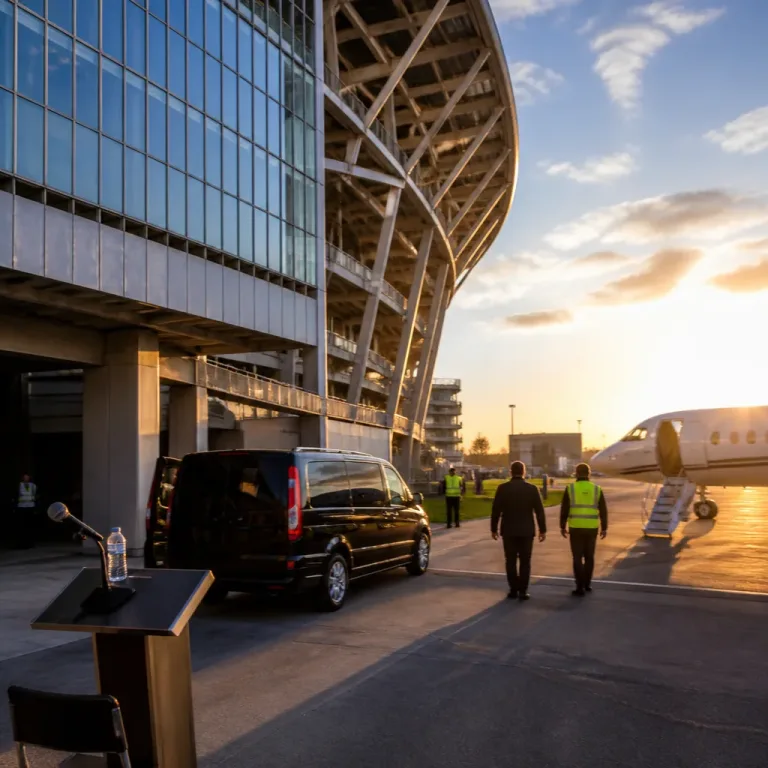
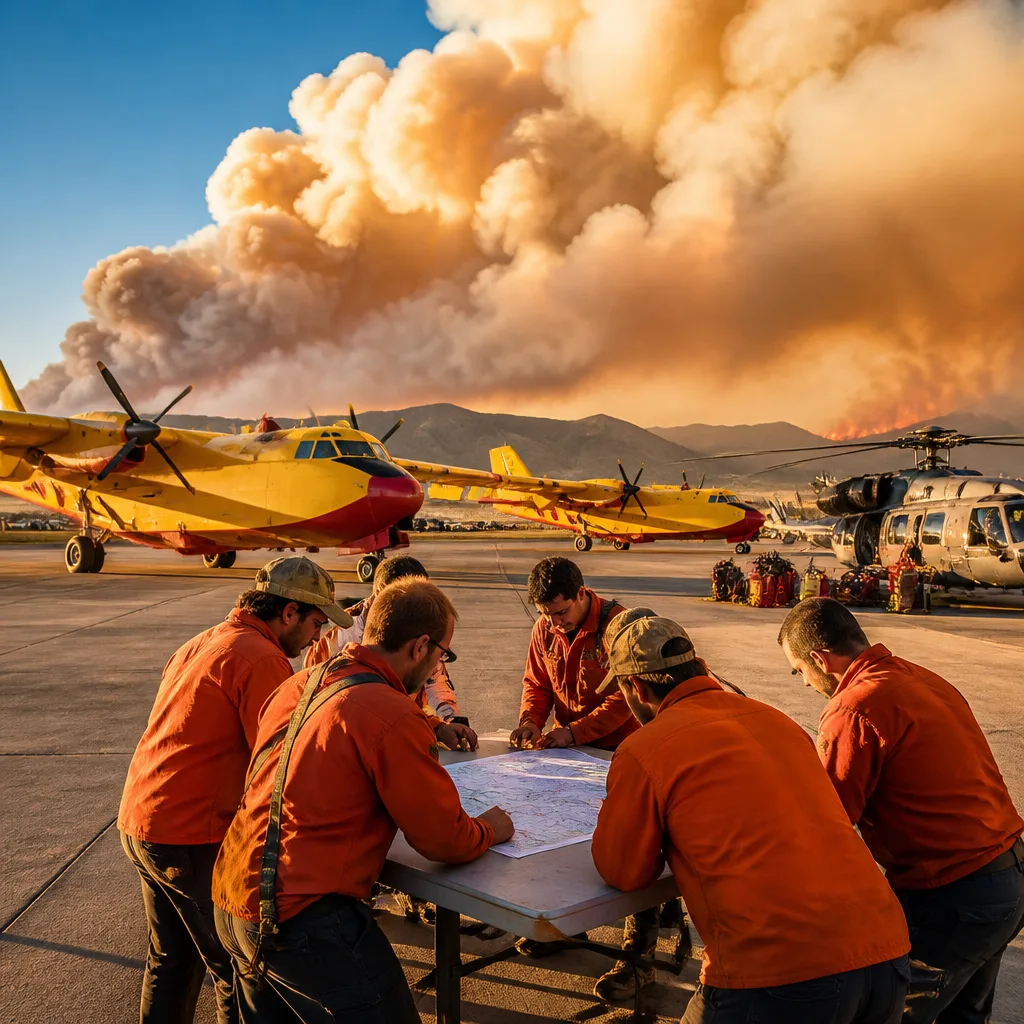
Wildland firefighting has long operated on a model of sharing: when one country faces a large season, others send aircraft, engines and crews. Recent responses mentioned in reporting include the European Union coordinating aircraft and firefighters across several member states for blazes in France and Spain, while the Pacific North‑west received assistance from Australia and New Zealand. But the current season has seen multiple major fires erupt simultaneously in jurisdictions that traditionally send help to one another, exposing limits in the supply of trained crews and specialised aircraft.
“There’s more international cooperation happening, but it’s a double‑edged sword because there’s more competition,”
said Cordy Tymstra, a wildfire scientist and consultant in Canada.
Scale and trends
Researchers and fire scientists point to several stark trends:
- Area burned has increased sharply: Wildfires now burn more than twice as much area annually as they did 20 years ago, according to data from the University of Maryland.
- Recent years are among the worst on record: Four of the five worst wildfire years this century have occurred since 2021, and last year was Europe’s most destructive season on record.
- 2026 is surging ahead: So far this year, 31% more area has burned in Europe than during the same period in 2025.
- North American totals are high: Across the United States about 5.7 million acres have burned so far this year — roughly 2.3 million hectares — a figure that already exceeds the total burned area in the US for all of 2025.
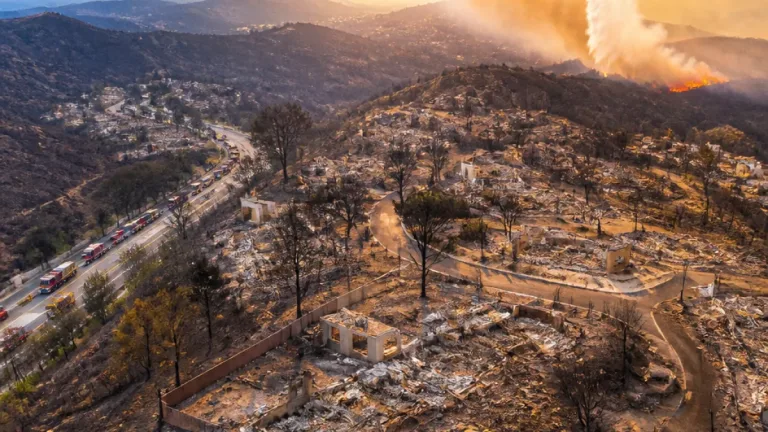
The human toll is mounting. Large evacuations have been required in parts of Europe, described as among the largest on the continent since the Second World War. In the US, fires around Spokane have destroyed hundreds of homes and prompted descriptions comparing the scene to a "war zone".
| Region | Recent note |
|---|---|
| Europe | 31% more area burned so far in 2026 vs same period in 2025; large evacuations |
| United States | About 5.7 million acres (≈2.3 million ha) burned so far in 2026; already above 2025 total |
| Canada | Second‑worst season last year, trailing 2023 |
Capacity gap and health implications
Experts caution that reliance on international sharing has masked a longer‑term shortfall in firefighting capacity. Tymstra and others argue that while mutual aid has helped countries cope with extreme seasons over the past two decades, the global pool of specialised resources has not grown fast enough to match rising demand.
Compounding the emergency response challenge are emerging public‑health findings. New research cited in reporting suggests reductions in pollution from vehicles, power plants and factories are being offset by increased wildfire smoke, and that smoke exposure may now constitute a larger health threat to infants than other common pollution sources. That raises concerns for maternal and child health services, air‑quality advisories, and hospitals during prolonged smoke episodes.
Policy consequences being discussed by governments and fire agencies include boosting domestic investment in aerial firefighting fleets, expanding training pipelines for wildland crews, strengthening regional mutual‑aid agreements with clearer prioritisation rules, and investing in prevention and landscape management to reduce fuel loads.
For countries such as South Africa, the unfolding international picture emphasises the need to reassess preparedness and co‑operation frameworks before the next peak season. As fires become more frequent and simultaneous around the globe, the era when nations could reliably count on neighbours to supply substantial crews and aircraft whenever needed may be coming to an end — unless capacity is rapidly scaled up.