England will permit pupils to study a set of new, nationally regulated vocational GCSEs alongside core subjects such as English, maths and the sciences, the government announced on Tuesday. The courses are intended to run over two years in year 10 and year 11 and will be regulated by Ofqual to the same standards as academic GCSEs.
What the change will look like
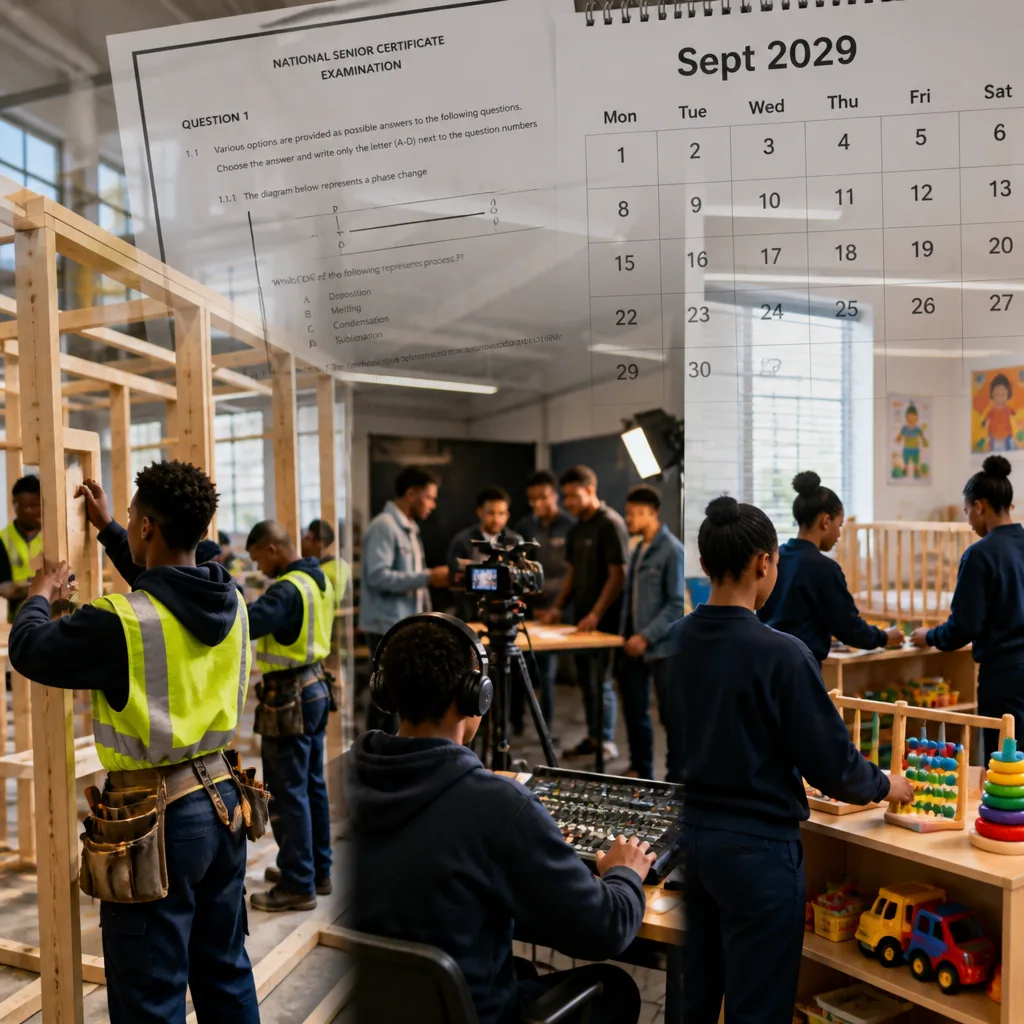
The Department for Education says the new vocational GCSEs will provide statutory content, grading and assessment and will be offered from September 2029, although ministers have signalled a wish to accelerate the rollout if possible. Examples cited include courses in construction, creative media production and child development.
- Duration: two-year courses, taken in year 10 and 11
- Regulation: nationally set content and assessment; Ofqual oversight
- Subjects highlighted: construction, creative media production, child development
The change forms part of a wider shift described by ministers as an attempt to end what they call a "one-size-fits-all" approach to secondary education and to give greater parity of esteem to technical and vocational routes.
“That one-size-fits-all approach isn’t working, so we’re building an education system that values both academic and technical paths,” the prime minister said.
Political framing and aims
The reforms were presented as a response to youth unemployment and disengagement: government sources linked the new qualifications to efforts to improve the prospects of young people who are currently out of work or training. The education secretary, Lucy Powell, said consultations with young people, parents and employers showed demand for more practical courses that connect schooling to workplace skills.
Powell argued the move is not intended to create separate tracks for different types of pupils but to ensure every young person can choose academic or technical options while maintaining consistent standards across the system.
Context and implications
This represents the most significant change to the GCSE suite in over a decade. If implemented as described, the reforms will require schools to adapt timetables, teacher training and assessment arrangements to accommodate new course options. They will also raise questions about resourcing and partnerships with industry, particularly for practical subjects such as construction.
Ministers say schools may be given the option to introduce vocational GCSEs earlier than the national start date. That flexibility could widen take-up rapidly in some areas while others delay, potentially creating a staggered national picture during the transition.
| Item | Detail |
|---|---|
| Proposed start | September 2029 (option for earlier local adoption) |
| Regulator | Ofqual |
| Course length | Two years (years 10–11) |
Officials and commentators will be watching how quickly schools can deliver new vocational provision at the quality expected of GCSEs. Practical implementation issues include developing nationally consistent assessment frameworks, ensuring teacher capacity in vocational subjects and arranging links with employers for hands-on learning.
For countries watching England’s move, the policy raises familiar questions: how to balance academic and technical learning, how to avoid creating second-class routes, and how to resource practical courses so they deliver real labour-market value. The government’s emphasis on national standards and Ofqual regulation is designed to address concerns about parity of esteem between routes, but success will depend on implementation at school level and on employer engagement.
The announcement follows broader political debate about post-16 options and routes into work, and ministers say the changes are aimed at giving more young people a clearer connection between education and careers while preserving the rigour associated with GCSE qualifications.