Basic Education Minister Siviwe Gwarube has reiterated that ensuring every child has access to quality education is the central objective of the Department of Basic Education as the country marks Women’s Month.
From rural roots to the Cabinet
In an interview published to mark Women’s Month, Gwarube reflected on growing up in KwaMdingi in the Eastern Cape and being raised by her grandmother, who was a teacher. She described that upbringing as formative, saying she would not have reached her current position without the quality education her grandmother helped provide.
“I have no doubt in my mind that I would not be where I am today if it were not for the quality education that my grandmother worked incredibly hard to give me,”
The minister’s account places personal experience at the centre of her policy reasoning. According to the profile, she is South Africa’s youngest Cabinet minister and is nearly two years into leading the national department responsible for basic schooling.
Policy focus: access and foundational learning
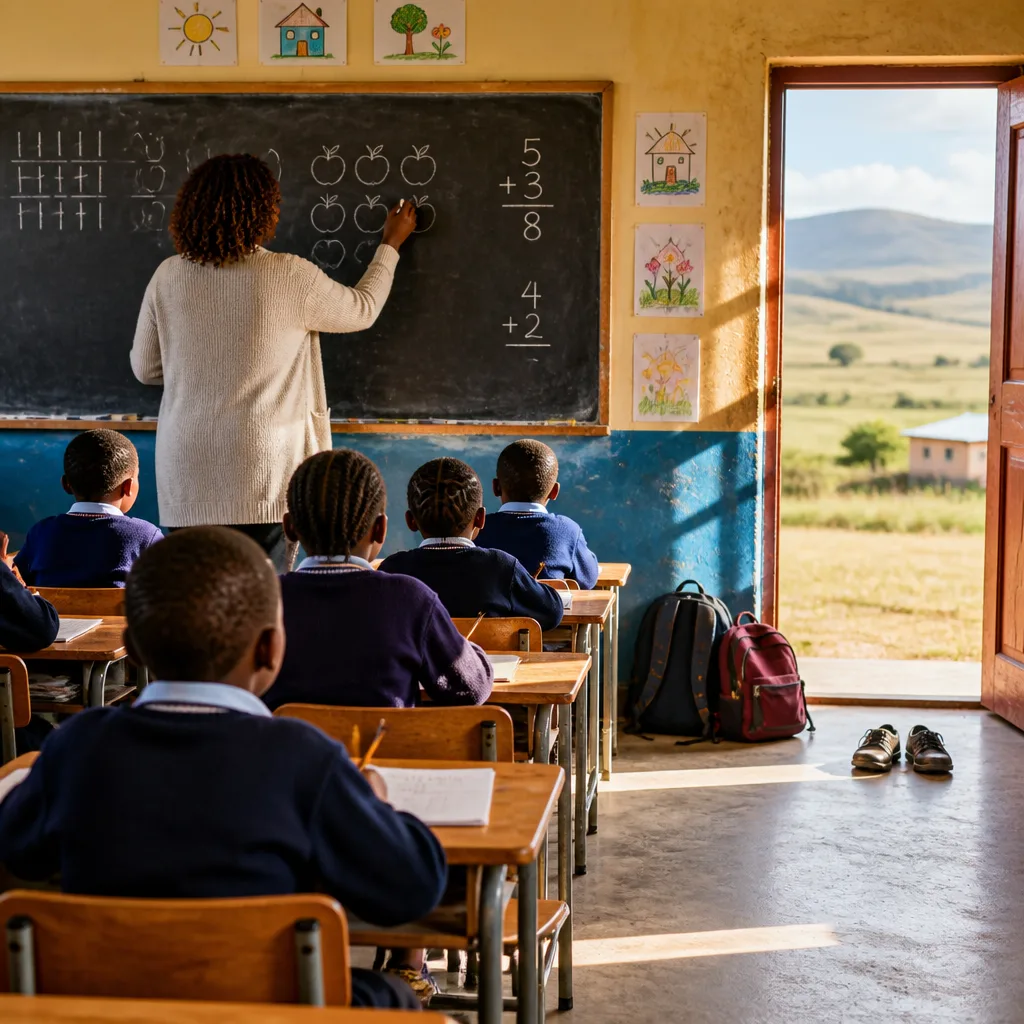
Gwarube told the interviewer that improving foundational literacy and numeracy remains among the department’s key priorities. She framed this work as vital to giving every child, regardless of their place of birth, a chance to succeed.
- Access to quality education: a stated core goal guiding departmental decisions.
- Foundational literacy and numeracy: explicitly named as a priority area for intervention.
- Leadership rooted in experience: the minister attributes her policy outlook to her upbringing and family background in teaching.
The published material also notes that Gwarube began a Master of Development Policy and Practice at the start of 2024, while serving as the Chief Whip of the Official Opposition, indicating an ongoing engagement with academic study alongside public office.
Implications and context
Gwarube’s emphasis on foundational skills aligns with national and international evidence that early literacy and numeracy underpin later learner outcomes. By foregrounding access and foundational learning, the department signals continued attention to basic schooling metrics that affect progression, retention and the labour-market readiness of young people.
The minister’s personal narrative — a rural childhood shaped by a teacher-grandmother — is presented as both testimony and rationale for policy priorities. Framing education as a pathway out of poverty is a well-established political argument; in this case the minister uses her biography to underline the practical consequences of schooling policy for families and communities.
Public attention during Women’s Month may amplify these policy pronouncements. How the department translates stated priorities into budgets, curricula, teacher development and targeted interventions in underperforming provinces will determine whether the minister’s objectives produce measurable change in classroom outcomes.
| Item | Noted detail |
|---|---|
| Background | Raised in KwaMdingi, Eastern Cape; grandmother was a teacher |
| Position | Youngest Cabinet minister; nearly two years as Minister of Basic Education |
| Priorities | Access to quality education; foundational literacy and numeracy |
| Study | Started Master of Development Policy and Practice in 2024 |
Observers monitoring the Basic Education portfolio will watch for specific operational commitments — such as how resources are allocated to early grades, teacher training plans and measurable targets for literacy and numeracy improvement. The minister’s statement provides a policy direction; implementation details remain the decisive test of impact on learners across provinces.
The profile positions Gwarube’s leadership as purposeful and shaped by lived experience. Whether that translation into policy delivers improved outcomes at scale will be a central question for the department and for provincial education authorities in the year ahead.