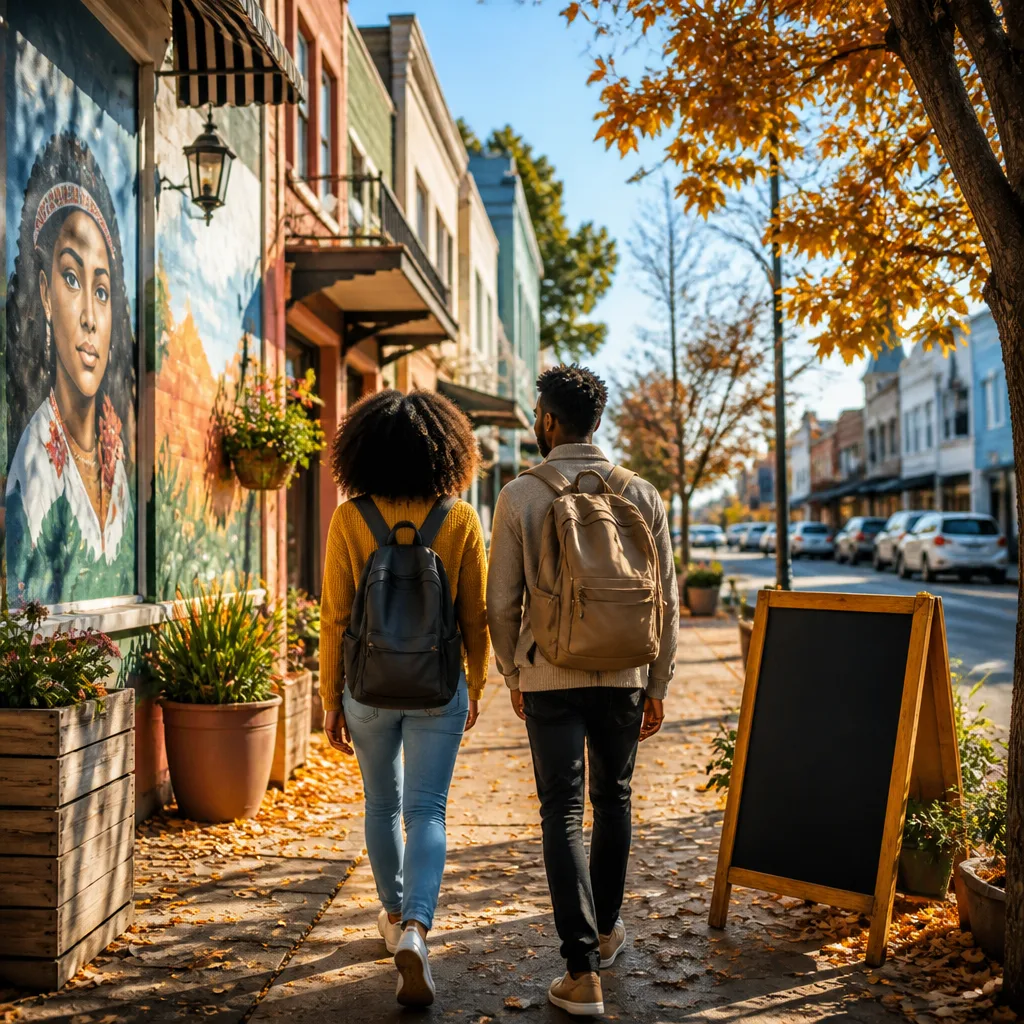
Lore‑tripping — a taste for under‑the‑radar towns with quirky backstories — is emerging as a defining travel habit for younger travellers this fall, according to an Airbnb analysis. Rather than chasing the usual city highlights or the most photographed landmarks, many Gen Z travellers are choosing small towns where they can get more local colour, cheaper stays and unusual attractions.
What lore‑tripping means
At its simplest, lore‑tripping is about seeking destinations with memorable histories, local legends or distinctive personalities rather than visiting traditional urban hotspots. The trend prioritises off‑beat itineraries and smaller communities, often trading scale for authenticity.
“Lore‑tripping is all about prioritising small‑town travel over major cities and traditional hotspots.”
Airbnb’s research suggests this behaviour is especially strong among Gen Z: nearly half of that generation’s trending fall destinations are small towns. The platform also flagged notable year‑on‑year increases in searches for particular southern US towns — for example, searches for Hot Springs, Arkansas are up 30%, while searches for Helen, Georgia have risen by 15%.
Why travellers are choosing small towns
The reasons named by Airbnb and reflected in recent travel commentary are practical as well as experiential. Three themes stand out:
- Value for money: Smaller towns often deliver cheaper accommodation and food, stretching travel budgets further.
- Local authenticity: Travellers can more easily access community‑run businesses, local guides and unique cultural sites.
- Distinctive attractions: Lesser‑known places may offer curious museums, historic oddities or natural features not found in major cities.
Where people are going — and why it matters
Examples cited in the reporting include destinations as different as Louisville, Kentucky and Madison, Wisconsin — places that can surprise with memorable experiences outside the mainstream itinerary. The increases in search interest for towns such as Hot Springs and Helen point to a pattern: interest may be sparked by a town’s backstory, a seasonal event, or simply the appeal of a quieter, more localised stay.
| Town | Reported change in searches |
|---|---|
| Hot Springs, Arkansas | +30% |
| Helen, Georgia | +15% |
For small communities, even modest upticks in visitors can have tangible effects on local businesses and short‑term rental markets. While increased tourism can boost cafes, craftspeople and guides, it also raises familiar concerns about capacity, housing affordability and the need for sustainable visitor management.
Practical tips for would‑be lore‑trippers
Travelers curious to try this approach should think beyond the Instagram shot and plan for a more local rhythm. Useful steps include:
- Research local events and seasonal highlights that might shape your visit.
- Book accommodation and attractions in advance — smaller towns have fewer options and they can fill quickly.
- Support locally owned businesses and ask residents for recommendations rather than relying solely on mainstream guidebooks.
For South African travellers, the ethos of lore‑tripping can be applied closer to home: seeking out lesser‑known Karoo villages, coastal towns outside the usual tourist strips, or rural routes with strong local character offers similar chances to connect with people and place while stretching holiday budgets.
As travel patterns shift from the city centre to the small town, hosts, local authorities and tourism bodies will need to balance the economic benefits with planning for longer‑term sustainability. For travellers, lore‑tripping promises experiences that are more intimate and often more affordable — just be prepared to travel at the local pace.