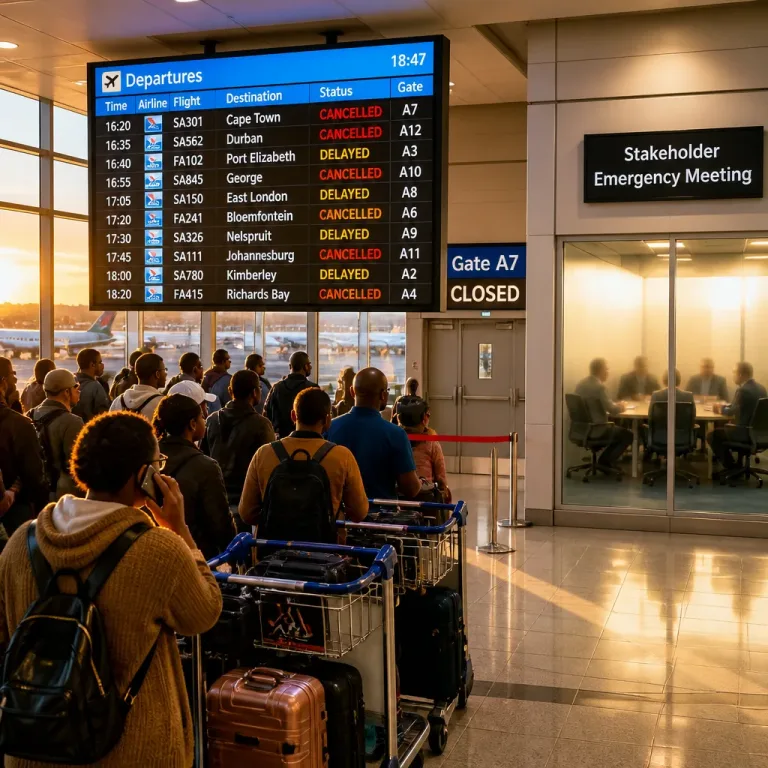
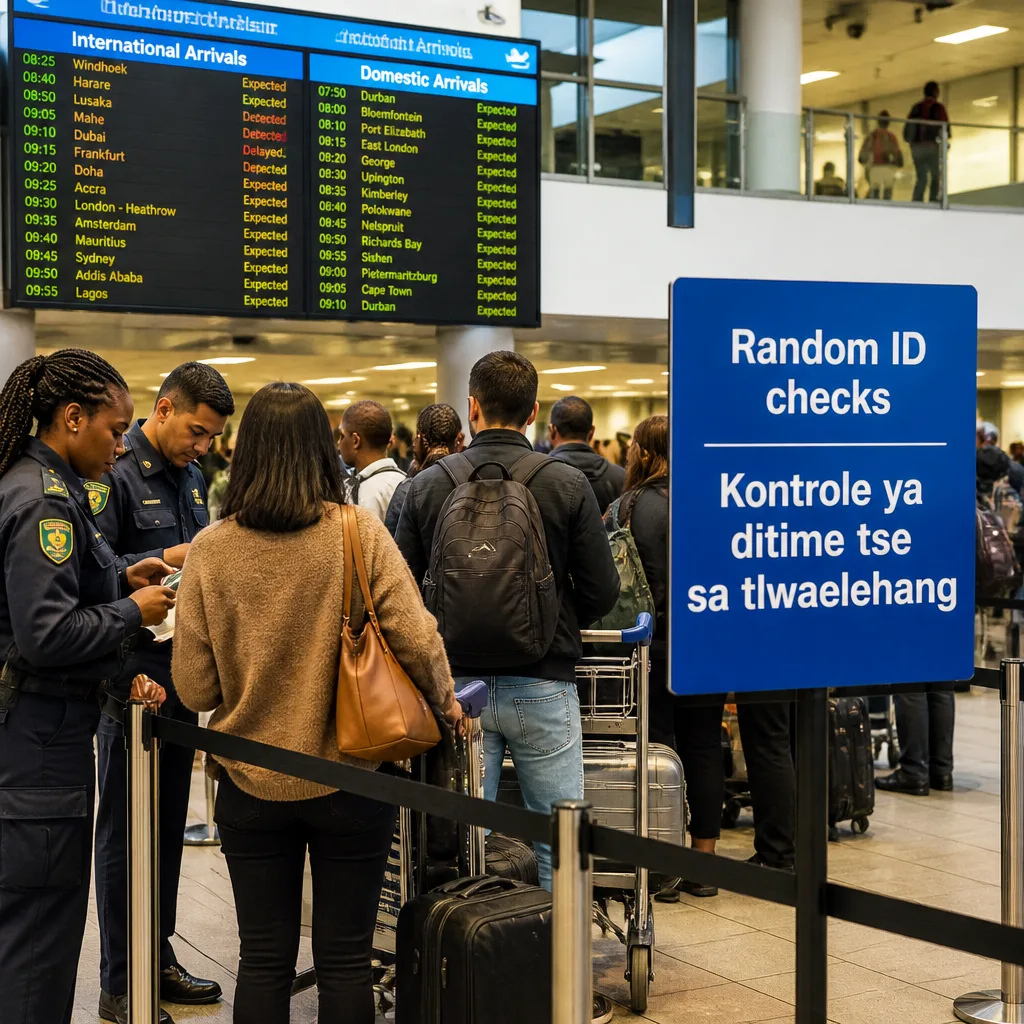
Spain announced it will introduce random identity and documentation checks on travellers arriving from Italy, a step Madrid says is aimed at curbing what it called the "persistent pressure of irregular migration" affecting parts of its territory.
New checks at ports and airports
According to a decree reported by Spanish state broadcaster RTVE, the measures begin from midnight on Saturday and will apply initially until 7 September. The checks will be conducted at ports and airports and will focus on verifying the identity and nationality of travellers. For third‑country nationals, officials will also check whether they hold a valid visa or residence permit.
The move follows a row between Madrid and Rome over border controls introduced by Italy last weekend. Spain had given Italy an ultimatum to lift those checks and warned it would take reciprocal action if Rome did not comply. RTVE reported that the Madrid government issued the decree in response to Italy’s refusal to remove its checks.
“[Italian Prime Minister Giorgia Meloni] made it clear that she would not bow to any ultimatum,”
The dispute is linked to a recent surge of migrants into the Spanish North African exclave of Ceuta. Spanish authorities say that mass crossings from Morocco into Ceuta prompted Italy to impose border checks last Saturday; Madrid responded by threatening countermeasures if those measures remained in place.
What travellers should expect
The announced checks are described as random, but travellers between Italy and Spain should prepare for possible delays and additional document requirements at departure and arrival points. Specifically, officials will:
- verify the identity and nationality of travellers;
- confirm visas or residence permits for non‑EU nationals;
- conduct checks at both ports and airports rather than solely at land borders.
Authorities did not indicate whether checks would be concentrated on particular routes or carriers, nor did the decree, as reported, specify immediate penalties or longer‑term plans beyond the initial period to 7 September.
Diplomatic backdrop and possible consequences
The measure marks an escalation in a diplomatic standoff between two EU governments over migration policy and border management. Spain characterised the change as a response to "persistent pressure" linked to irregular migration flows, while Italian leaders have maintained restrictions they say are necessary to manage migration and security concerns.
Practical implications of reciprocal checks typically include longer processing times at checkpoints and greater scrutiny for non‑EU nationals. For businesses and leisure travellers, the prospect of checks at ports and airports can disrupt travel schedules and increase the need to carry supporting documents.
| Action | Details |
|---|---|
| Start date | Midnight on Saturday (as reported) |
| End date (initial) | 7 September |
| Where | Ports and airports |
| Purpose | Verify identity, nationality; check visas/residence permits for third‑country nationals |
How long the measures will remain in place beyond the initial window will depend on diplomatic developments between Madrid and Rome and on migration patterns affecting Ceuta and other Spanish territories.
Travellers planning journeys between Italy and Spain should monitor official government channels and airline or ferry operator notices for updates. Carrying proof of identity and, where applicable, evidence of legal residence or a valid visa will help avoid delays if selected for inspection.
RTVE is the primary outlet cited for the decree; the situation may evolve as both governments continue to discuss the issue.