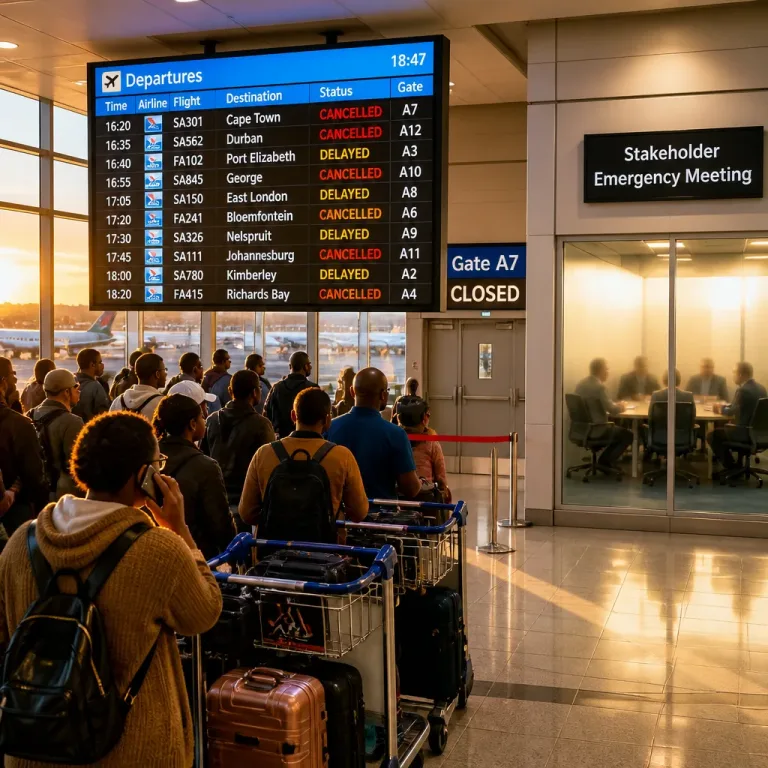
Extreme weather is changing when and where people travel, with holidaymakers increasingly avoiding traditional peak-summer destinations and booking trips in cooler months or to northern climates. Industry reports show a clear drift away from classic Mediterranean summer breaks as heatwaves, wildfires and the health risks linked to high temperatures alter travel decisions.
Heat drives a move to "coolcationing" and shoulder seasons
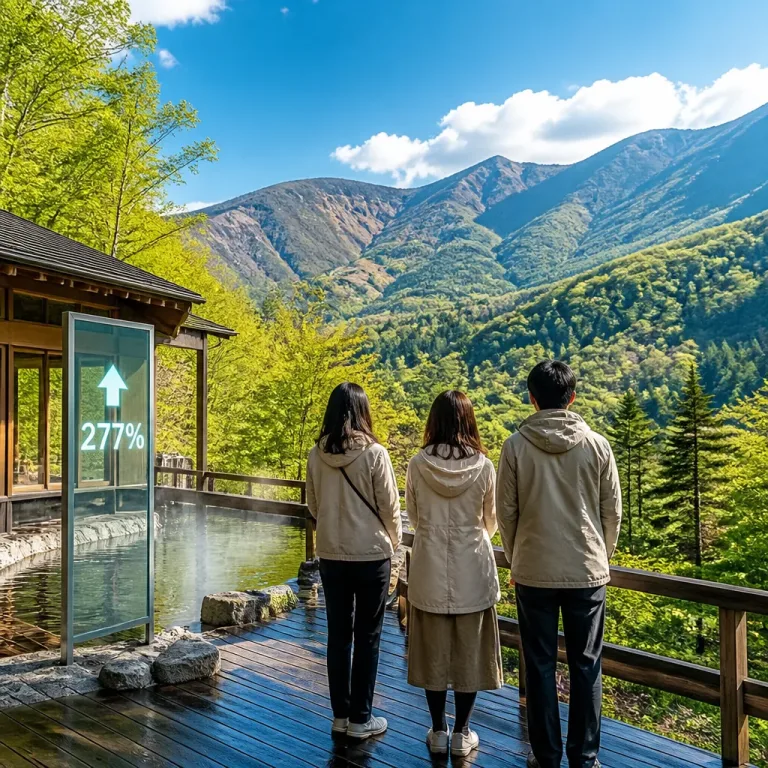
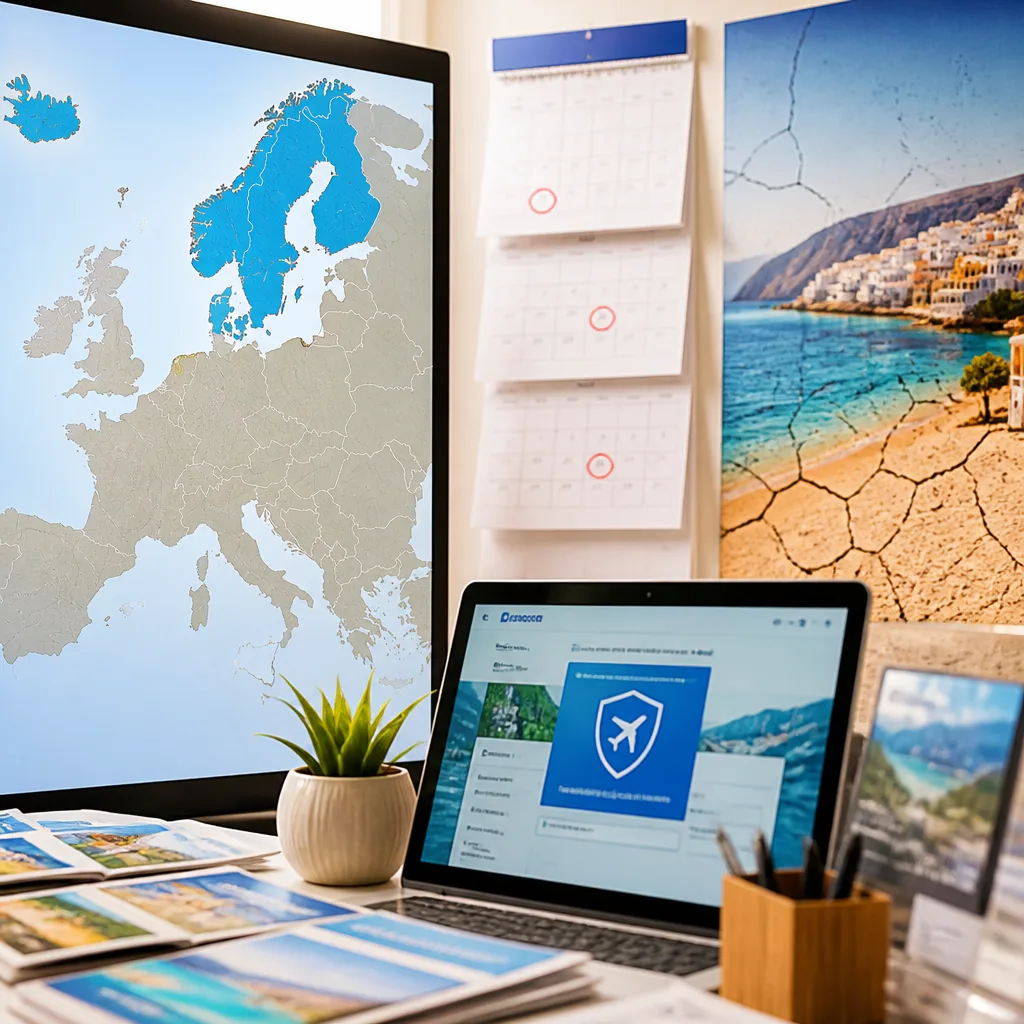
Travellers are responding to persistent high summer temperatures by choosing destinations with milder climates or by shifting the timing of their trips. The European Travel Commission reported in 2023 that popularity for Mediterranean destinations fell by 10% during peak summer months, a decline linked to worries about extreme heat. As a result, holidaymakers are booking more trips to cooler countries such as Norway, Sweden and Scotland — a trend the industry calls "coolcationing".
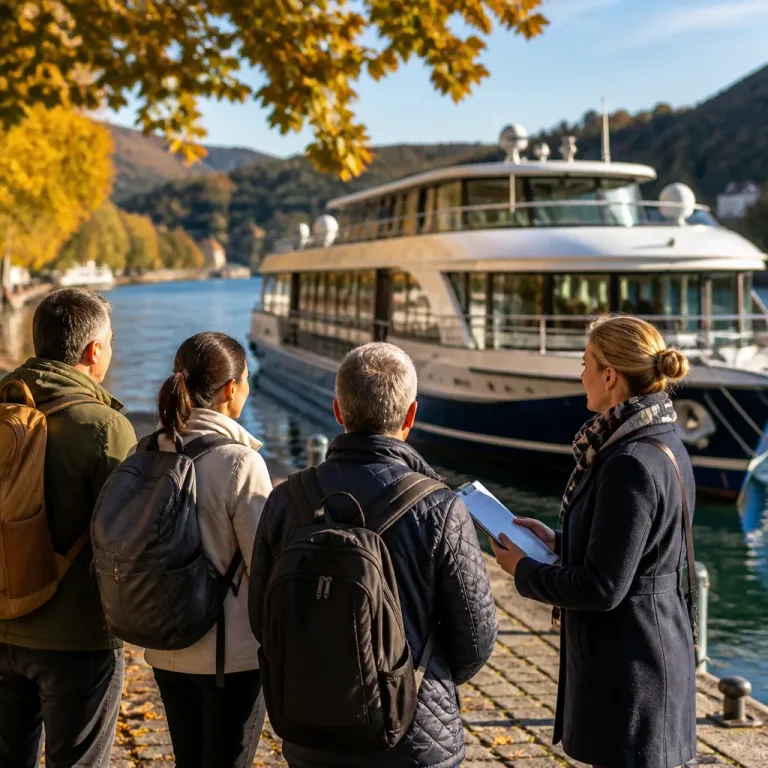
Instead of the traditional July and August peak, many tourists now travel in the shoulder months of April, May and September. Data from travel analytics firm ForwardKeys shows an uptick in autumn ticket bookings for Southern Europe, as travellers try to avoid the worst heat and the secondary risks it brings, such as wildfires and sudden evacuations.
- Health concerns: High temperatures increase the risk of heatstroke and make outdoor activities less comfortable for families and older travellers.
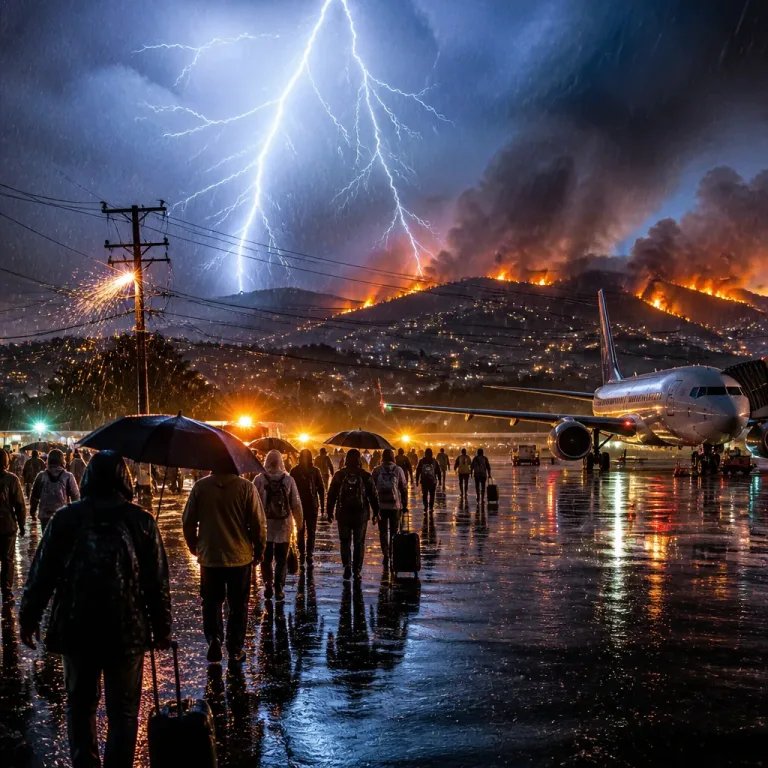
- Safety risks: Heat-driven wildfires have forced thousands of tourists to evacuate resort towns in recent seasons.
- Timing changes: More bookings are moving to spring and autumn shoulder months to avoid peak-heat periods.
Costs, insurance and practical consequences for travellers
These behavioural shifts have a direct effect on holiday budgets and planning. Off-peak and shoulder-season travel can produce savings on fares and accommodation, but it may also change what services are available at a destination. Meanwhile, the increasing frequency of disruptive weather events is pushing demand for more comprehensive travel insurance, with travellers seeking cover for cancellations, medical emergencies related to heat and evacuation costs from fires or storms.
For South African travellers, the implications are practical: consider the timing of school holidays, the availability of flights and seasonal price fluctuations. Booking earlier for shoulder seasons can secure better rates, but so can being flexible about destination choice and travel dates.
| Trend | Cause | Traveller response |
|---|---|---|
| Decline in Mediterranean summer bookings | Extreme heat and wildfires | Travel to cooler countries; move to shoulder seasons |
| Rise in autumn bookings for Southern Europe | Avoidance of summer heatwaves | Book in April, May, September |
For budget-conscious travellers, the most immediate considerations are flight and accommodation pricing, potential extra costs for travel insurance, and the likelihood of limited local services outside high season. Those willing to travel in the shoulder months may find better value, but should factor in lower tourist infrastructure in some locations.
How to plan smarter holidays
Practical steps for South Africans planning holidays in an era of more volatile weather include:
- Research seasonal climate trends at your destination rather than assuming traditional peak months are ideal.
- Compare insurance policies for cover that includes weather-related cancellation and evacuation.
- Consider alternative destinations with milder climates during summer peaks — particularly in northern Europe.
- Book refundable or flexible tickets when possible and check local emergency plans at your destination.
"Tourists are now actively abandoning traditional hotspots during peak months as extreme weather events become more frequent," the reporting noted.
As climate-related disruptions become more common, holiday planning increasingly requires the same attention people give to passports and budgets. Shifting dates, destinations and insurance choices can protect both your holiday experience and your wallet.