Abdelkader Taleb Omar, Sahrawi Minister of Education and Vocational Training, said on 11 September 2026 that preparations are proceeding at pace to ensure a well‑organised start to the upcoming academic year.
Wide-ranging preparations aimed at a smooth opening
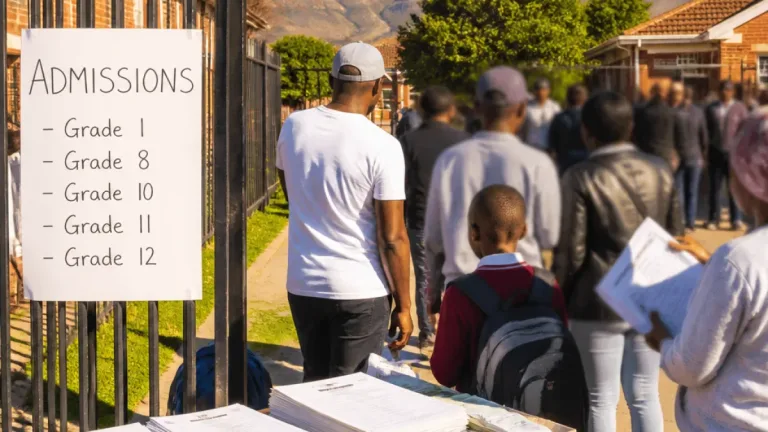
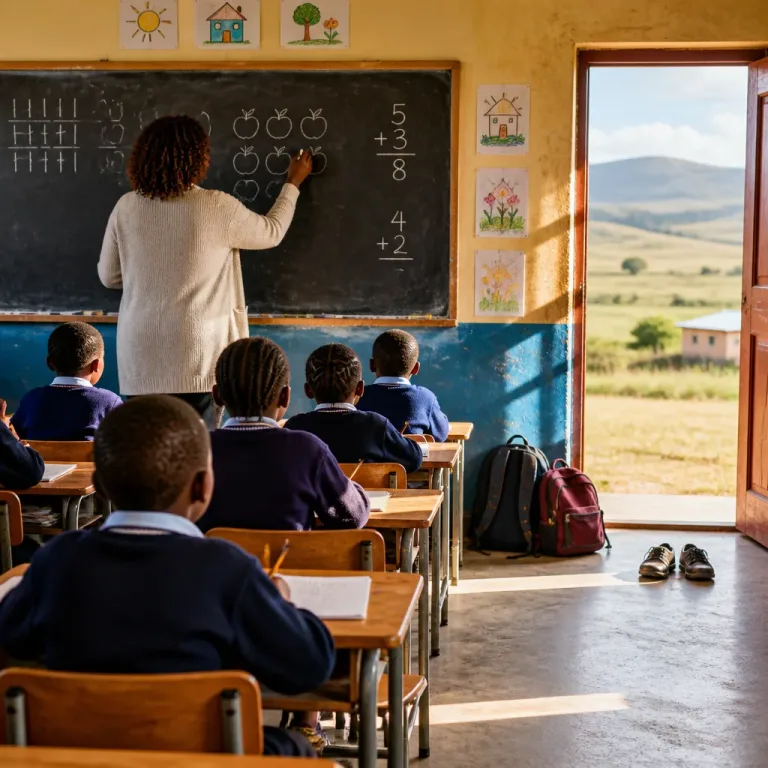
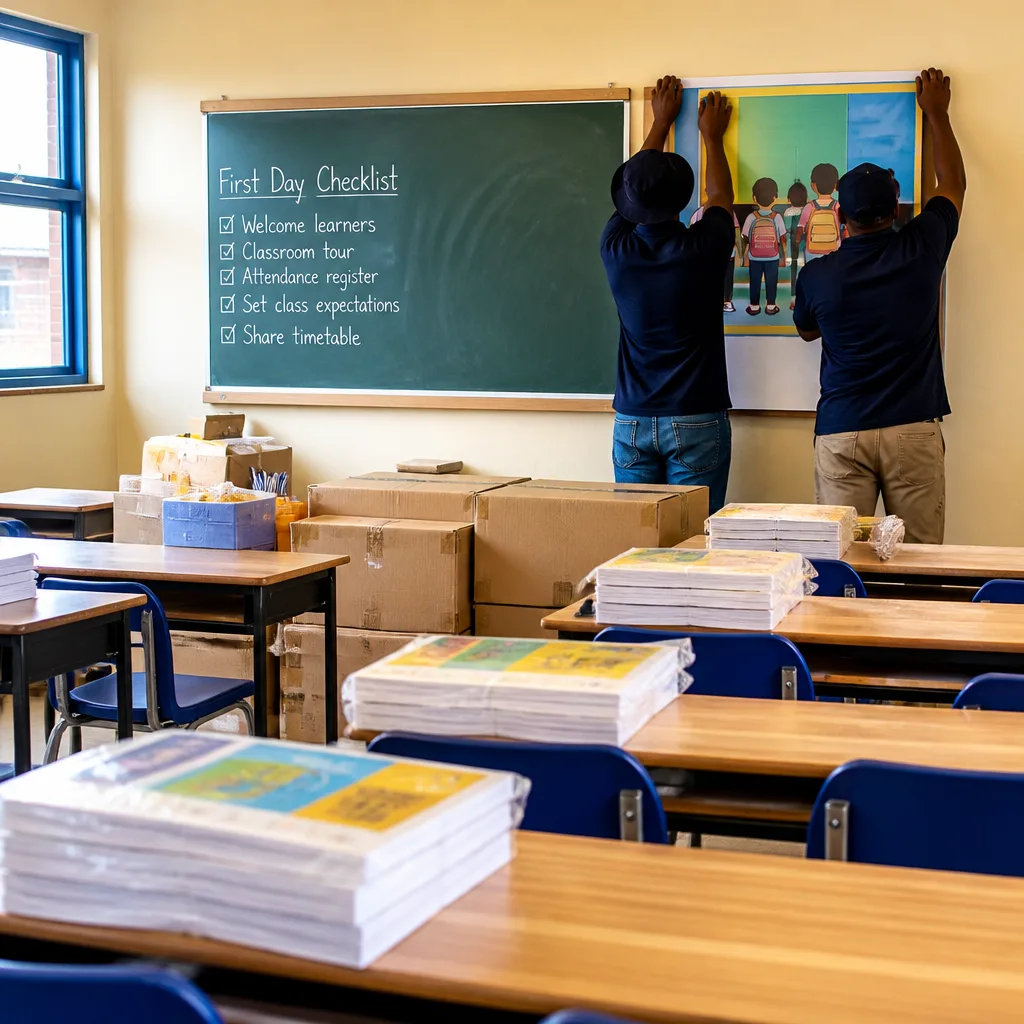
In an interview with the Sahrawi Press Service (SPS), the minister outlined a set of measures intended to create suitable conditions for students and staff when schools open. He said work is under way to prepare educational institutions, supply learning materials and strengthen educational and pedagogical supervision.
The minister presented the preparations as part of a broader effort to raise the quality of both schooling and vocational training. According to the SPS report, the plans include new programmes to develop the education system, actions to improve academic outcomes and steps to enhance the physical and pedagogical conditions in schools.
Omar also emphasised the role of schools in fostering a generation committed to national identity. He described coordination between the education sector and its partners as essential to delivering an appropriate learning environment and achieving the objectives set for the year.
- Facilities: preparation of educational institutions for the new year.
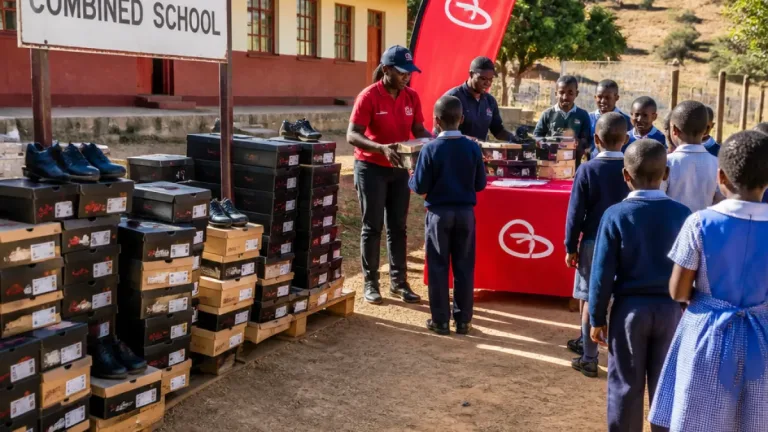
- Resources: provision of educational materials and supplies.
- Quality assurance: arrangements for pedagogical supervision.
Policy direction and stated priorities
The SPS account says the minister reviewed the main features of the coming academic year and described planned programmes to strengthen the sector. He framed these measures around three priorities: improving academic achievement, enhancing schooling conditions and reinforcing the civic and national role of schools.
Details of the interview are to be published by SPS in full, the report said. The account notes that the interview covered the current situation and prospects for education and vocational training, as well as the principal challenges and stakes for the year ahead.
While the minister’s statements set out intentions and strategic priorities, the SPS summary does not provide timelines, specific budget figures, or operational details such as the number of schools affected or how pedagogical supervision will be expanded.
| Aspect | Focus described by minister |
|---|---|
| Institutional readiness | Preparing schools to welcome students |
| Learning resources | Providing educational materials and supplies |
| Supervision and quality | Strengthening pedagogical oversight |
| System development | Programmes to improve education and vocational training |
The minister’s framing links practical preparations to longer‑term system development. For education observers, the combination of logistical readiness and supervisory reform is a familiar approach: resourcing classrooms and sharpening oversight are both necessary to influence learning outcomes, but neither guarantees them without clear implementation plans and measurable targets.
The SPS piece flags coordination with partners as central to delivering the intended environment. That raises familiar operational questions: which partners will be mobilised, what responsibilities they will assume, and how progress will be monitored. The SPS summary does not specify whether external donors, community groups, teacher unions or international agencies are named among those partners.
For now, the minister’s remarks provide a public assurance that the education ministry is mobilising for the school year. The full interview, to be published by SPS, is expected to contain further detail on how the stated priorities will be translated into classroom‑level change.