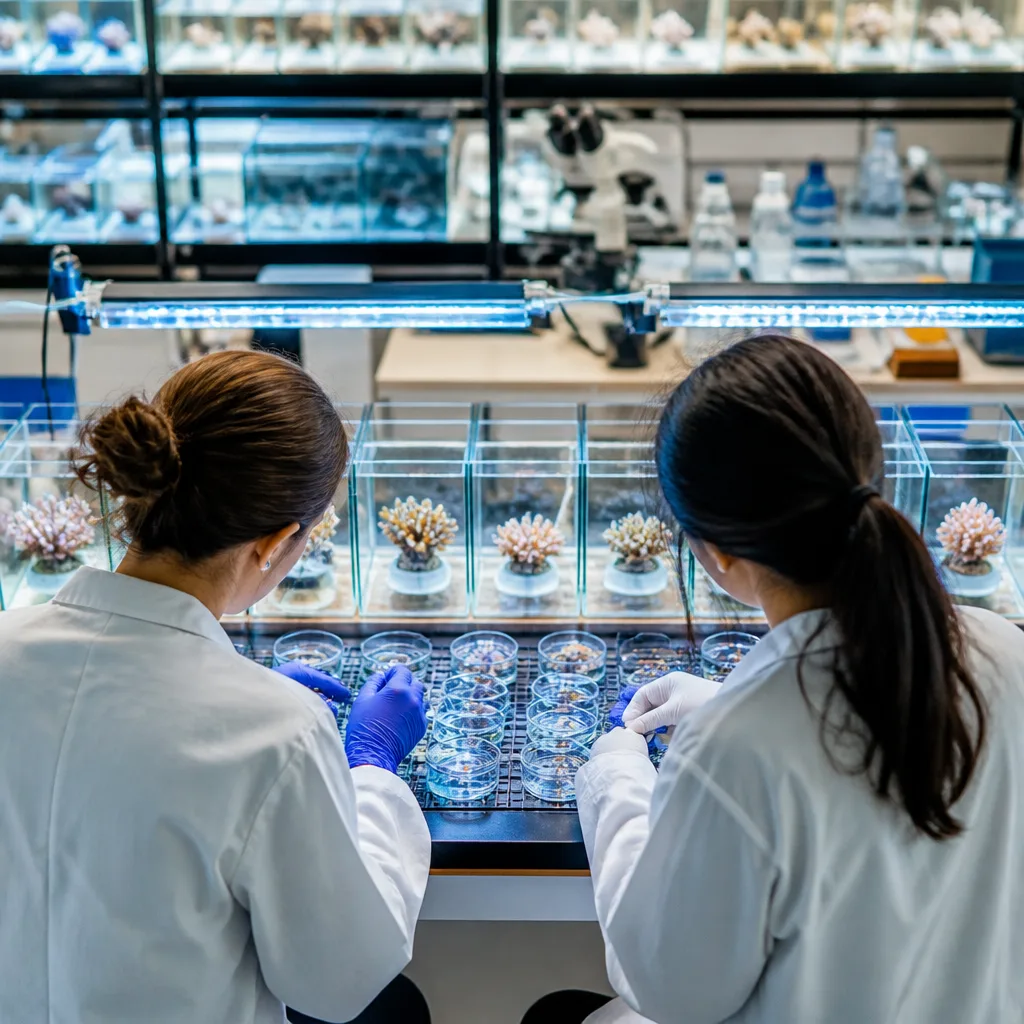
Scientists at King Abdullah University of Science and Technology (KAUST) report evidence that corals can be conditioned to better resist disease before outbreaks occur, a development that could have implications for reef restoration and disease management worldwide.
What the study found
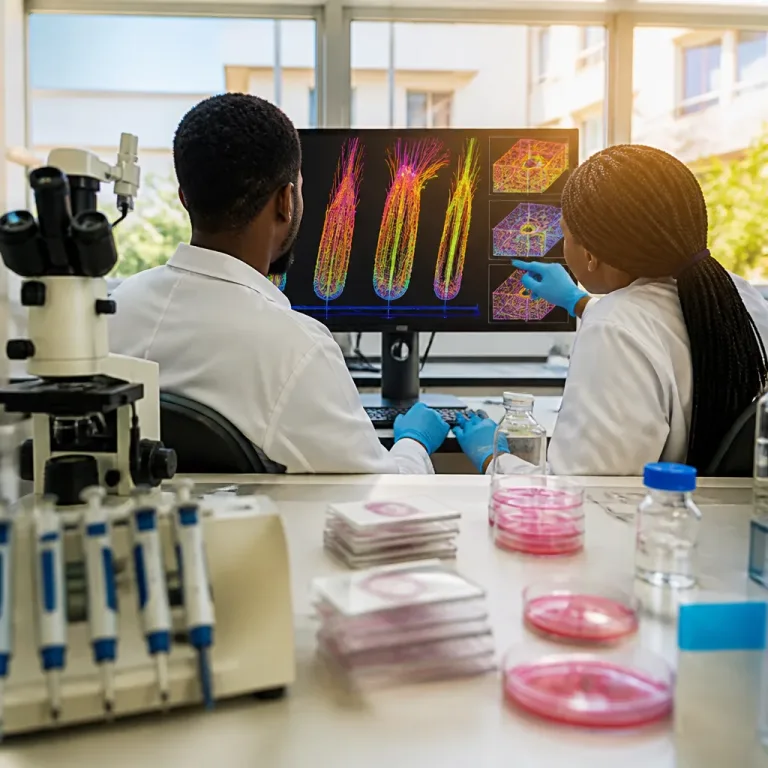
The research, published in the journal ISME Host & Microbe, showed that corals exposed to sub‑lethal doses or inactive forms of a disease‑causing pathogen were more resistant when they encountered the same pathogen again. The team describes the process as pathogen priming, a phenomenon analogous in concept to how vaccines prepare vertebrate immune systems, although corals lack the adaptive immunity seen in humans and other vertebrates.
"What surprised us was finding that corals exposed to a pathogen were significantly better able to respond when they encountered the same disease agent again," said Professor Raquel Peixoto, a KAUST marine scientist and the study's senior author.
The study also found that the protective effect was linked not only to changes in the coral host but also to shifts in its microbiome — the community of microorganisms that live with and support coral health. According to the researchers, both host and microbial changes contributed to the enhanced resistance observed on re‑exposure.
Why this matters
Coral disease is an increasing threat to reefs globally, particularly as warming oceans and other stressors make reefs more vulnerable to outbreaks. Disease can spread quickly across reef structures and can also affect coral nurseries used in restoration projects. If pathogen priming can be applied safely and effectively, restoration programmes may gain a new preventative tool to reduce losses from disease.
- Mechanism identified: pathogen priming produces an immune memory‑like response in corals, despite their lack of adaptive immune systems.
- Microbiome role: protective effects involve changes in the microbial community associated with corals.
- Next steps: the KAUST team is testing the approach across more coral species, different pathogens and varying environmental conditions.
Development and limitations
The KAUST researchers have filed a patent application related to the use of pathogen priming to increase coral disease resistance and are carrying out wider tests to assess applicability across species and environments. The study was conducted with corals from the Red Sea and the authors note that further research is required to determine how broadly the findings apply to coral species in other regions and under differing stressors.
Those steps are important because results observed in one reef system do not always translate unchanged to another. Environmental factors such as temperature, water quality and local microbial communities can modify both disease dynamics and host responses.
Potential implications for conservation practice
If subsequent trials confirm that pathogen priming is safe and effective across species and settings, the technique could be integrated into active restoration and nursery programmes. Possible uses might include pre‑conditioning nursery corals to better withstand disease before outplanting, or developing microbiome management strategies that support long‑term coral health.
However, the research team and independent experts caution against premature application at scale until ecological risks are fully assessed. Artificially manipulating host–microbiome relationships or exposing animals to pathogens, even in attenuated form, carries uncertainties that require careful study, monitoring and regulation.
| Detail | Information |
|---|---|
| Institution | King Abdullah University of Science and Technology (KAUST) |
| Journal | ISME Host & Microbe |
| Concept | Pathogen priming; immune memory‑like response in corals |
| Region tested | Red Sea |
The discovery contributes to a growing body of research recognising the importance of the coral microbiome in resilience and recovery. For countries with reef systems, including South Africa, methods that can reduce disease losses would be a welcome addition to conservation toolkits — provided they are validated across local species and environmental conditions.
For now, the KAUST findings offer a cautiously optimistic avenue for further research rather than an immediate, off‑the‑shelf solution for reefs under threat.