Canadian travel to the United States plunged in 2025, and the decline is not limited to holidaymakers. New data show substantial reductions in visits to major US cities, with business-related trips shrinking alongside tourist flows — a development that risks denting revenues for tourism-dependent destinations.
What the numbers say
Las Vegas, a city whose economy relies heavily on international tourism, recorded a fall from 1.4 million Canadian visitors in 2024 to just under 1.2 million in 2025 — a reduction of about 17.4%, according to figures from the Las Vegas Convention and Visitors Authority (LVCVA).
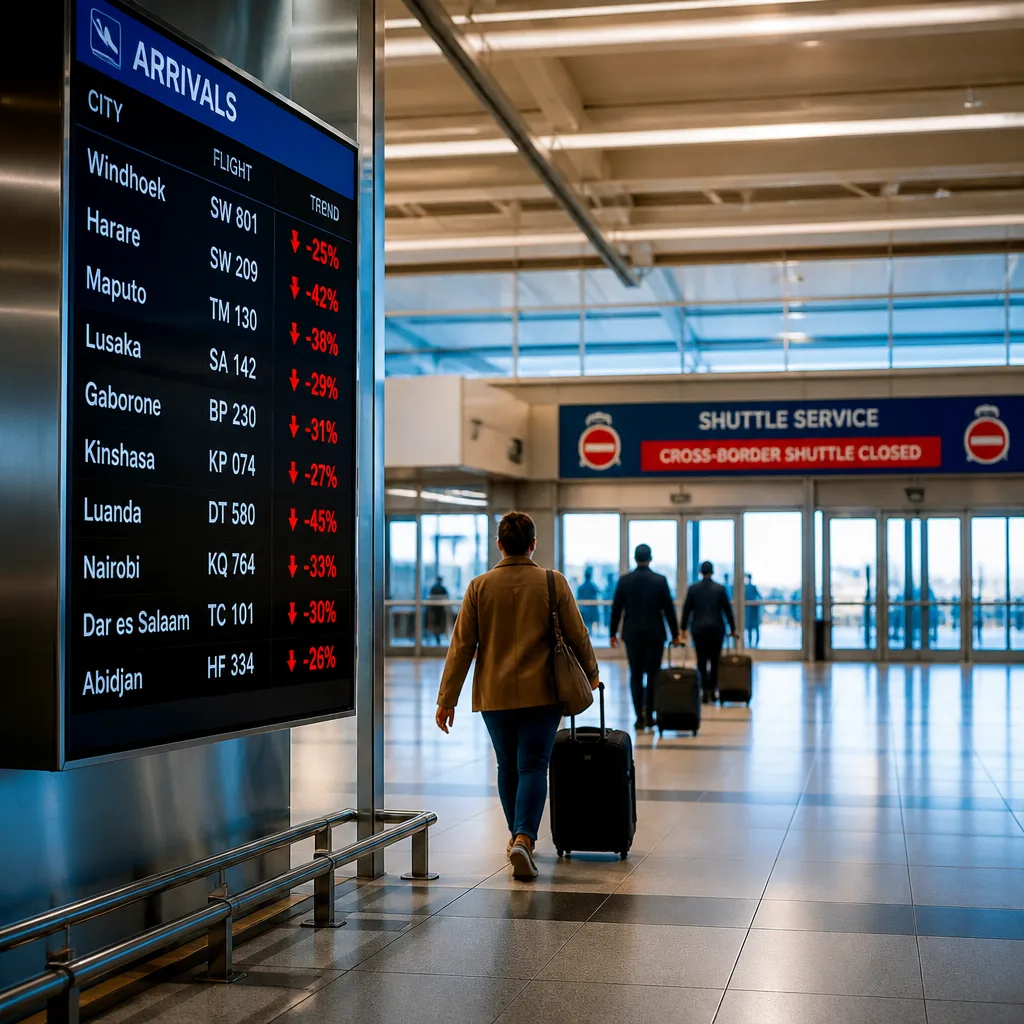
Broader government data cited by Fortune indicate an overall 25% drop in Canadian visits to the United States in 2025 compared with the previous year. A separate analysis of mobile phone activity by the University of Toronto’s School of Cities found a median year‑on‑year decline of 42% in Canadian visits to US metropolitan areas.
Those falls were particularly pronounced in cities with strong business ties to Canada. The University of Toronto analysis highlighted near‑halving of visits to some economic hubs: Dallas saw roughly a 50% decline while Grand Rapids, Michigan, recorded about a 53% fall.
| City | Reported change in Canadian visitors (2024 → 2025) |
|---|---|
| Las Vegas | -17.4% (1.4m → ~1.2m) |
| Dallas | ~ -50% |
| Grand Rapids | ~ -53% |
Beyond leisure: business travel is down, too
While declines in destinations such as Orlando and Las Vegas might be interpreted primarily as a tourism slowdown, the University of Toronto researchers emphasised that the fall is broader and includes trips linked to commerce and industry.
Canada’s corporate footprint in the US helps explain this. Financial institutions such as Royal Bank of Canada, Bank of Montreal and Canadian Imperial Bank of Commerce, together with Scotiabank’s regional presence in Dallas, mean that travel to certain American cities often reflects business activity, not just sightseeing.
“The story these numbers tell us is that it’s not just tourist travel — a lot of it is tourist travel — but there’s other travel that’s hurt as well,” said Karen Chapple, coauthor of the analysis and director of the University of Toronto’s School of Cities, as reported by Fortune.
Corporate meetings, trade shows and cross‑border supply chain visits have all been touched by the trend. Cities that rely on conventions or sectoral linkages to Canada may therefore feel revenue pressure beyond the hospitality industry, affecting hotels, transport providers and event venues.
What this means for travellers and destinations
For travellers, the shift may result in quieter convention calendars or smaller business events in affected US cities, which can influence flight and accommodation pricing patterns. For destination managers and local economies, the changing pattern of Canadian travel underlines the need to diversify visitor markets and product offerings.
- Leisure demand has decreased but remains an important component of cross‑border flows.
- Business travel downturns are affecting non‑tourist visits to industrial and financial hubs.
- City revenues tied to conventions and corporate travel may face sustained pressure if the trend persists.
The data do not offer a single cause, but analysts point to a mix of geopolitical considerations, corporate travel policies and changes in personal travel preferences as contributing factors. For South African readers planning travel to North America, the shifts may produce different crowding and pricing experiences across US cities in the coming months.
Authorities and business groups in affected cities, such as Las Vegas’ visitor body, have already responded by urging travellers to return. How quickly Canadian visitation recovers will depend on a range of political, economic and corporate decisions yet to play out.
As cities adapt, travellers should watch for updates from official visitor authorities and consider flexible booking options when arranging cross‑border trips.