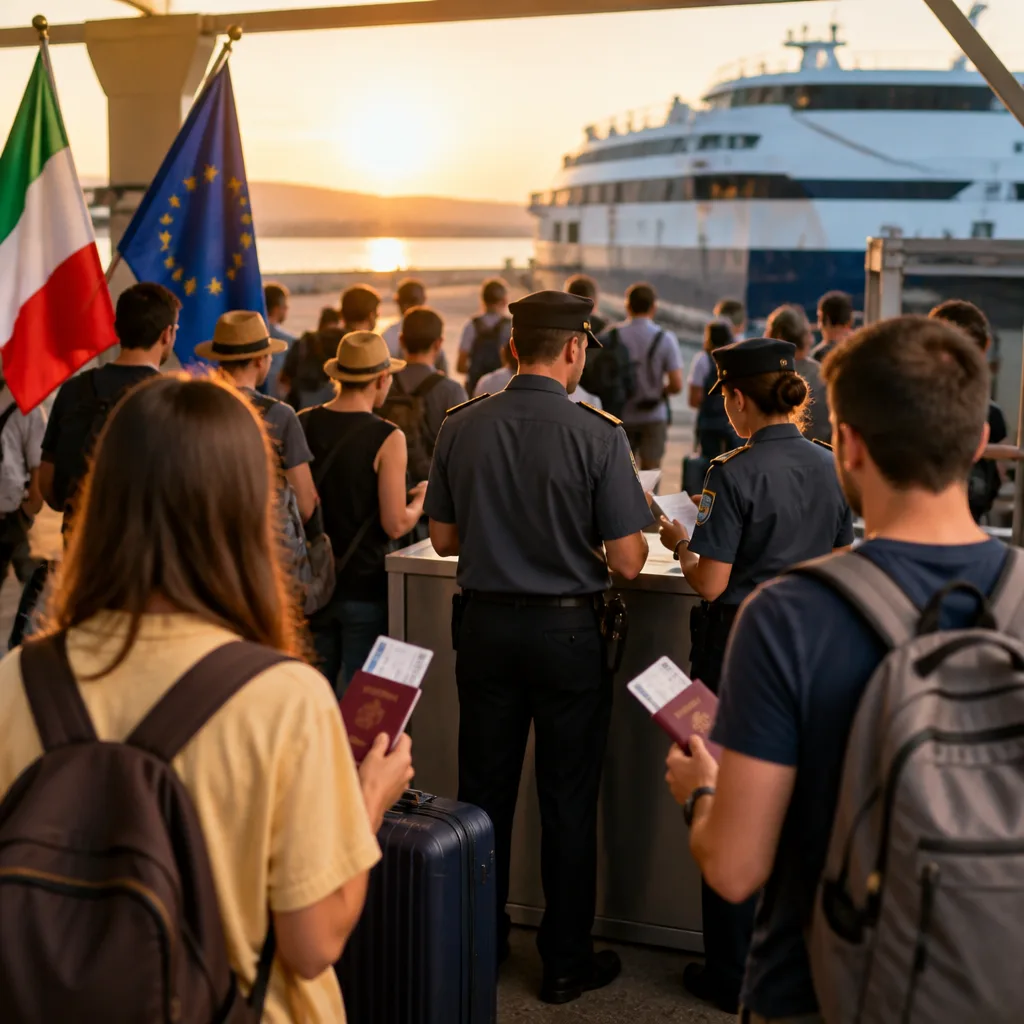
Italy announced on Friday it will suspend the Schengen free‑movement arrangement with Spain for one month, a move prompted by a recent mass arrival of migrants into the Spanish enclave of Ceuta from neighbouring Morocco. The measure means people travelling by plane or boat between Italy and Spain will have to show a passport to gain entry.
What Rome has said and where controls will tighten
The Italian interior ministry said the suspension will apply for one month and that Rome had also reached an understanding with Paris to strengthen controls along the Franco‑Italian land border, with the aim of preventing undocumented migrants from crossing into Italy by land.
The decision does not affect Italy’s land border with Spain — the two countries do not share one — but it will alter procedures for travellers arriving from Spanish territory by air or sea.
Context: the Ceuta influx
The move followed a large movement of people into Ceuta, the Spanish enclave on the North African coast. Spain said it had reversed the rush of migrants into Ceuta, with most of the more than 50,000 people who had crossed the border heading back voluntarily.
- Location: Ceuta, Spanish enclave bordering Morocco
- Scale: More than 50,000 people crossed the border during the episode
- Italian action: One‑month suspension of Schengen travel arrangements with Spain; passport checks for plane and boat travel
- Additional step: Agreement with France to increase checks on the Franco‑Italian border
Political reaction and likely implications
Critics of Prime Minister Giorgia Meloni’s right‑wing government described the move as largely symbolic and directed at a domestic political audience. The criticism was grounded in the view that there is no evidence those who entered Ceuta intended to travel to Italy.
Meloni’s coalition, which took office in 2022 on a platform that included stricter measures on irregular migration, has faced pressure from a newly formed far‑right party led by former army general Roberto Vannacci. The party’s anti‑migrant rhetoric has found traction among some voters, according to reporting.
The decision is likely to increase tensions between Rome and Madrid. Requiring passports for travel already permitted under Schengen changes the practicalities for passengers and may affect airlines and ferry operators that serve routes between the two countries. It also signals how migration events in one part of Europe can prompt border responses elsewhere, even where direct land routes do not exist.
What travellers should expect
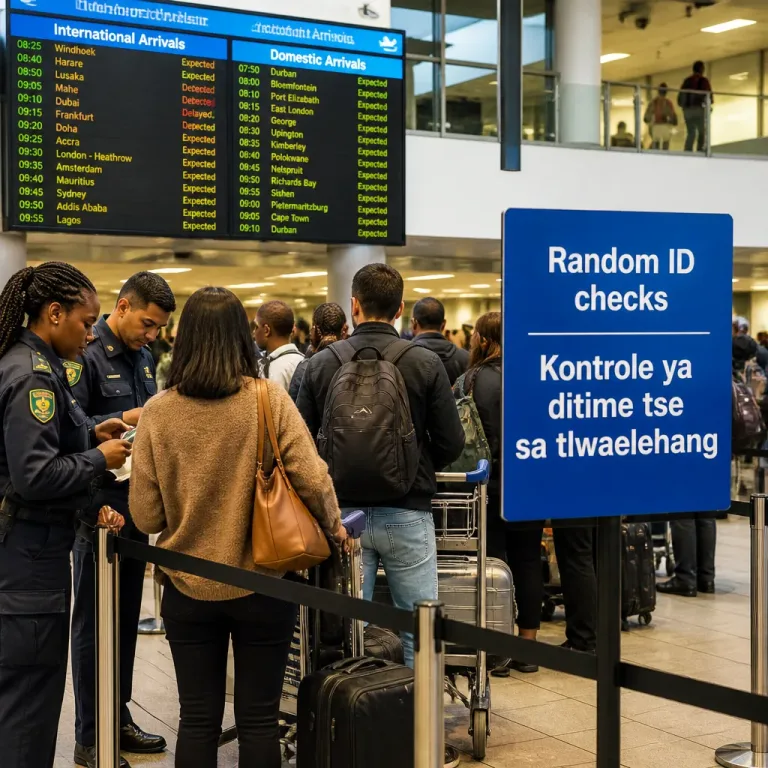
People planning travel between Spain and Italy by air or sea during the next month should be prepared to present a passport at the point of entry and may face additional document checks. Authorities in France and Italy will also be strengthening checks along their shared land border, which could affect cross‑border road travel and freight movements.
| Measure | Immediate effect |
|---|---|
| Schengen suspension (Italy–Spain) | Passport checks for plane and sea travellers for one month |
| Franco‑Italian border controls | Increased checks to deter undocumented land crossings |
The episode demonstrates how migration shocks in one area can prompt swift policy responses across borders. For travellers and businesses, the short‑term impact will be operational: extra checks, possible delays and increased document scrutiny. For politics and policy, the measure highlights migration as a continuing political flashpoint in several European states.
Observers will be watching whether Madrid responds diplomatically and whether the step by Rome affects wider Schengen cooperation in the coming weeks.