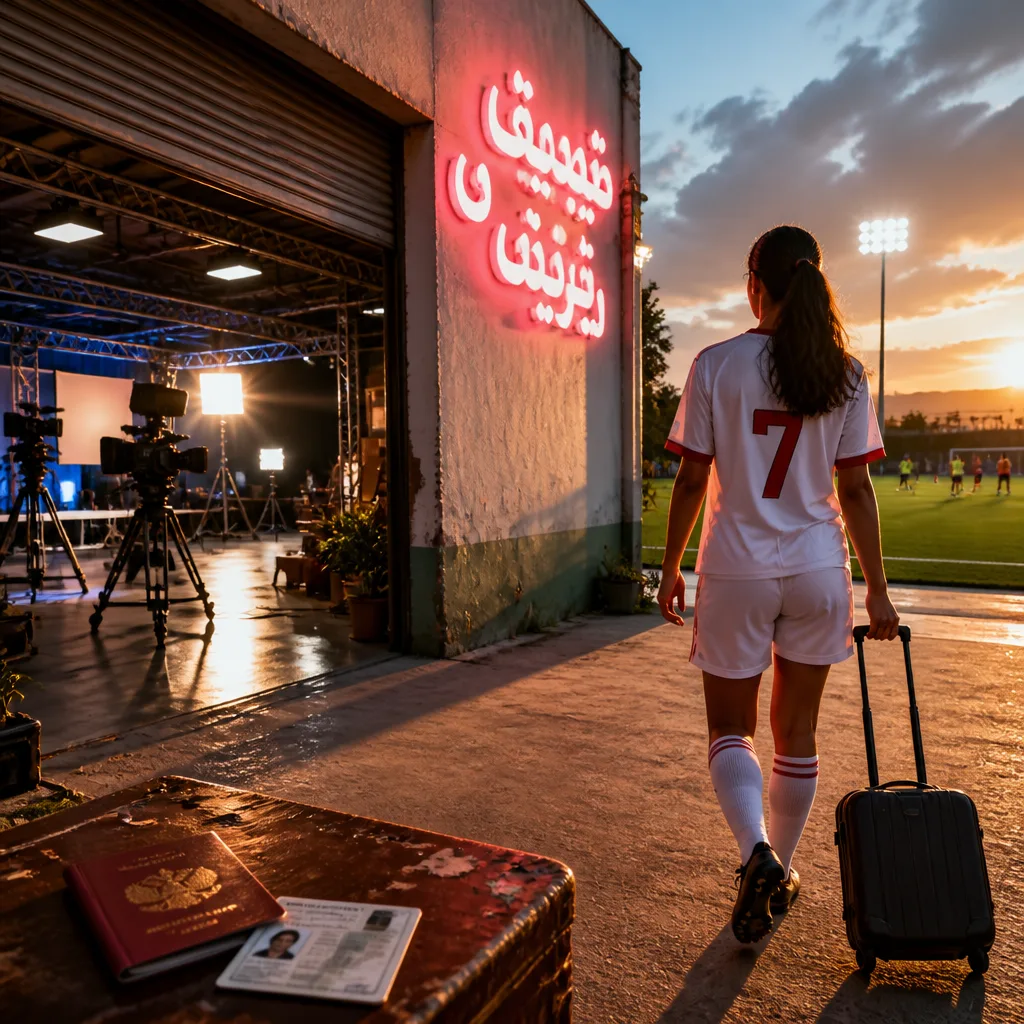
Persian-language reality television filmed outside Iran is offering young Iranians liberties that would be impossible under the Islamic Republic — but it is also amplifying the anxieties of a generation living between two worlds, according to reporting by Iran International.
Why it matters from here
The programmes do more than entertain. They create a visible alternative to state-controlled media, showing freedoms of dress, expression and social interaction denied inside Iran. At the same time, participants often face unstable employment, uncertain legal status in their host countries and strained ties to family and homeland. For audiences inside Iran, the shows are a window on different possibilities; for those who appear on them, they can become a spotlight that complicates claims to safety and belonging.
Iran International reported that the new wave of exiled reality shows highlights a deeper social and political squeeze: everyday rights — to work, to fair contracts, to public recognition — are mediated through power in Iran, while outside the country the protections that migrants expect are often fragile.
Sport, livelihood and the state
The reporting illustrates the point through the experience of women footballers. One prominent example involves Afsaneh Chatrenoor, a national team forward and four-time top scorer in Iran’s women’s league, who travelled to meet a senior judicial official to ask for help securing employment, the report said. Chatrenoor recited her sporting record and appealed for intervention so she might have a livelihood beyond her playing days.
The situation of Iran’s women athletes, as described, is telling: professional structures that make sport a career — contracts, job security, broadcast rights and mainstream media coverage — have been curtailed. What remains is a dependency on officials for access to work and recognition, turning basic entitlements into discretionary favours.
Iran International also reported two related developments: two former teammates of Chatrenoor recently became Australian citizens, illustrating how some are seeking durable futures overseas; and a player, Zahra Alizadeh, left the national team in protest after security forces responded to demonstrations with deadly force in January.
| Person | Action | Reported outcome |
|---|---|---|
| Afsaneh Chatrenoor | Appealed to judiciary for employment | Asked for official intervention to secure work |
| Two unnamed teammates | Pursued residence abroad | Reportedly became Australian citizens |
| Zahra Alizadeh | Resigned from national team | Left in protest after security forces' actions |
Broader cultural and political implications
By producing content abroad, Iranian reality shows bypass domestic censorship and expand the contours of what can be shown and debated. But the programmes do not erase the political economy that pushed people out. Iran International’s reporting frames these media products as both symptom and remedy: symptom of the shrinking public space inside Iran and remedy insofar as they let people experiment with new forms of social life.
- Visibility: The shows reveal everyday behaviours and debates that are suppressed inside Iran.
- Precarity: Participants face uncertain legal and economic futures even after leaving Iran.
- Political spillover: Acts of protest and state reprisals at home continue to affect athletes and public figures abroad.
For South African and international readers, the story is an example of how media produced in exile can change domestic conversations while exposing the limits of migration as a solution to political restriction. It also underscores the entanglement of cultural freedom, labour rights and the politics of migration — issues familiar in many diasporas worldwide.
Iran International’s reporting warns that the freedoms visible on screen do not always translate into secure lives off it. For many participants, the choice is not simply between remaining at home under repression or living freely abroad; it is about navigating fragile residency, precarious livelihoods and a contested sense of belonging.