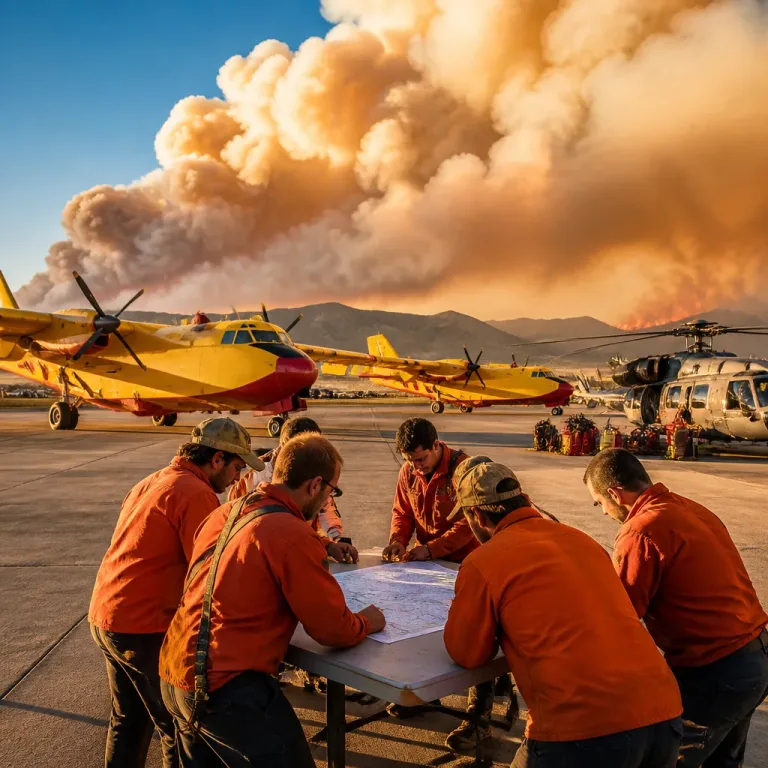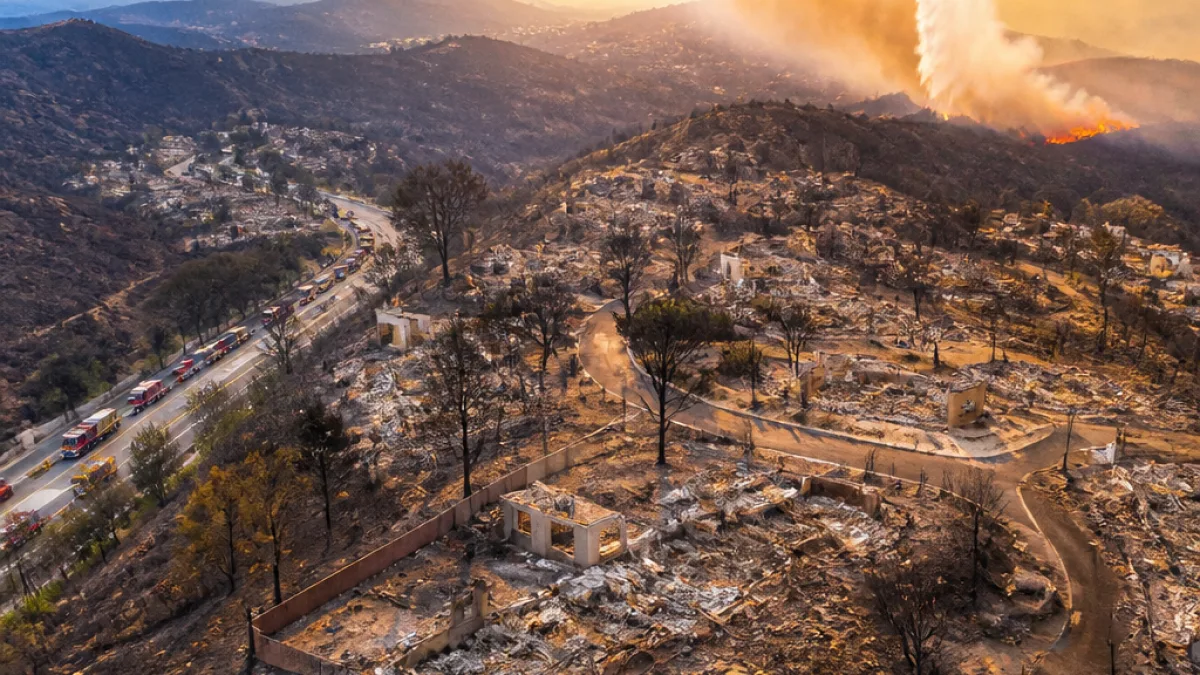
More than 2.9m acres (about 1.1m hectares) have burned on the eastern sides of Washington and Oregon this year, and authorities are grappling with a season described as both historic and exceptionally destructive, according to reporting from the Pacific north‑west.
Scale of destruction and the strain on resources
On the eastern side of Washington state alone, crews battled multiple large fires that together have consumed at least 846 structures, leaving streets of twisted metal and ash where suburban neighbourhoods once stood. Oregon has already recorded its largest burned acreage in state history; Washington is experiencing its most destructive season on record.
Across the United States, fire agencies were managing about 95 large blazes as of 7 August 2026. The US National Interagency Fire Center reported that more than 6.3m acres had burned nationwide since the start of the year, and firefighters had confronted in excess of 45,800 fires.
“We are living through climate change and it’s accelerating,” said Dr Susan Prichard, a fire ecologist at the University of Washington.
Officials and fire experts warn the situation could worsen: prolonged dry conditions and higher temperatures extend the window for extreme fire behaviour, and there are months to go before the highest seasonal risks ease.
What the figures show
| Measure | Figure |
|---|---|
| Burned acreage in WA & OR | 2.9m acres (~1.1m ha) |
| Structures destroyed (eastern Washington) | 846 |
| Large US blazes (as of 7 Aug) | 95 |
| Total US burned acreage (year to date) | 6.3m acres |
| Number of fires battled nationally (year to date) | 45,800+ |
Why this matters beyond the Pacific north‑west
The severity of the fires underlines how hotter, drier conditions increase the frequency and intensity of wildfires. For South Africa and provinces such as the North West, the US season is a cautionary example rather than a parallel — landscapes, vegetation and fire management systems differ — but the underlying climate drivers are shared.
For local policymakers and emergency services, lessons from large overseas events are practical: they stress the need for robust early warning systems, interagency coordination, adequately resourced firefighting units and community preparedness plans that address vulnerable settlements and infrastructure.
Practical takeaways for residents and authorities
- Review and strengthen local fire response plans and mutual‑aid agreements with neighbouring districts.
- Ensure equipment and aerial support contracts are current and scalable during peak seasons.
- Prioritise public education on household preparedness, safe evacuation routes and smoke‑health precautions.
While those steps are general, they are built on an accountability premise: declared incidents and post‑event inquiries should be treated as starting points for reform — not endpoints. Officials need to demonstrate action on resource gaps revealed by extreme seasons elsewhere.
Remaining questions and international context
Key uncertainties remain about whether personnel and equipment will keep pace if conditions deteriorate further or if multiple regions require support simultaneously. The US experience this season, with hundreds of structures lost and millions of hectares burned, illustrates the potential scale of disruption when extreme fire behaviour coalesces with stretched resources.
South Africa’s fire authorities and environmental agencies will be watching international developments for operational insight. At the same time, the crisis underscores the urgency of integrating climate projections into long‑term land‑management, infrastructure planning and emergency budgets.
As the northern hemisphere moves towards its autumn and the southern hemisphere approaches the next high‑risk period in 2026–27, the broader policy question remains: how quickly will governments turn the evidence of escalating fire risk into strengthened prevention, response and resilience measures?