The North West Provincial Legislature’s Portfolio Committee on Community Safety and Transport Management has exposed serious operational and security shortcomings at the police explosives unit in Brits, raising concerns about the capacity to respond safely to bomb threats and other explosives-related incidents across the district.
Small team serving a large area
During oversight week in the Bojanala district municipality the committee, chaired by Freddy Sonakile, inspected the specialised unit responsible for bomb disposal, explosives control and mine inspections. The team was found to comprise only four police officers and one cleaner while serving 16 police stations across an area stretching from Marikana to Makapanstad.
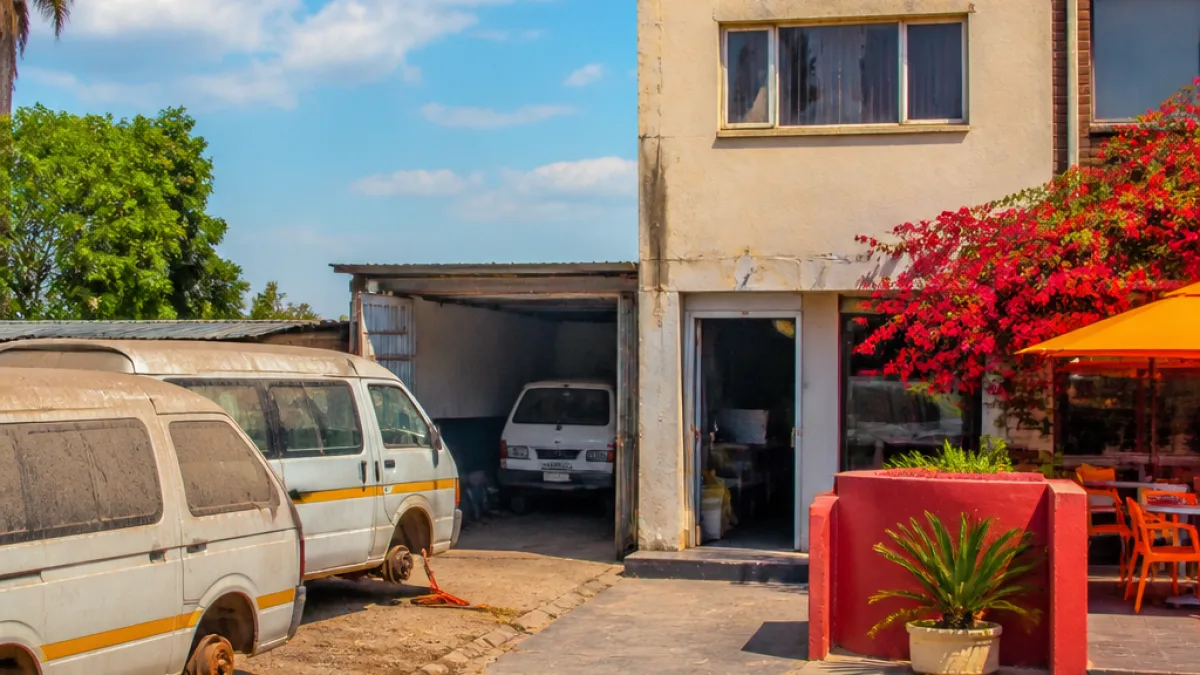
The committee reported that the unit’s operational capacity is severely hampered by a lack of functional vehicles. Of the three vehicles allocated to the unit:
- one is standing without tyres;
- one is under repair;
- the third has been at a police garage for about six months.
As a result, the Brits unit has been forced to borrow a vehicle from the Rustenburg explosives unit to carry out duties.
| Resource | Status |
|---|---|
| Staff | 4 officers, 1 cleaner |
| Stations covered | 16 police stations |
| Vehicles allocated | 3 (one without tyres, one under repair, one in garage ~6 months) |
Security of the premises questioned
The legislature’s spokesperson, Namhla Luhabe, said the physical security of the unit was equally troubling. The explosives unit is housed in leased premises that are shared with other tenants and situated next to a busy restaurant. The facility reportedly has no CCTV cameras, no alarm system, no dedicated security personnel and no signage identifying it as an explosives unit — a combination the committee described as elevating risk for specialised staff and equipment.
"The premises have no CCTV cameras, no alarm system, no dedicated security personnel and no signage identifying the building as an explosives unit, raising serious concerns about the protection of specialised personnel and equipment," said Namhla Luhabe, the North West legislature spokesperson.
Committee chair Freddy Sonakile said the situation was unacceptable and warned that officers dealing with dangerous explosives-related incidents cannot be expected to operate under such conditions. The committee also noted similar shortcomings at the Rustenburg explosives unit, suggesting the problems may not be isolated to Brits.
Implications for public safety and policing
The shortcomings identified by the oversight visit have several practical implications. A severely understaffed unit with unreliable transport will face delays in responding to incidents involving explosive devices, controlled detonations and mine inspections. Shared leased premises without appropriate security measures increase the risk of unauthorised access to specialised equipment and sensitive materials.
Members of the public and police management will want clarity on immediate mitigation steps: how incidents will be prioritised, whether temporary transport solutions will be formalised, and what interim security arrangements will be put in place for the premises.
What the report did not say
The committee’s inspection report highlights deficiencies but does not set out a timetable for remedial action in the public summary. It is also unclear from the report whether national police management or the provincial safety department has been formally notified of the risks and the request for resources.
Given the specialised nature of explosives work, the legislature may now seek assurances from SAPS leadership and the provincial Department of Community Safety on resourcing, premises security and contingency arrangements while repairs and upgrades are undertaken.
The oversight findings underline the need for urgent attention to ensure that units charged with managing some of policing’s most dangerous tasks have the equipment, transport, facilities and security they require to protect both officers and the public.