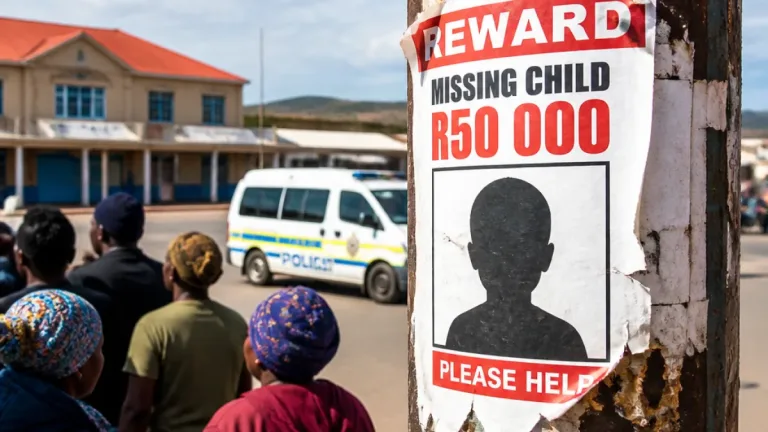
A 44‑year‑old employee of the Mpumalanga Department of Education was arrested after an alleged sexual assault of a nine‑year‑old boy in a room in KaNyamazane township outside Mbombela on Friday, 16 October, police confirmed on Monday.
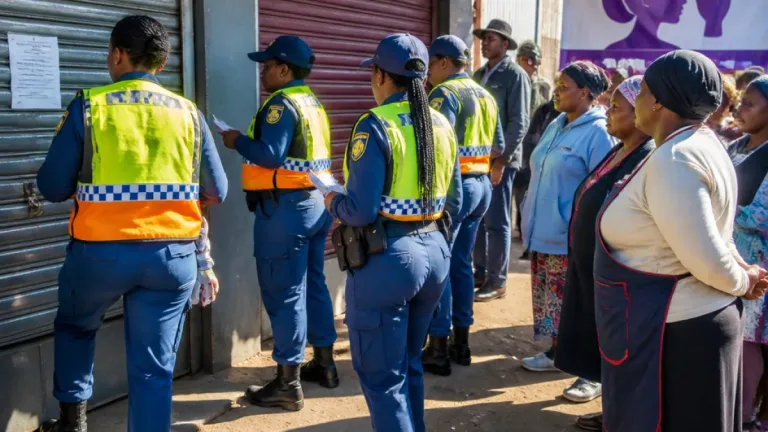
Mpulanga police spokesperson Lieutenant Colonel Jabu Ndubane said officers acted after a passer‑by heard the child screaming and found the suspect and the boy in a room. The suspect is expected to appear in the KaNyamazane Magistrate’s Court in the coming days, Ndubane said.
Police and department responses
Mpumalanga police confirmed the arrest but provided limited details as the case is under criminal investigation. The provincial Department of Education acknowledged awareness of the allegations and reiterated its stated policy stance on gender‑based violence and child protection.
“The department has a zero‑tolerance approach to gender‑based violence, sexual offences, and any form of child abuse,” said Gerald Sambo, spokesperson for the Mpumalanga Department of Education.
Sambo emphasised that the department would be guided by the criminal justice process and relevant public service prescripts. He said the department would not comment further to avoid interfering with the police investigation and that internal disciplinary measures would follow if criminal charges are confirmed.
What is known so far
The facts released by police and the education department as at Monday are narrow but clear:
- The alleged incident took place on 16 October in KaNyamazane township, outside Mbombela.
- The victim is a nine‑year‑old boy.
- The arrested suspect is a 44‑year‑old employee of the Mpumalanga Department of Education.
- The case will proceed through the KaNyamazane Magistrate’s Court; further details will be released by SAPS as they become available.
| Item | Detail |
|---|---|
| Incident date | 16 October |
| Location | KaNyamazane township, Mbombela |
| Victim | 9‑year‑old boy |
| Accused | 44‑year‑old DoE employee (arrested) |
Legal and departmental process
The department reminded the public that any employee alleged to have committed a criminal offence is entitled to the presumption of innocence until proven guilty in court. Should the police lay formal charges, the education department said it would follow the Labour Relations Act and the Public Service Disciplinary Code to determine administrative or disciplinary action.
Police handling of sexual‑offence matters involving children typically includes evidence‑gathering, statements from witnesses, and forensic procedures where appropriate. The department said it would cooperate with SAPS and provide assistance if requested, while withholding further comment to avoid prejudicing the prosecution.
Support for victims and community concerns
Incidents of alleged sexual violence against children provoke urgent calls for effective prevention, timely investigation and support for victims. Community members and caregivers in KaNyamazane are likely to seek reassurance about safety measures in schools and public spaces. The department’s zero‑tolerance stance signals an administrative framework exists, but transparency and swift action are critical to restore public confidence.
Practical steps community members can take while the criminal process continues include reporting any related information to SAPS, seeking psychosocial support for victims through local social‑work services or NGOs, and raising concerns with school governing bodies where appropriate.
What to expect next
Police are expected to provide further details following initial investigations and after the suspect’s court appearance. The Department of Education has indicated it will initiate internal procedures if charges are confirmed. Community members will be watching for updates from SAPS and the courts as the matter progresses.
The case highlights ongoing challenges in protecting children and ensuring accountability among public‑sector employees. Authorities have emphasised legal process and cooperation between agencies, but the need for robust prevention and support mechanisms remains pressing.