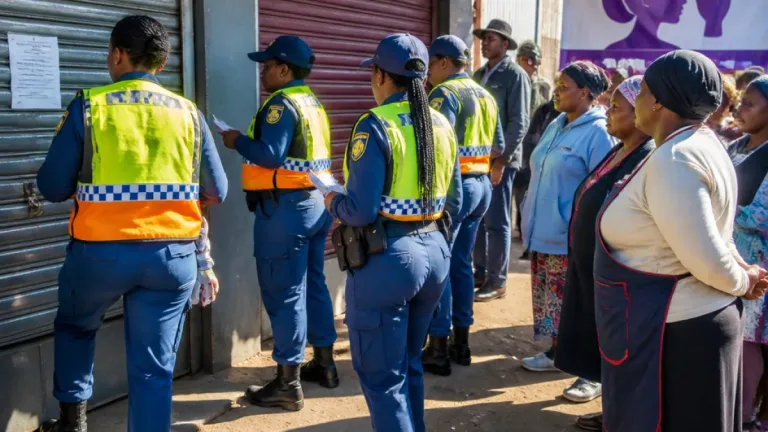
Court hands down life sentence in attack that killed young doctor
The Elukwatini Regional Court has imposed a life sentence on Clement Njabulo Nhlabathi (23) for the murder of Dr Mthunzi Zwane (27), and ordered a further 15-year term for robbery with aggravating circumstances. The attack occurred on 6 July 2023 in the Nhlazatshe 1 area of Elukwatini, Mpumalanga, and has since had a profound effect on the doctor’s family and the local community.
Mpumalanga NPA spokesperson Monica Nyuswa confirmed the sentence and said Nhlabathi had pleaded guilty to murder and robbery. Several co-accused — Lwazi Panel Motha (22), Sakhile Siphamandla Nkosi (23), Nthatheng Hopewell Makhanya (22) and Nkosenhle Prince Masina (24) — were initially charged alongside him. They pleaded not guilty, and the state successfully applied for separation of their trials.
Sequence of events laid out in court
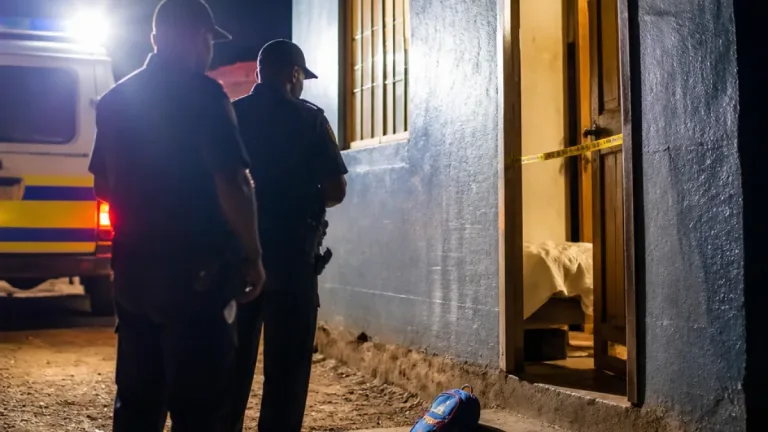
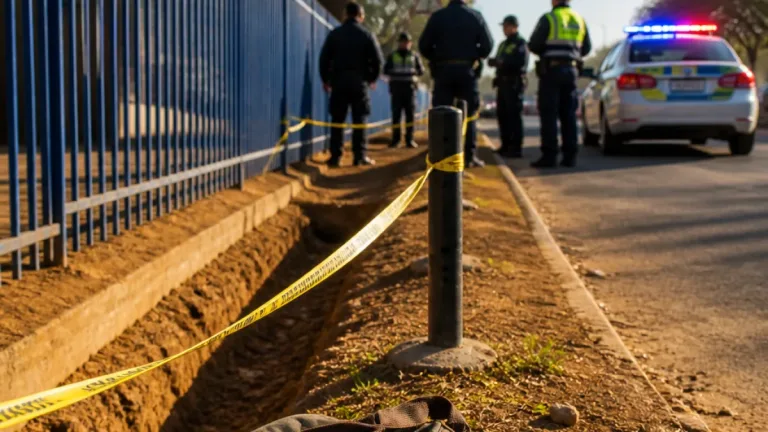
The court heard that Zwane had visited Stars Local Tavern in Nhlazatshe 1 to buy alcohol. A group of men followed him when he left the tavern and attacked him at a nearby bridge. The attackers stabbed him repeatedly while demanding his bank card and Personal Identification Number (PIN). After Zwane handed over the card and PIN, he was found not breathing and was pushed into a nearby river, where he drowned.
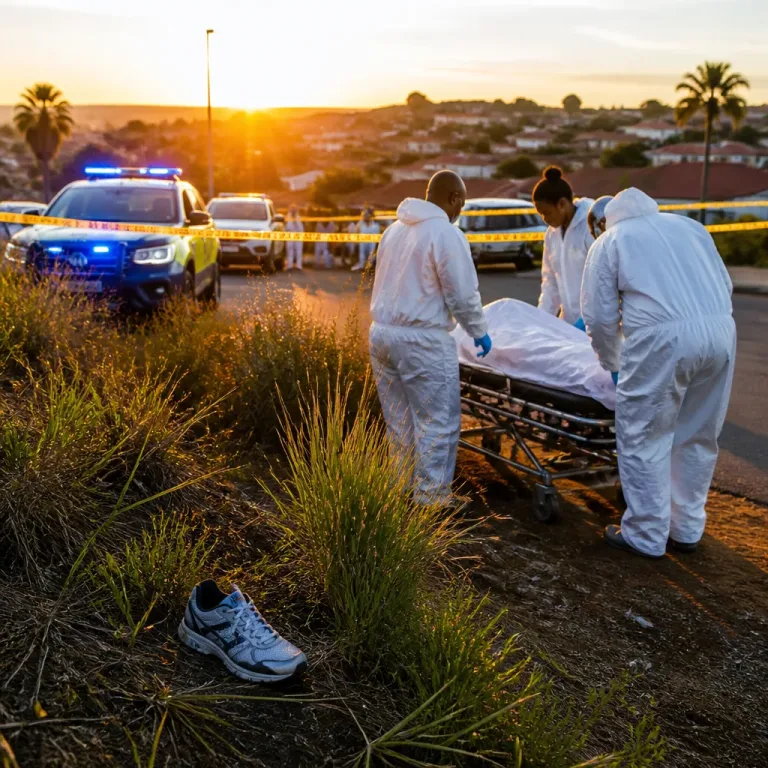
Police located Zwane’s body the next day and investigations led to the arrest of the suspects. One of the accused later indicated where the stolen bank card had been discarded. Court papers show the card was used several times at the tavern to buy alcohol until the transaction limit was reached, after which it was thrown away.
| Key dates | Event |
|---|---|
| 6 July 2023 | Zwane attacked near a bridge after leaving Stars Local Tavern. |
| 7 July 2023 | Zwane’s body was discovered; police investigation began. |
| Date of sentencing (Elukwatini Regional Court) | Nhlabathi sentenced to life imprisonment plus 15 years. |
State rejects remorse argument
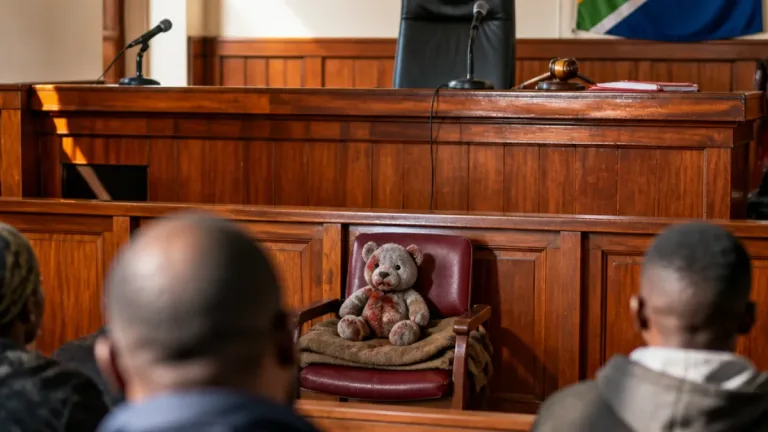
At the sentencing hearing, Nhlabathi’s legal team argued his guilty plea, shown remorse and acceptance of responsibility warranted a lesser sentence. However, state prosecutor Mxolisi Biyela countered that the admission was prompted by overwhelming evidence rather than genuine contrition. The state pointed to eyewitness testimony, a confession and incriminating material gathered during the investigation.
The prosecution also highlighted the serious harm inflicted on Zwane’s relatives and the broader Elukwatini community. A victim impact statement filed by the doctor’s sister detailed the family’s devastation following his death and the ongoing emotional toll.
Local context and community reaction
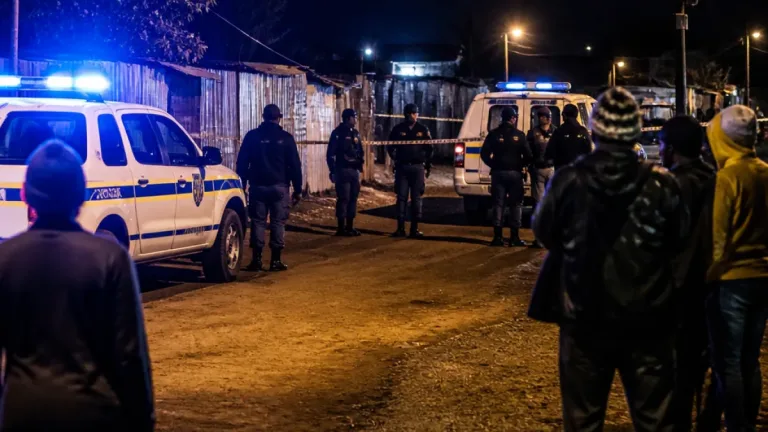
The killing of a young medical professional has raised concerns in the area about violent robbery and safety around taverns. Community leaders and residents say the case has underscored the vulnerability of people leaving late-night establishments and the need for stronger measures to protect patrons and deter violent crime.
- Legal outcome: Life imprisonment for murder; additional 15 years for robbery with aggravating circumstances.
- Accused: Nhlabathi pleaded guilty; four co-accused have separate trials.
- Evidence: Eyewitness accounts, a confession and recovered items including the discarded bank card.
Police investigations led to the arrests after Zwane’s body was found and one of the accused pointed authorities to the discarded bank card. The card’s use at the tavern following the murder formed part of the chain of evidence linking the suspects to the crime.
What this means for victims and prevention
The sentence brings legal closure in one part for Zwane’s family but does not erase the loss they continue to endure. Legal experts and victims’ advocates often point out that sentencing alone cannot repair trauma; many call for intensified community policing, better lighting and surveillance near taverns, and public awareness about personal safety when carrying cards and PINs.
Authorities have not released details of the timeline for the separate trials of the remaining accused.
This case remains a reminder of the intersection between opportunistic robbery and lethal violence, and how the consequences ripple through families and small communities in Mpumalanga.