Lebo Moeng turned a career setback into a tourism venture when she launched Letsatsing Lodge in the North West after receiving a Section 189 retrenchment notice. The lodge, Moeng says, is founded on authentic Setswana culture, practical resilience and a focus on community benefits.
From banking to hospitality
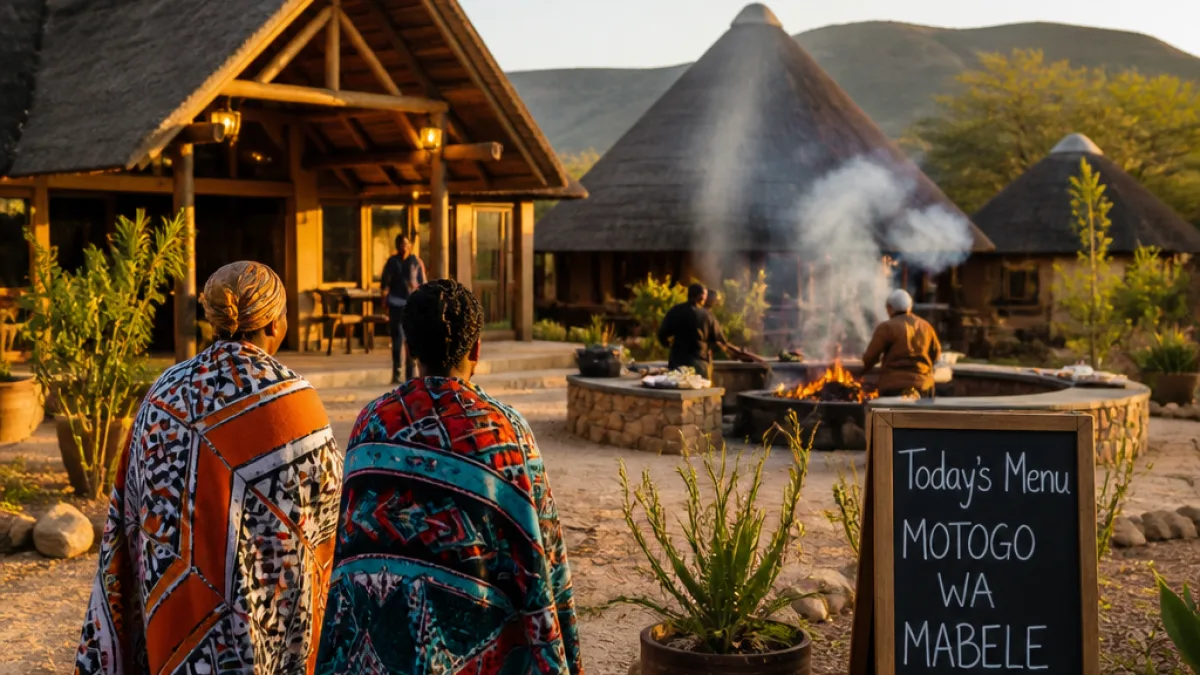
Moeng spent nearly two decades in banking before the retrenchment that prompted a change of direction. She registered Letsatsing Lodge Company in 2005 and used her retrenchment payout to pursue the family dream of creating accommodation that reflected homegrown hospitality and cultural identity. The lodge incorporates local cuisine and traditions into the guest experience, including dishes such as motogo wa mabele (fermented sorghum porridge) and regular traditional braais.
“
Leaving the corporate environment was one of the scariest decisions of my life,” Moeng said, reflecting on the transition. The move, she said, reinforced the importance of resilience and adaptability in leadership.
Culture and community at the centre
Letsatsing Lodge deliberately weaves Setswana cultural elements into its operations, positioning itself as more than a place to stay. The model aims to make visitors feel at home while showcasing local heritage. The lodge’s approach includes:
- Traditional cuisine integrated into regular menus.
- Weekly communal braais that reflect local hospitality customs.
- An emphasis on providing guests with a culturally authentic experience rather than standardised hotel fare.
Moeng has spoken about using the business to support community growth and to provide opportunities in a region where rural entrepreneurs face structural challenges. She told Bizcommunity that women in rural communities need “real structural support” to succeed in tourism — a point that underscores wider policy and development questions for provincial and municipal leaders.
Practical resilience and operational lessons
Moeng emphasises practical resilience: lean operations, careful financial management and flexibility in service delivery. Her background in banking contributed commercial discipline to her hospitality venture. Although the lodge draws on tradition and culture, its long-term viability relies on sound business practices, she said.
Key operational principles Moeng has highlighted include:
- Conserving cash and reinvesting earnings where they boost guest experience.
- Maintaining service quality while keeping costs manageable.
- Adapting product offering to market demand without losing cultural authenticity.
Why the North West matters for tourism
The province has a growing niche in cultural and rural tourism. Small, authentic lodges can attract visitors seeking more than conventional resorts — travellers who want connection to local food, storytelling and community life. Initiatives such as Letsatsing Lodge point to how retrenchment payouts and local entrepreneurship can be channelled into job-creating tourism enterprises.
| Aspect | What Letsatsing offers |
|---|---|
| Founding | Registered Letsatsing Lodge Company in 2005; launched using retrenchment payout |
| Cultural focus | Setswana cuisine and traditional braais |
| Leadership | Founder from banking; emphasises resilience and operational discipline |
Support gaps and policy implications
Moeng’s account for Women’s Month raises broader questions: what targeted support do rural women entrepreneurs need to scale tourism businesses? She argues for structural interventions — finance, training, market access and infrastructure — that can help similar ventures survive seasonal demand fluctuations and compete in increasingly crowded tourism markets.
For prospective entrepreneurs, Moeng’s trajectory offers practical takeaways: consider how personal skills (banking, administration, marketing) translate into business advantages; use retrenchment funds prudently; and build a product that leverages local culture without compromising operational viability.
Looking ahead
As Letsatsing Lodge continues to develop, its model of cultural authenticity combined with financial discipline will be one to watch. In a province where tourism can be a vehicle for job creation, initiatives led by former corporate employees turned entrepreneurs may point to replicable approaches — provided there is adequate public and private support to help them grow.
Moeng’s story is not simply about starting a business after a retrenchment; it is about reframing loss into local opportunity, and about the tangible ways culture and commerce can be married to benefit communities in the North West.