The Japanese Environment Ministry has announced plans to prepare guidelines for the second‑hand goods and reuse sector in fiscal 2027, signalling a stepped-up effort to tackle problematic business practices and lift consumer confidence in an expanding market.
Focus on trustworthy operators and clearer standards
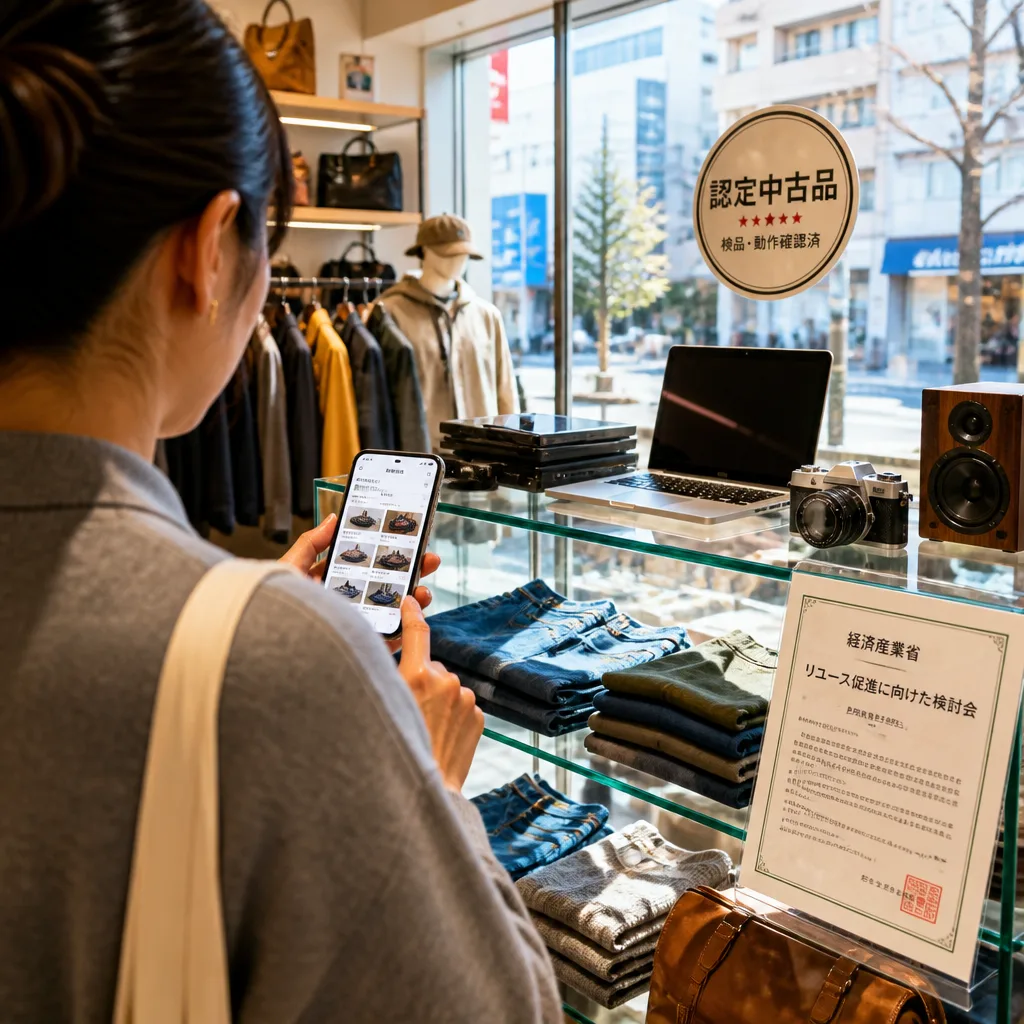
The guidance will set out expected practices for firms that buy and sell used items, including flea‑market app operators and reuse shops, the ministry said. It aims to clarify standards that distinguish reliable operators from those exploiting consumers through misleading advertising or questionable collection and buying tactics.
Authorities have been prompted to act after reports emerged of businesses advertising free collection of goods but later charging high fees, and of uninvited home visits to pressure sales. The ministry will convene an expert panel to shape the guidance and to recommend concrete measures for compliance with consumer protection and waste‑management laws.
Industry certification and a push for market growth
The move comes as the Japan Reuse Affairs Association seeks to raise public awareness and trust in the sector: the association designated 8 August as "Reuse Day" and has created its own certification scheme for operators. The ministry plans to consider a government recognition or support system that would help consumers identify credible businesses.
Market targets are ambitious. The government wants to grow the reuse market by 30% to ¥4.6 trillion by 2030 from an estimated ¥3.5 trillion in 2024, and to foster a safe, reliable market by 2040. In dollar terms the ¥4.6 trillion target was cited as roughly $29.1 billion; converting that to South African rand gives an approximate figure of R538.4 billion, and the ¥3.5 trillion baseline equals roughly R410.0 billion (these rand amounts are approximate, using the dollar figures provided by the source).
| Metric | Figure |
|---|---|
| Estimated market size (2024) | ¥3.5 trillion (≈ R410.0 billion) |
| Target market size (2030) | ¥4.6 trillion (≈ R538.4 billion) |
Practical measures under consideration
While the expert panel will formalise the detail, the ministry indicated the guidelines will likely cover:
- advertising standards to prevent misleading descriptions of free services;
- obligations to inspect and disclose item quality before sale;
- behavioural rules for door‑to‑door buying and collection services; and
- a possible recognition system to highlight reputable businesses.
Officials see these steps as essential to expanding reuse activity without exposing consumers to unfair practices. A clearer regulatory framework could also make it easier for platforms and physical stores to operate across prefectures with consistent expectations.
Expanding the reuse market aligns with broader policy objectives around resource efficiency and waste reduction. By encouraging legitimate players and pushing out bad actors, the ministry aims to make second‑hand transactions safer and more attractive to households and businesses, which in turn should support the government's target growth.
For consumers, the likely immediate impacts would be fewer surprise fees, better disclosure about item condition, and clearer ways to verify that a reseller or collection service is legitimate. For established operators, a government or industry recognition scheme could become a market differentiator.
The ministry's timeline places drafting work in fiscal 2027. Details from the expert panel and any formal recognition system will be published as the process advances, with implementation likely staged to give businesses time to comply.
As the reuse economy develops, regulators in other jurisdictions are watching similar shifts: platforms and regulated services can expand access to lower‑cost goods while raising questions about consumer safeguards and environmental claims. Japan's approach underlines the balancing act between market growth and protecting shoppers from exploitative conduct.