Sudan has indicated it is willing to reopen its tea market to Kenya, signalling a potential end to a trade suspension that has left millions of kilogrammes of Kenyan tea stranded and placed pressure on growers and exporters.
Diplomatic outreach follows mediated talks in Nairobi
The breakthrough followed discussions in Nairobi between Sudan's Ambassador to Kenya, Kamal Gubara, and leaders of the East Africa Tea Trade Association (EATTA), in a meeting brokered by former Kenyan vice‑President Kalonzo Musyoka, according to reporting. The talks raise hopes that tea exports suspended since March 2025 could resume within weeks.
"We will pursue the talks at the highest levels to facilitate trade between the two countries,"
The ambassador said he would brief Sudan's military leader, General Abdel Fattah al‑Burhan, on the outcome. Khartoum halted imports from Kenya in March 2025 after accusing Kenya of siding with the Rapid Support Forces (RSF); Nairobi rejected those charges. Sudan also recalled its ambassador from Nairobi at the time.
Commercial impact: stocks, blending and lost markets
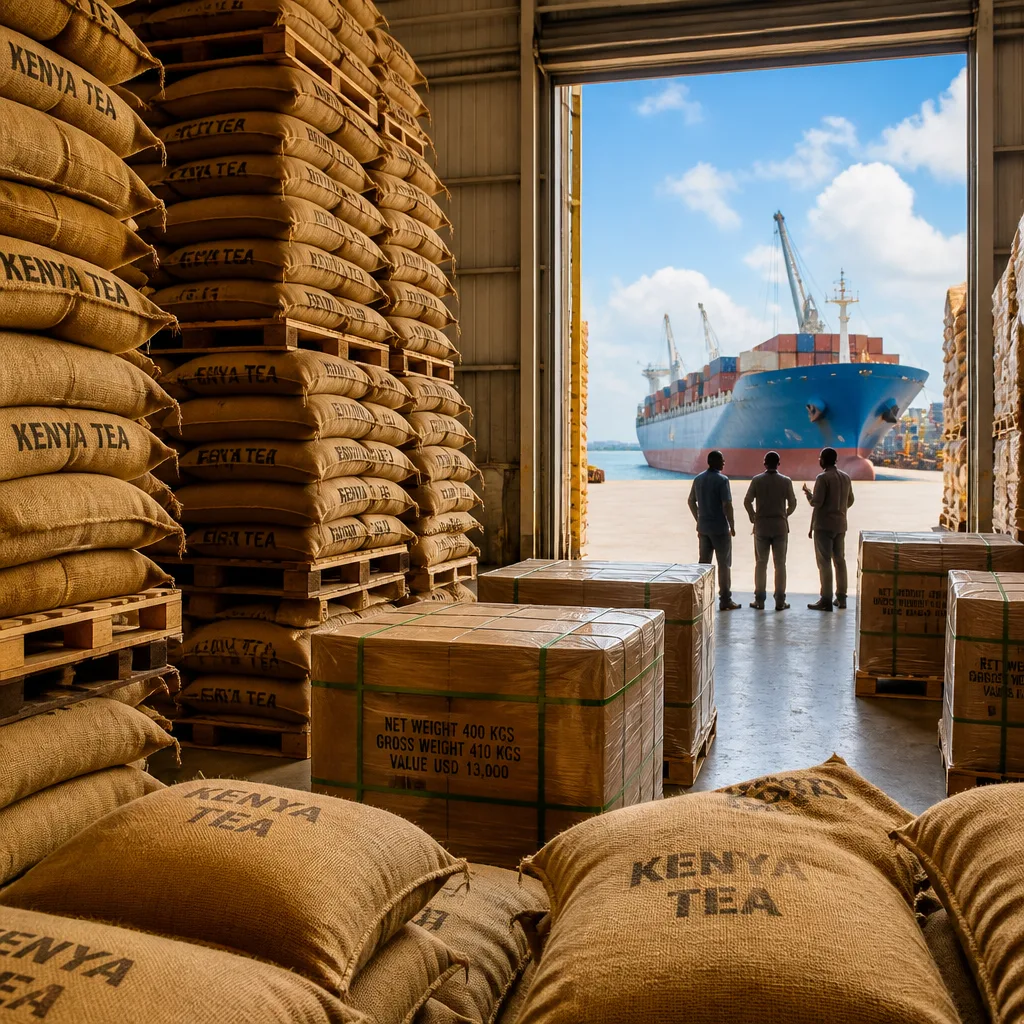
Sudan had been one of Kenya's largest buyers of black tea, importing about 35 million kilogrammes a year. The suspension left consignments blended and packaged for Sudan sitting in warehouses, particularly in Mombasa, causing hold‑ups and financial strain for exporters.
- More than 3.44 million kilogrammes of specially blended and packaged tea remain in warehouses in Mombasa, reported EATTA.
- Those consignments have an estimated value of just over $10.3 million, according to the same reporting.
- The wider annual trade with Sudan was cited at about $69 million.
George Omuga, Managing Director of EATTA, said the teas cannot easily be redirected to other markets, leading to lower auction prices and reduced earnings for Kenyan tea farmers. Exporters have struggled to find alternative buyers for consignments specifically blended for Sudanese taste profiles.
Why reopening matters
Resuming trade with Sudan would provide immediate outlets for the stockpiled, blended teas and help restore pricing and cash flow throughout the Kenyan tea value chain. For farmers, auction prices and factory payments are sensitive to export demand; prolonged closure of a key buyer depresses prices at auction and squeezes smallholders’ incomes.
Reopening also carries diplomatic significance. The March 2025 ban followed heightened political tension after Khartoum accused Kenya of supporting the RSF. Restoration of market access would require political assurances and high‑level engagement between Nairobi and Khartoum, steps that the ambassador said he would pursue.
What to watch next
- Whether Sudan’s leadership formally lifts the ban and establishes a timetable for reopening purchases.
- If Kenya and Sudan negotiate guarantees on trade flows that shield commerce from future political disputes.
- How quickly exporters can re‑establish logistics for shipments, and whether alternative markets can absorb redirected volumes if reopening is delayed.
| Item | Quantity / Value (reported) |
|---|---|
| Annual Sudan imports from Kenya | 35 million kg (about $69 million) |
| Tea stock stranded in Mombasa | 3.44 million kg (about $10.3 million) |
For Kenya’s tea sector—one of the country’s traditional earners of foreign exchange—access to long‑standing buyers such as Sudan matters both for immediate cashflow and longer‑term pricing stability. Any movement towards reopening will be closely watched by exporters, smallholder cooperatives and auction houses trying to stabilise markets and protect farmers’ incomes.
As diplomats prepare further talks, the key question for the industry is how swiftly practical arrangements can be restored so that the tea already blended and packaged for Sudan can reach consumers in that market rather than being sold at depressed prices elsewhere.