Turkey’s ambition to build an international financial centre in Istanbul is facing a test of credibility after recent actions against Bank Asya highlighted how political dynamics can unsettle markets and regulatory arrangements.
Plans clash with politics
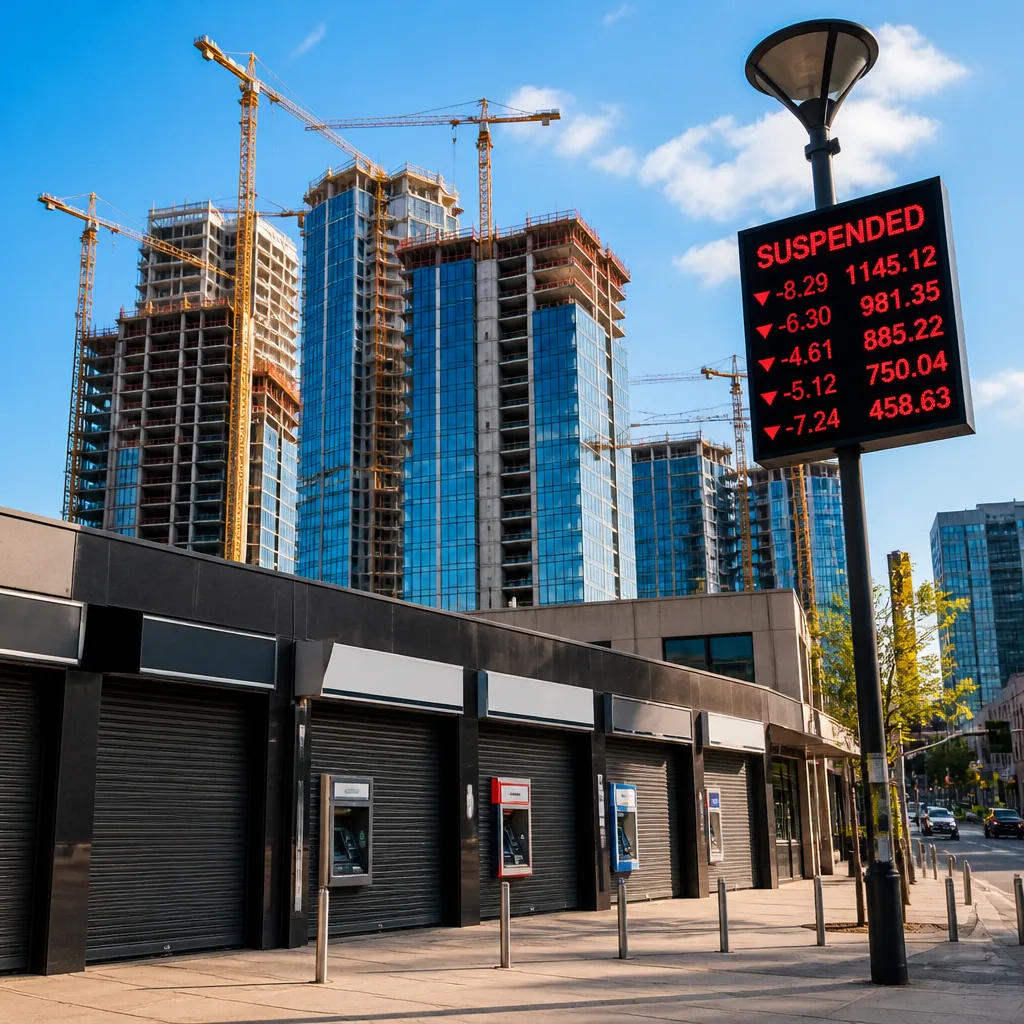
The Istanbul International Finance Centre, a multi‑billion‑euro complex under construction in the Atasehir district, is central to Turkey’s plan to position Istanbul as the largest financial hub between London and Hong Kong. The project depends not only on infrastructure but on continued confidence from domestic and international banks and investors.
That confidence has come under strain following moves that many market participants describe as politically driven against Bank Asya, a Turkish Islamic lender. According to reporting, government pressure has led depositors to withdraw funds, the bank’s share price to collapse and trading in the stock to be suspended by Borsa Istanbul. Regulators also revoked some of the bank’s licences and blocked a planned sukuk (Islamic bond) issue.
"It is the first time there has been something like this that challenges the legacy of the 2001 reforms," said Timothy Ash, head of emerging‑market research at Standard Bank in London. "We’ve not yet seen a decisive move away from [these reforms] but still it is a step back."
Why the 2001 reforms matter
The banking reforms enacted after Turkey’s 2001 crisis created a more resilient, tightly regulated financial system. Those reforms underpin the argument that Istanbul can host a major regional finance centre. If political interference appears to override regulatory safeguards, banks — Turkish and foreign — may reassess the commercial and reputational risks of expanding in Istanbul.
The Bank Asya episode is significant because it signals the potential for political considerations to alter market outcomes rapidly: deposit runs, licence revocations and trading halts are all measures that can frighten counterparties and clients. The knock‑on effect could be a slowdown in foreign bank appetite to commit capital, and a reappraisal by international investors of Turkey’s institutional reliability.
Potential consequences for the finance centre project
- Investment flows: Banks and institutional investors typically require predictable regulatory frameworks; perceived political risk can reduce inbound finance and delay tenants for the new finance complex.
- Market confidence: Trading suspensions and licence actions undermine investor trust, which is essential for a functioning financial hub.
- Regulatory reputation: The 2001 reforms were a selling point for international partners; any rollback or perceived weakening could erode that advantage.
Monocle’s reporting suggests the Bank Asya case is emblematic rather than isolated: it raises questions about whether political disputes might steer financial outcomes, with consequences for Turkey’s longer‑term goal of competing with established centres.
| Project | Location | Reported issue |
|---|---|---|
| Istanbul International Finance Centre | Atasehir | Ambitions undermined by political pressure on banks |
| Bank Asya | Istanbul | Depositor withdrawals, trading suspension, licence revocations, blocked sukuk |
For market observers, the immediate question is whether regulators and policymakers will act to restore confidence and reaffirm the post‑2001 regulatory ethos that helped modernise Turkey’s banking sector. As Timothy Ash notes, there has not yet been a decisive abandonment of those reforms — but the episode is a setback.
Beyond Istanbul, international banks weighing expansion into emerging markets will monitor whether this is an isolated incident or evidence of a broader trend. The outcome will influence not only the pace of investment into the new finance centre but also how Turkey is perceived by global capital markets seeking stable, well‑regulated regional hubs.
Meanwhile, the finance centre project remains under construction and market actors will be watching closely to see if political pressures escalate or are contained.