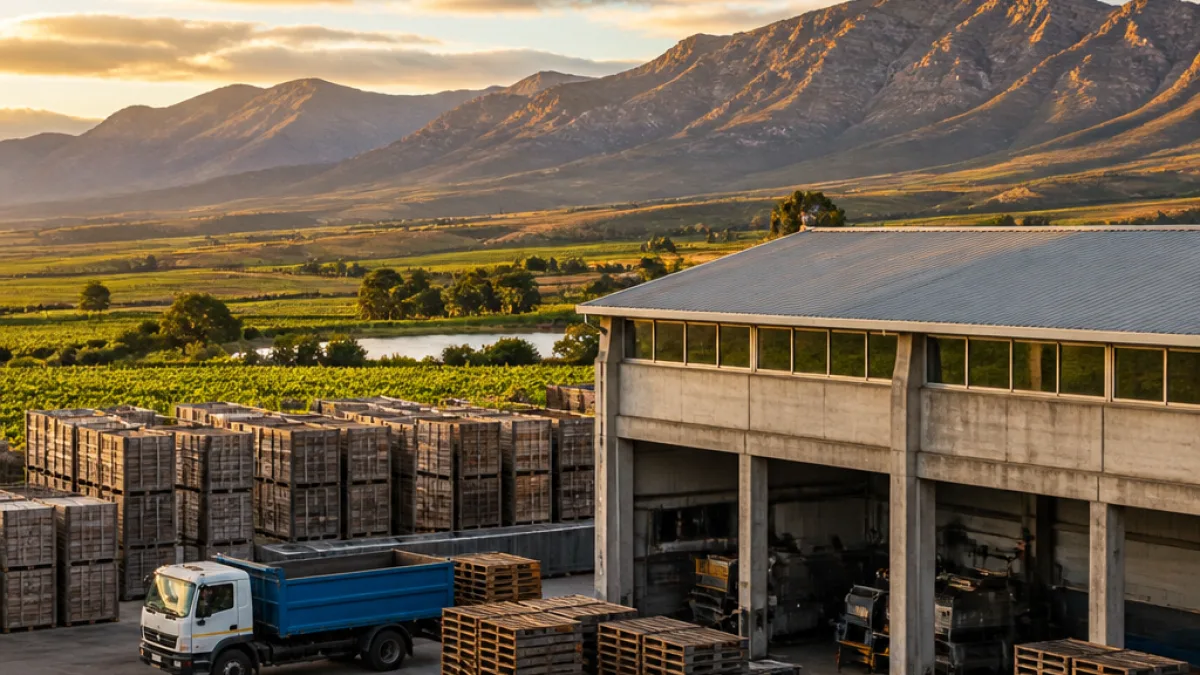
Agricultural bodies have urged immediate intervention following the Premier Group's reported plan to stop soft‑fruit canning at its Tulbagh plant ahead of the 2026/27 harvest. The move, industry representatives say, could jeopardise a value chain that processes tens of thousands of tonnes of fruit and supports thousands of workers across the region.
Sector warns of lost capacity and livelihoods
AgriSA, Agri Western Cape and the Canning Fruit Producers Association (CFPA) said the Tulbagh cannery is central to the region's fruit processing infrastructure and that closing it at short notice would have far‑reaching consequences for growers and communities. The organisations are calling for a negotiated process that explores all options before any irreversible steps are taken.
The industry statement set out the scale of the operation: the facility handles roughly 55 000 to 60 000 tonnes of fruit each year and purchases about R300 million of produce from farmers annually. More than 200 producers, approximately 2 000 hectares of orchards and thousands of jobs are linked to the plant and its downstream activities.
| Metric | Figure |
|---|---|
| Annual throughput | 55 000–60 000 tonnes |
| Producer purchases | R300 million per year |
| Producers affected | 200+ |
| Orchard area linked | ~2 000 hectares |
| Jobs connected | Thousands (permanent and seasonal) |
Why timing matters to farmers
Producers invest in orchards on long horizons — typically two to three decades — and plan production years ahead. The sector statement emphasised that redirecting large volumes of highly perishable fruit at short notice is not a realistic option for growers and could result in substantial financial damage.
According to the organisations, many farmers have binding arrangements with RFG Foods and other processors. Disrupting those contracts close to harvest would ripple through farm cashflows, labour arrangements and credit commitments.
“The priority should be to bring all parties around the table while there is still an opportunity to protect the productive capacity of the region,”
“This is not simply about one factory. It concerns farmers who have invested over decades, workers and communities whose livelihoods depend on this value chain, and productive agricultural capacity that cannot easily be recreated once it has been lost,”
The first quote is attributed to AgriSA Chief Executive Officer Johann Kotzé and the second to Jannie Strydom, Chief Executive Officer of Agri Western Cape, as set out in the joint statement.
Calls for engagement with Premier Group and other stakeholders
The farming organisations have asked for urgent engagement with the Premier Group to ensure existing commitments to producers are honoured and to prevent actions that could permanently damage the region's processing capacity. They warned that while commercial pressures on food processors are acknowledged, the scale and timing of any closure demand a process that properly assesses total impact on producers, workers and local economies.
AgriSA, Agri Western Cape and the CFPA said every reasonable avenue should be explored to safeguard the facility and the broader fruit industry. Their demand includes mediation between producers and RFG Foods where contracts or supply agreements are at risk.
Local context and potential fallout
Tulbagh sits within a broader Western Cape fruit corridor that supplies local canneries, exporters and fresh‑fruit markets. The loss of a single large processing facility would not only reduce market access for small and medium growers but could also increase logistical costs and place additional strain on remaining facilities during peak season.
- Short‑notice closure risks forcing growers to find alternative off‑takers for perishable fruit, often at lower prices.
- Seasonal workers dependent on cannery contracts could face sudden income loss, affecting household food security and local spending.
- Long‑term investment in orchards may be rendered uneconomic, influencing future decisions on replanting and land use.
For the affected communities, the immediate priority will be clarity: producers need to know whether current contracts will be honoured and workers need information about employment prospects for the coming season. The sector groups stressed that there is limited time to find alternative arrangements before harvest activity intensifies.
At the time of the statement, no public response from the Premier Group or RFG Foods was included. The organisations have urged government and industry stakeholders to convene urgently to prevent loss of productive capacity that has taken decades to build.
As the harvest approaches, growers, workers and local municipalities will be watching for meaningful engagement that mitigates economic harm and protects the region's fruit processing infrastructure.