
South Africa’s private sector returned to modest expansion in July, according to S&P Global’s Purchasing Managers’ Index (PMI), which came in at 50.3, just above the 50 threshold that separates growth from contraction.
Output recovery but demand still soft
The PMI reading reflected a small improvement in overall business conditions. Output rose for the first time in three months, supported by easing pricing pressures and lower fuel costs. Despite that fragile improvement, new business flows continued to weaken — new orders fell for a third consecutive month — and firms remained cautious about hiring.
S&P Global flagged several headwinds: ongoing supply chain disruptions, import delays linked to the conflict in the Middle East, and volatile oil markets that could reverse the recent relief from lower fuel prices. Employment growth slowed to a six-month low as companies held back on recruitment in the face of weaker demand.
What the numbers mean for households and firms
The PMI is a timely, forward-looking snapshot of private-sector activity. A reading above 50 signals expansion but does not guarantee robust growth. For households, the immediate implication is limited: lower fuel prices in July helped reduce transport and distribution costs, which can ease inflationary pressure on essentials such as food and commuting. For firms, the mixed signal — rising output but falling new orders — suggests businesses are clearing existing backlogs rather than investing in fresh capacity.
- PMI: 50.3 in July (S&P Global)
- Output: Expanded for the first time in three months
- New orders: Declined for a third consecutive month
- Employment: Growth eased to a six-month low
- Risks: Supply-chain delays tied to the Middle East conflict and volatile oil markets
Sectoral and policy implications
The picture from July is one of tentative recovery vulnerable to external shocks. Lower fuel costs gave businesses some breathing space on input prices, a welcome development for exporters and manufacturers that rely on road transport. However, the decline in new orders warns that domestic and foreign demand remain fragile, which can limit job creation and weigh on consumer spending.
Policy makers and investors will watch whether the easing in inflationary pressure proves durable or is undone by renewed oil-price volatility. For the Reserve Bank and Treasury, a sustained recovery in output without corresponding demand pickup would be a mixed signal: manageable inflation but a slow recovery in employment and real incomes.
| Indicator | July reading / trend |
|---|---|
| PMI | 50.3 (expansion) |
| Output | Grew for first time in three months |
| New orders | Declined (third consecutive month) |
| Employment | Growth eased to six-month low |
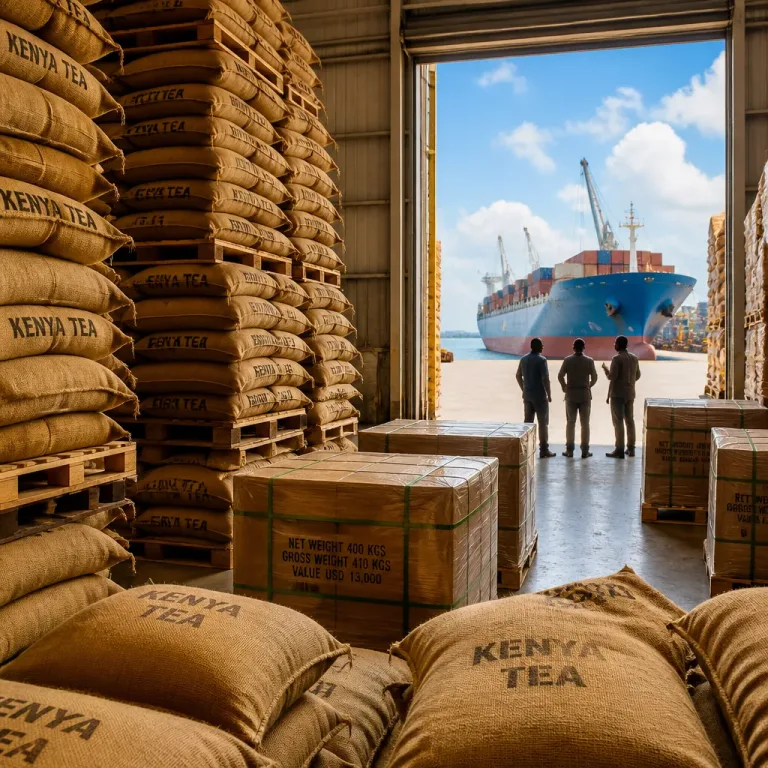
Trade-facing businesses should remain alert to the risk of import delays caused by geopolitical tensions. Sectors that depend heavily on imported inputs — including manufacturing, retail and certain agricultural inputs — are the most exposed to shipping and logistics disruptions reported by S&P Global.
Outlook
July’s PMI points to a tentative improvement in private-sector activity but leaves significant downside risks. If oil prices firm and supply-chain bottlenecks persist, the modest gains seen in output and price pressures could be reversed, constraining employment and investment. Conversely, a sustained moderation in fuel costs and a stabilisation of global trade routes would help cement the recovery and support firms to convert output gains into stronger order books.
S&P Global’s commentary places the balance of risk with external developments. For households paying close attention to inflation and job prospects, the message is cautious: the economy is nudging into growth, but it is not yet broad or secure enough to translate quickly into widespread job creation or large increases in real incomes.