The World Health Organization (WHO) has issued a fresh warning that smoke from wildfires represents a mounting public health threat because it can travel long distances and affect communities far from burning areas.
Fine particles and toxic gases reach distant populations
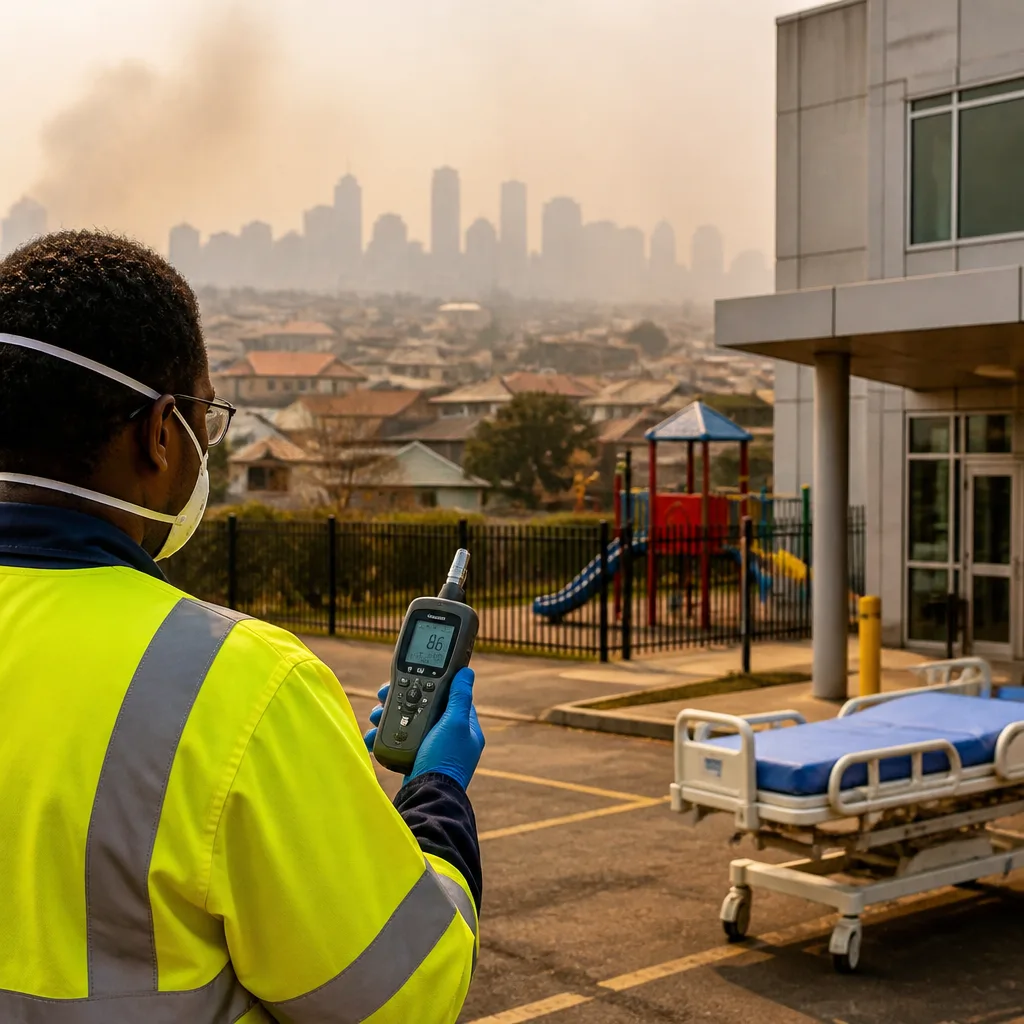
According to WHO, smoke produced by fires burning vegetation, buildings and other materials contains a complex mix of gases and very small particles. Of particular concern is PM2.5, fine particulate matter small enough to penetrate deep into the lungs and enter the bloodstream.
Exposure to this pollution can trigger symptoms such as coughing, eye and throat irritation, headaches, wheezing and shortness of breath. WHO cautions that smoke also has the potential to worsen chronic conditions like asthma and heart disease.
When wildfires extend into urban or industrial zones they can release additional hazardous chemicals, further increasing health risks for populations that may be many kilometres from active flames. Because smoke can linger for days or weeks, poor air quality may persist even after fires are contained.
Who is most at risk?
WHO highlighted groups that face greater danger from smoke exposure. These include:
- Infants and young children
- Older adults
- Pregnant women
- People with disabilities
- Residents of poorly insulated homes
- Emergency responders and outdoor workers because of prolonged exposure
The agency also emphasised that psychological harm is a likely consequence of wildfire events, citing increased stress, anxiety and trauma both during and after emergencies.
| Hazard | Health impact |
|---|---|
| PM2.5 | Deep lung penetration; worsens respiratory and heart conditions |
| Toxic pollutants from urban/industrial fires | Additional chemical exposures with potential acute effects |
Climate drivers and human actions
WHO linked the growing frequency and intensity of wildfires to a combination of factors. Climate change, extended heatwaves and drought create hotter, drier landscapes that allow fires to ignite and spread more readily. The agency also noted that many fires are started by human activity, while shifts in land-management practices can further influence fire behaviour.
"When wildfires are present in your area, even if some distance away, follow instructions from your local authorities, who will have the most up-to-date, on-the-ground information," WHO expert Dorota Jarosinska said.
The WHO guidance urges people to heed local advice and to treat the smell of smoke as an early warning sign of harmful air. Practical measures can reduce exposure, such as staying indoors with windows and doors closed, using air filters where available, and avoiding strenuous outdoor activity while air quality is poor.
Implications for South Africa
While the WHO commentary focused on wildfires in parts of Europe and North America, the message has resonance for South Africa, where fire seasons and extreme weather events are shifting in frequency and intensity. Health services may see increased demand for acute respiratory care during prolonged smoke events, and public health messaging will need to reach the most vulnerable households, including people living in poorly insulated dwellings.
Emergency teams and outdoor workers require strengthened protective measures and planning to limit prolonged exposure. Mental-health support should also be part of post‑event responses, given the psychological toll WHO has identified.
As the climate continues to change, WHO’s warning underscores the need for integrated action across health, environment and emergency services to reduce exposure risks and to protect communities even when fires burn far away.