The Pharmaceutical Manufacturers Association of South Africa (Pharmisa) has told Parliament that the country’s illicit pharmaceutical market is expanding and now involves healthcare professionals, a development the industry group says is undermining patient safety and domestic manufacturing capacity.
Industry raises alarm at parliamentary briefing
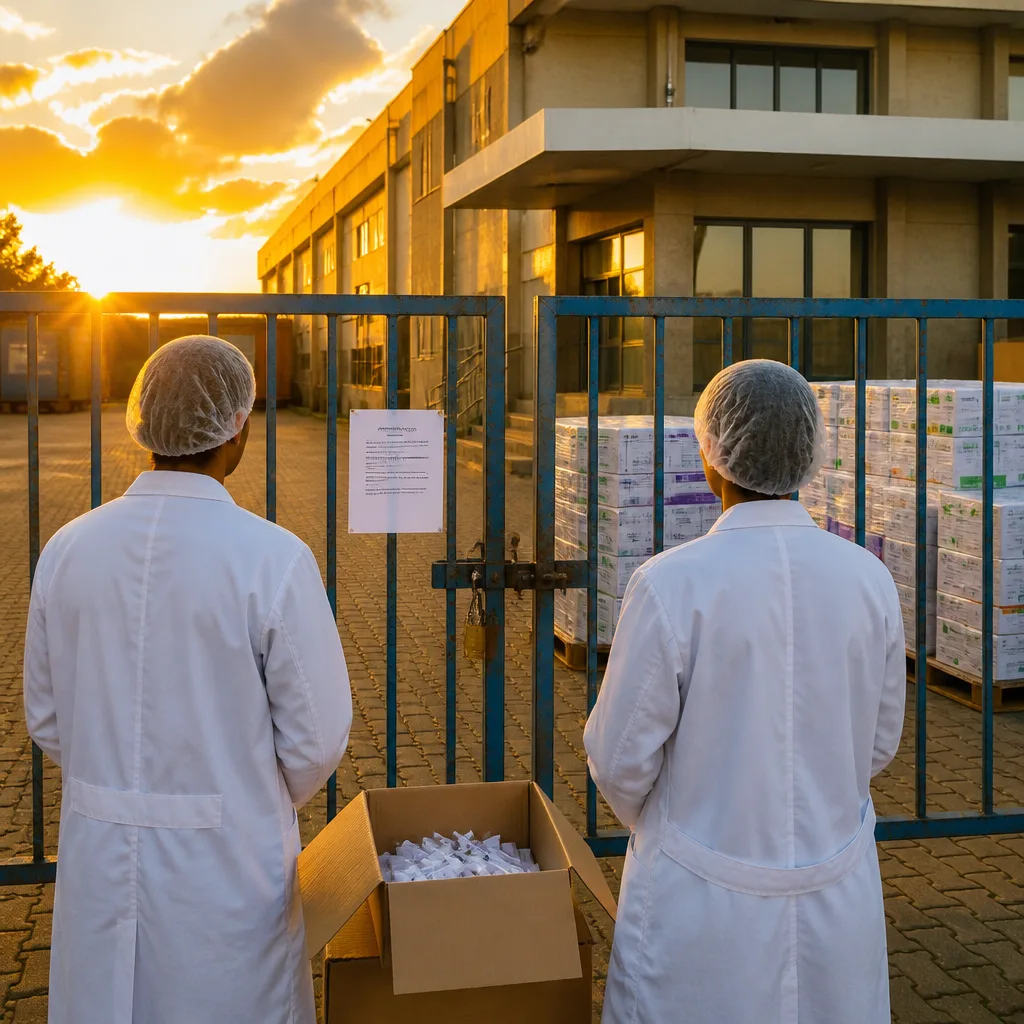
Pharmisa chairperson Stavros Nicolaou highlighted the trend during a presentation to Parliament’s Standing Committee on Trade, Industry and Competition, which is receiving submissions on the Industrial Development Strategy. He said the sector faces sustained volatility that has forced contract manufacturers to close or suspend production of key medicines.
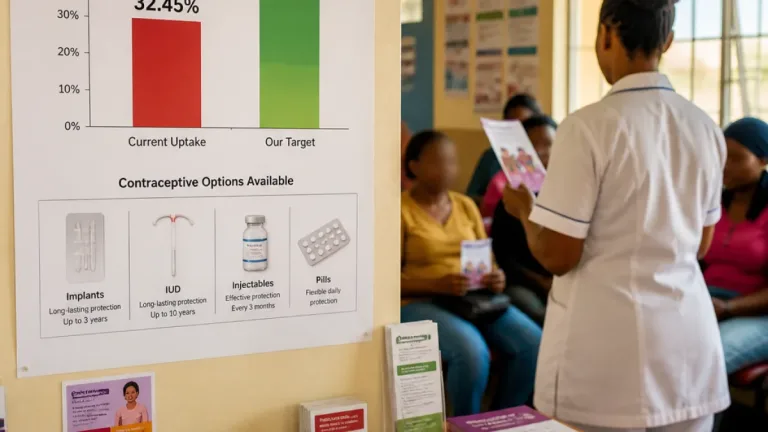
According to Pharmisa, closures among contract manufacturing organisations (CMOs) have affected producers of oral contraceptives and penicillin formulations. Nicolaou said the industry could lose as many as 3 200 jobs, representing roughly a quarter of the manufacturing workforce, if current conditions continue.
| Metric | Figure |
|---|---|
| Potential job losses | 3 200 |
| Share of manufacturing workforce at risk | ~25% |
Compounding and semaglutide highlighted as examples
Nicolaou singled out the proliferation of semaglutide — the active ingredient in the diabetes drug Ozempic, which has also been used for weight loss — as an example of healthcare practitioners operating outside legal bounds. He said compounding pharmacies have been sourcing active ingredients and preparing injectable products at scale, a practice he said is not permitted.
“The illicit trade taking place, even by healthcare professionals themselves, is terrifying to say the least,”
“The system is being abused. Compounding pharmacies are sourcing active ingredients such as semaglutide and compounding them into injectable products. The law does not allow these products to be manufactured at scale or supplied en masse,”
Legal action has already been taken in at least one high‑profile case: the Gauteng High Court granted an interim interdict in favour of Novo Nordisk against a company called iDexis, preventing the firm from compounding and supplying semaglutide injections while litigation continues.
Regulatory and public‑health implications
Pharmisa urged urgent co‑ordinated action by relevant government agencies to curb the illicit market. The association warned that, beyond immediate risks to patient safety from unregulated products, the erosion of local manufacturing capacity could reduce the country’s resilience to supply shocks and undermine efforts to secure essential medicines.
The association’s submission to Parliament also places the issue within the broader Industrial Development Strategy debates, arguing that preserving and strengthening domestic pharmaceutical manufacturing requires enforcement against illegal suppliers and clarity on the appropriate role of compounding pharmacies.
- Patient safety: Unregulated compounding and counterfeit products pose infection and dosing risks.
- Industry stability: Factory closures and suspended operations threaten employment and local supply chains.
- Regulatory enforcement: Pharmisa calls for coordinated action by agencies to tackle illicit trade.
Parliament’s committee is receiving a range of stakeholder submissions this week on industrial policy. Pharmisa’s warnings put pharmaceutical regulation and enforcement squarely on the agenda amid concerns about illicit manufacturing and the integrity of supply chains for critical medicines.
As the legal proceedings against iDexis proceed, the industry group’s presentation underscores a tension: while compounding pharmacies play a legitimate role in producing patient‑specific medicines, industry representatives say that mass production and widespread distribution of compounded injectable products cross legal and safety boundaries.
The developments will be followed closely by health regulators, manufacturers and clinicians as Parliament considers how industrial policy and enforcement can protect both jobs and public health.