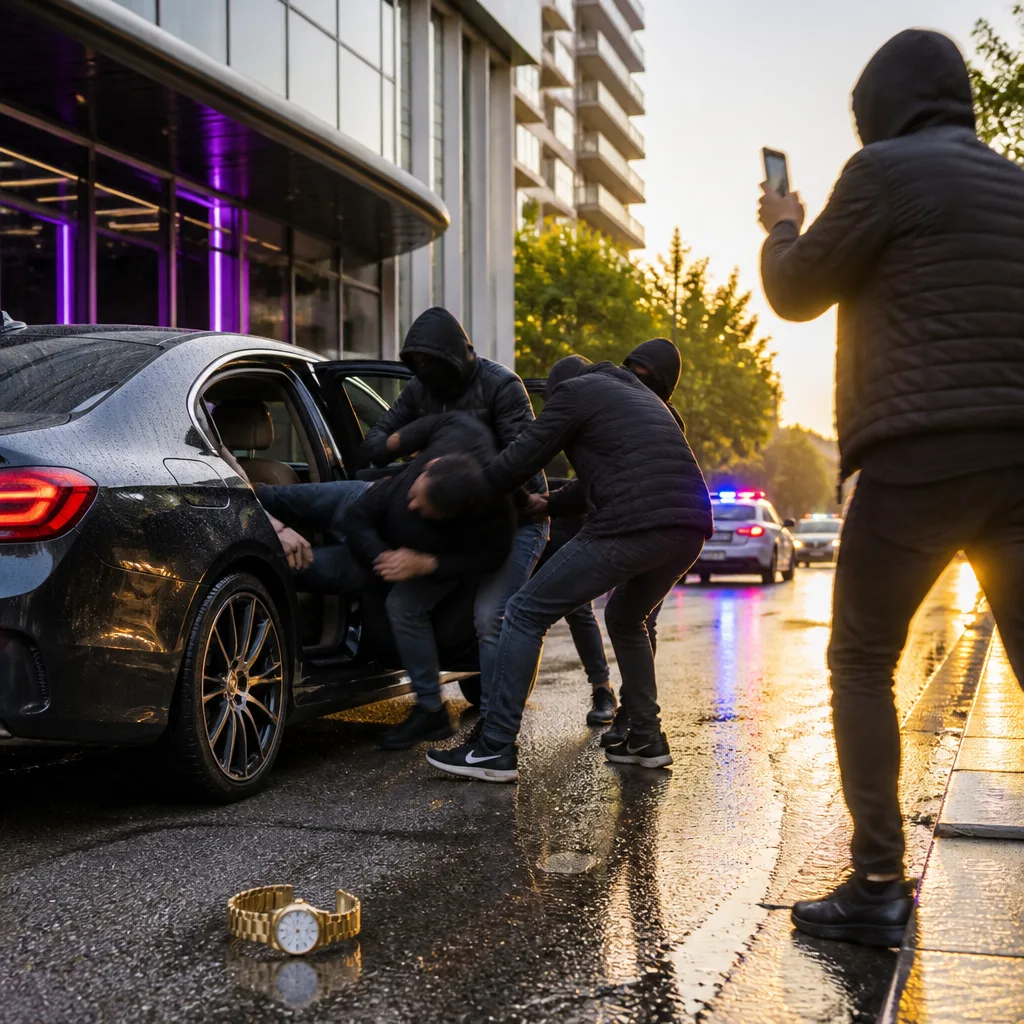
Royale Union Saint-Gilloise forward Mohammed Fuseini was the victim of a violent street robbery in central Brussels in the early hours of Sunday after leaving a nightclub, according to AFP reporting and statements from the club and Brussels prosecutors. The 24‑year‑old Ghanaian international was forcibly pulled from his vehicle on Avenue Louise at about 06:30 and had a Rolex watch and his mobile phone stolen by five hooded assailants.
Why this matters
The incident underlines the risks faced by professional players travelling late at night in major European cities and highlights how mobile-phone footage can accelerate police action. For African nationals playing abroad, such events prompt questions about personal security, club duty of care, and wider crime patterns in urban centres frequented by nightlife.
According to AFP, a team‑mate who was walking behind Fuseini recorded the attack on a mobile phone. That footage reportedly assisted investigators and led quickly to an arrest. The Brussels Public Prosecutor’s Office confirmed a 23‑year‑old suspect has been remanded in custody at Haren prison after authorities recovered stolen items at his residence, reported Het Laatste Nieuws and cited by the prosecutor’s office.
“Three individuals fell victim to a violent robbery while heading to their vehicle in Brussels. According to initial findings from the investigation, several individuals attacked them and stole various valuables, including watches, phones, and personal belongings,” the Brussels Public Prosecutor’s Office said, quoted by Het Laatste Nieuws.
Club response and the player’s condition
Royale Union Saint‑Gilloise said the footage was “particularly disturbing.” The club confirmed Fuseini was taken to hospital for a check‑up, received care from the Brussels police, and that his injuries were minor. The statement added he had resumed training the following day.
The suspect’s lawyer, Samuel Rosenblatt, confirmed his client’s detention on charges of gang robbery with violence but declined to comment further while the judicial investigation continues.
Facts recovered from the investigation
- Attack location: Avenue Louise, Brussels, near the "Bloody Louis" nightclub
- Time of attack: about 06:30 on Sunday morning
- Victim: Mohammed Fuseini, 24, Ghana international and Royale Union Saint‑Gilloise forward
- Assailants: five hooded men who dragged Fuseini from his parked car
- Stolen items: mobile phone and a Rolex Datejust valued between €8,000 and €14,000
- Judicial action: 23‑year‑old suspect remanded at Haren prison; stolen items recovered at suspect’s home
| Item | Reported value / status |
|---|---|
| Rolex Datejust | €8,000–€14,000 (reported stolen; later recovered at a suspect’s residence) |
| Mobile phone | Stolen (recovered at suspect’s residence, per prosecutor) |
Police and the prosecutor have characterised the case as a violent gang robbery. The suspect is being pursued on those charges while investigators continue to establish the involvement of others. The suspect’s lawyer said his client accepts the gravity of the allegations and regrets them, but offered no further details as the inquiry proceeds.
Context and consequences
High‑profile robberies targeting athletes and celebrities in European capitals are not new, but the ready availability of bystander video increasingly changes how investigations unfold. Rapid identification of suspects from footage can shorten investigative timelines and aid evidence gathering, but also raises questions about crowd safety and the responsibilities of clubs to provide secure transport and guidance to players.
For South African and other African players based in Europe, the case is a reminder of the potential dangers when returning to hotels or cars after late events. It may prompt clubs and agents to review travel arrangements and security protocols ahead of the new season. For the legal process in Belgium, the arrest and remand indicate prosecutors are treating the incident as organised violent robbery, which can carry significant penalties if convictions follow.
Fuseini’s club has thanked the Brussels police for their “outstanding work,” and the forward’s quick return to training suggests no lasting physical harm. The judicial process will determine whether additional arrests are made and how the case proceeds to court.