The World Health Organization (WHO) will host an EPI‑WIN webinar on 12 August 2026 to outline how health systems and communities can prepare for the anticipated health consequences of El Niño, the agency said in programme material released ahead of the event.
El Niño and the health risks
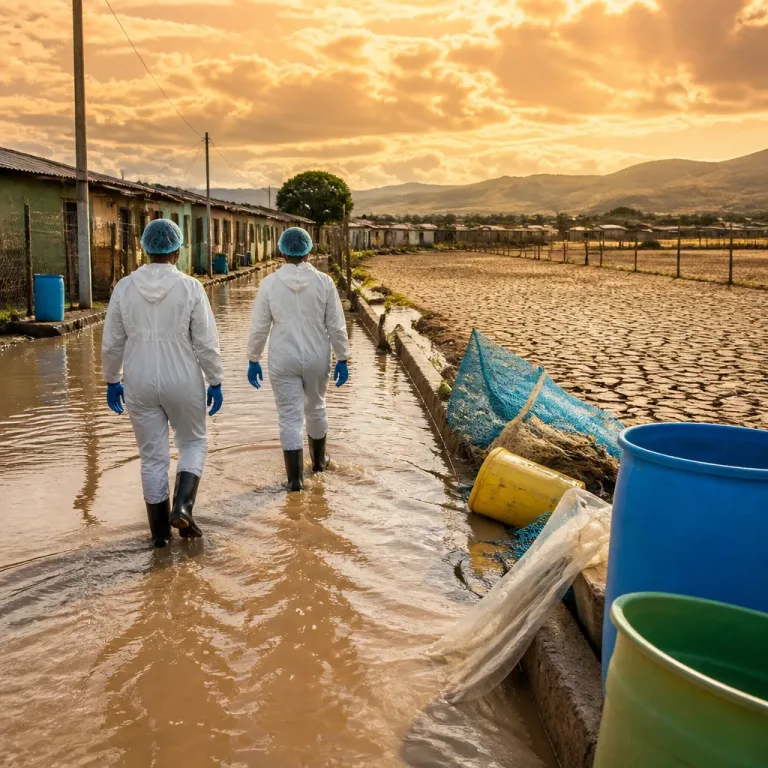
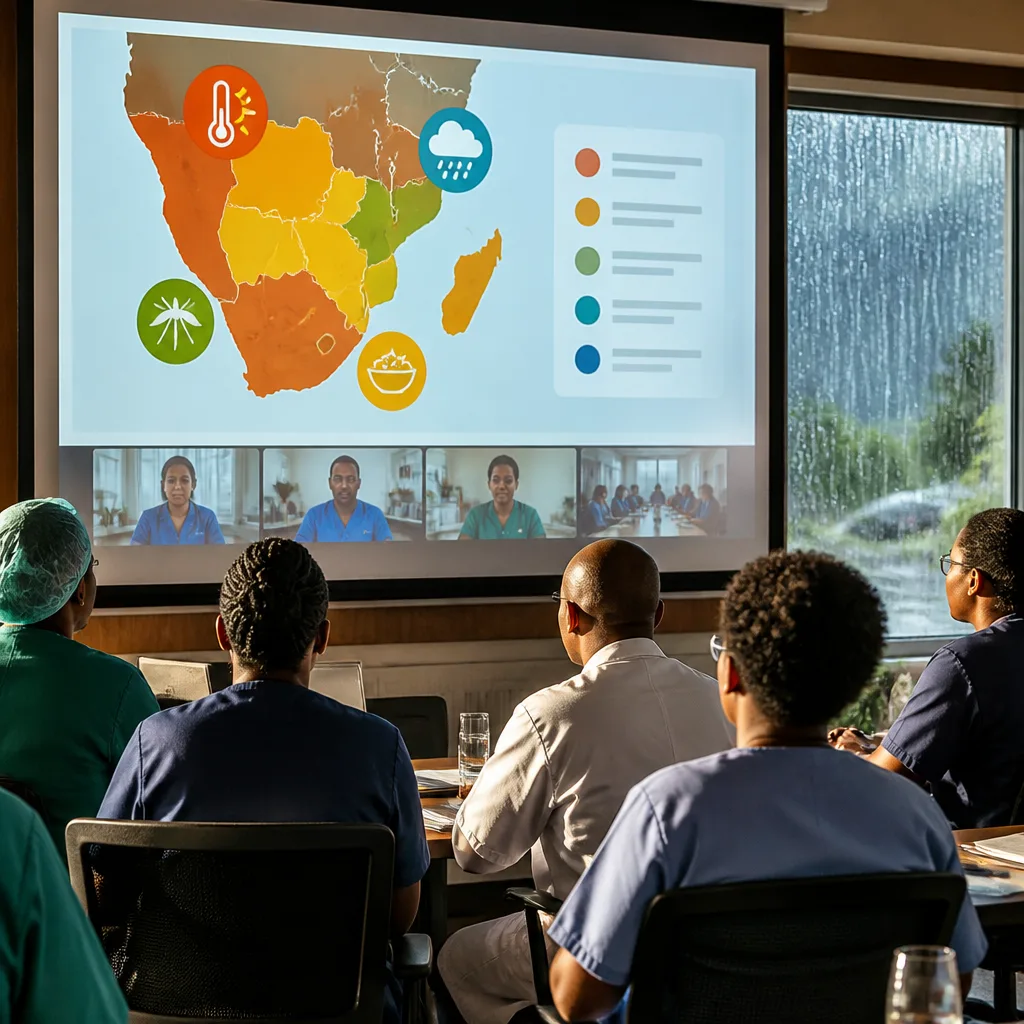
WHO describes El Niño as a natural climatic pattern that can shift weather across the globe, increasing the probability of extreme heat, drought, flooding, wildfires and intense storms. These conditions can have wide-ranging effects on health, the organisation says, including:
- heat-related illness;
- waterborne and vector-borne diseases (transmitted via contaminated water and disease vectors such as mosquitoes);
- malnutrition linked to crop failure and food insecurity;
- mental health impacts arising from displacement, loss and disruption; and
- interruptions to essential health services.
In its webinar briefing, WHO emphasises that as climate-driven health threats grow, anticipatory planning and preparedness are critical to reducing preventable illness and service disruption.
Webinar aims and speakers
The online session is framed around three principal aims: identifying priority public health threats associated with El Niño, discussing measures to bolster emergency preparedness and anticipatory action, and showcasing concrete country-level examples of measures taken in past events. The webinar also seeks to encourage cross-sector collaboration to limit health impacts.
Presenters listed in WHO’s agenda include specialists from the agency’s Health Emergencies Programme. Sessions will feature a global risk analysis of El Niño and health presented by Dr Teresa Zakaria and Dr Heather Carlson (Risk Reduction, Humanitarian Operations and Climate Change), and a regional perspective on accelerating health-sector readiness for the 2026–2027 El Niño by Dr Alex Camacho (WHO/PAHO). Additional contributions will highlight efforts to enhance climate resilience and environmental sustainability at facility level, drawing on experience in the Lake Chad Basin.
Implications for South Africa
While WHO’s materials do not single out countries, the hazards described are directly relevant to South Africa’s health services and communities. The range of likely impacts underscores the need for preparedness across primary care, emergency medicine, nutrition programmes, vector control and mental health services. Anticipatory measures could include strengthening surveillance, prepositioning supplies, targeted risk communication, and interdepartmental coordination between health, water and disaster management authorities.
WHO frames the webinar as a knowledge‑sharing platform to spotlight practical, evidence-based actions that individuals, health workers, communities and local authorities can take before and during El Niño to lower health risks.
What the webinar will cover
Key agenda items listed by WHO are:
- an introduction from EPI‑WIN science and knowledge translation;
- a global risk analysis of El Niño and health;
- a presentation on accelerating operational readiness in the health sector for 2026–2027;
- examples of facility-level climate resilience and environmental sustainability measures.
| Health risk | Examples of consequences |
|---|---|
| Heat | Heatstroke, worsened chronic illness |
| Waterborne disease | Diarrhoeal outbreaks after floods |
| Vector-borne disease | Rise in mosquito-borne infections |
| Malnutrition | Food insecurity, child growth faltering |
WHO’s EPI‑WIN webinars are intended to translate scientific risk analysis into actionable steps for health actors. For South African health managers, the session offers an opportunity to align local preparedness with international guidance and to learn from examples of hospital and community resilience highlighted by the agency.
Registration details and the full programme are available in WHO’s event listing.