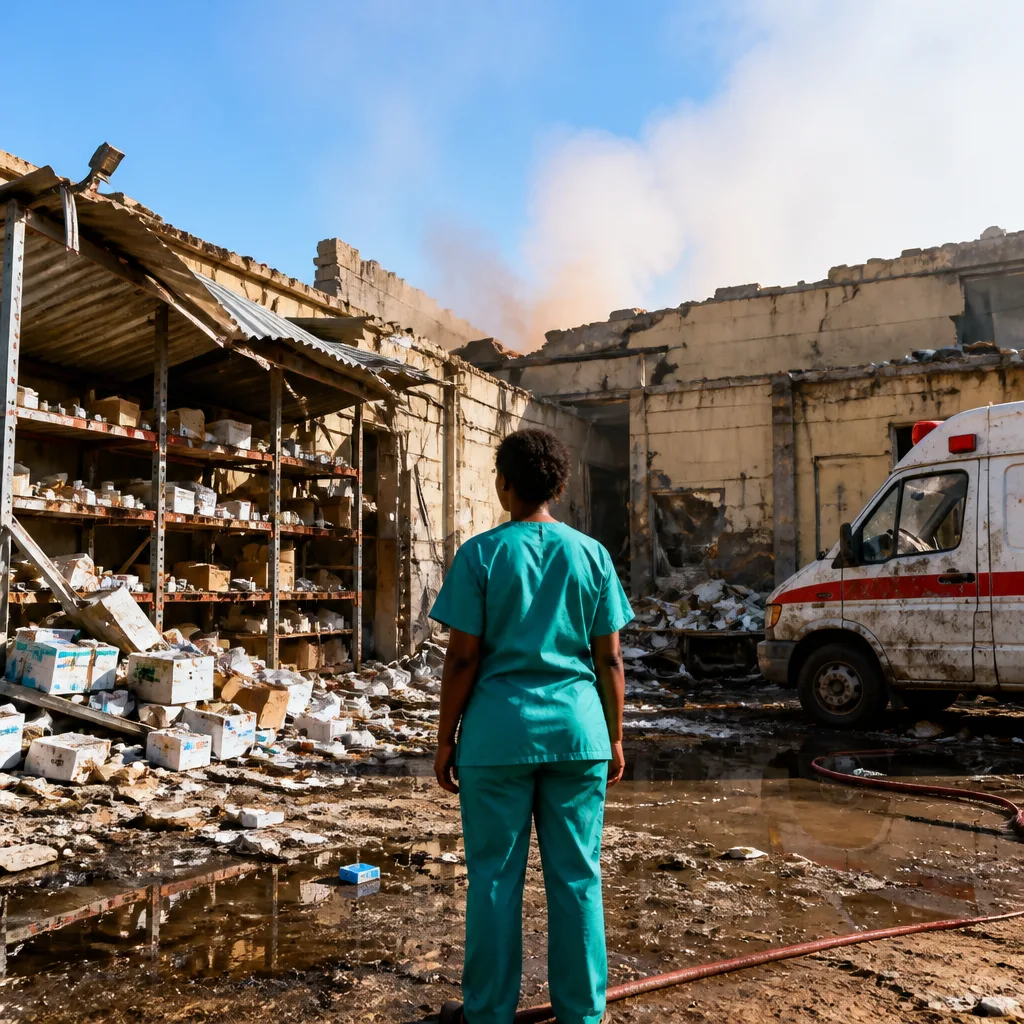
Gaza’s Health Ministry has warned that the territory’s already fragile medical system is rapidly approaching collapse after Israeli strikes destroyed warehouses holding essential medicines and supplies at Al‑Aqsa Martyrs Hospital, according to Anadolu News Agency reporting on 1 August 2026.
Destruction of storage facilities worsens shortages
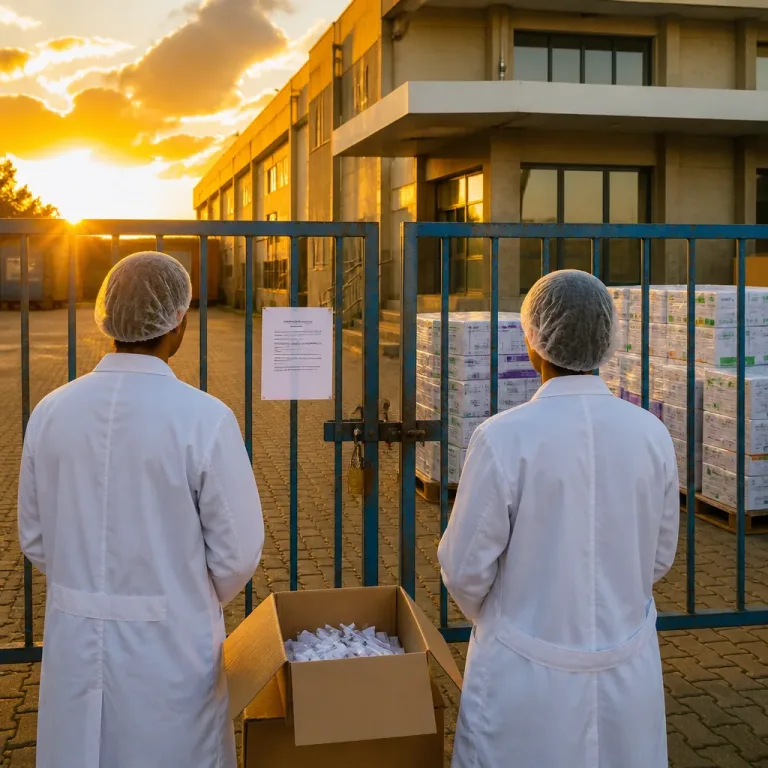
The ministry reported that two warehouses containing critical pharmaceuticals and medical consumables were destroyed and two others were severely damaged in attacks on storage areas at the hospital in Deir al‑Balah. The strikes reportedly included the targeted destruction of a drug store serving the kidney department located behind the outpatient building.
Munir Al‑Bursh, director general of Gaza’s Health Ministry, described the damage as a direct hit to an already depleted supply chain and warned that the loss of these stocks will further reduce treatment options for thousands of patients across the enclave.
“The war here is not only targeting buildings, but also medicine, treatment and people’s chance to stay alive,” Al‑Bursh said, according to Anadolu.
Shortages and equipment failures
The ministry outlined the scale of shortages affecting Gaza’s health sector before the latest strikes:
- 51% shortage of essential medicines
- 59% shortage of medical consumables
- 22.5% of laboratory equipment non‑functional due to lack of spare parts
Those shortfalls leave hospitals and clinics with severely limited ability to provide routine care, manage chronic conditions and respond to trauma and emergency cases. Health officials said the destruction of central drug stores will deepen the humanitarian crisis and accelerate the breakdown of services.
Impact on hospitals and patient care
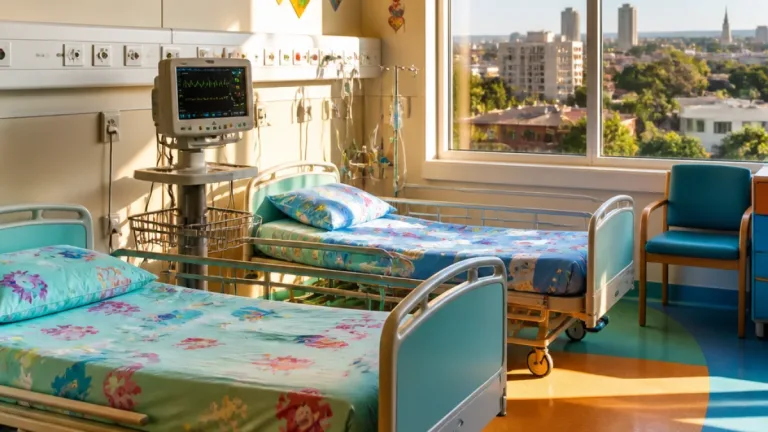
Al‑Aqsa Martyrs Hospital is one of the few government hospitals still operational after widespread damage across the territory during the military campaign that began on 8 October 2023. The facility has sustained repeated damage and casualty events during the conflict, the ministry said.
By removing stocks intended for departments such as nephrology, the strikes risk interrupting lifesaving treatments, including dialysis and other specialised care. Hospital administrators and clinical staff, who are already working under extreme conditions, face the prospect of rationing remaining supplies and prioritising emergency procedures over continuing care for chronic patients.
Calls for protection and adherence to humanitarian law
The Health Ministry has called for protection for medical facilities, warehouses and supplies under international humanitarian law, emphasising that medicine and equipment designated for civilian healthcare must not be targeted. The ministry framed the destruction as not only a military act but a blow to civilians’ right to health.
Humanitarian agencies and international observers have repeatedly warned that attacks on health infrastructure have cascading effects, reducing capacity to treat the wounded, maintain immunisation programmes, manage infectious disease outbreaks and care for patients with long‑term conditions.
What this means for patients
Clinics and hospitals across Gaza will be forced to adapt to dwindling inventories and non‑functional laboratory tools. Patients dependent on continuous treatment—such as those requiring dialysis, chemotherapy or chronic medication—are particularly at risk of interruptions that can have immediate and long‑term health consequences.
| Area | Situation before new strikes |
|---|---|
| Essential medicines | 51% shortage |
| Medical consumables | 59% shortage |
| Laboratory equipment | 22.5% out of service |
The ministry warned that the loss of warehouse stocks will magnify these deficits and called on parties to the conflict and the international community to ensure the safety of medical supplies and facilities.
Reporting for Anadolu provided the account summarised here. South African and international health and humanitarian agencies continue to monitor developments as the situation unfolds.