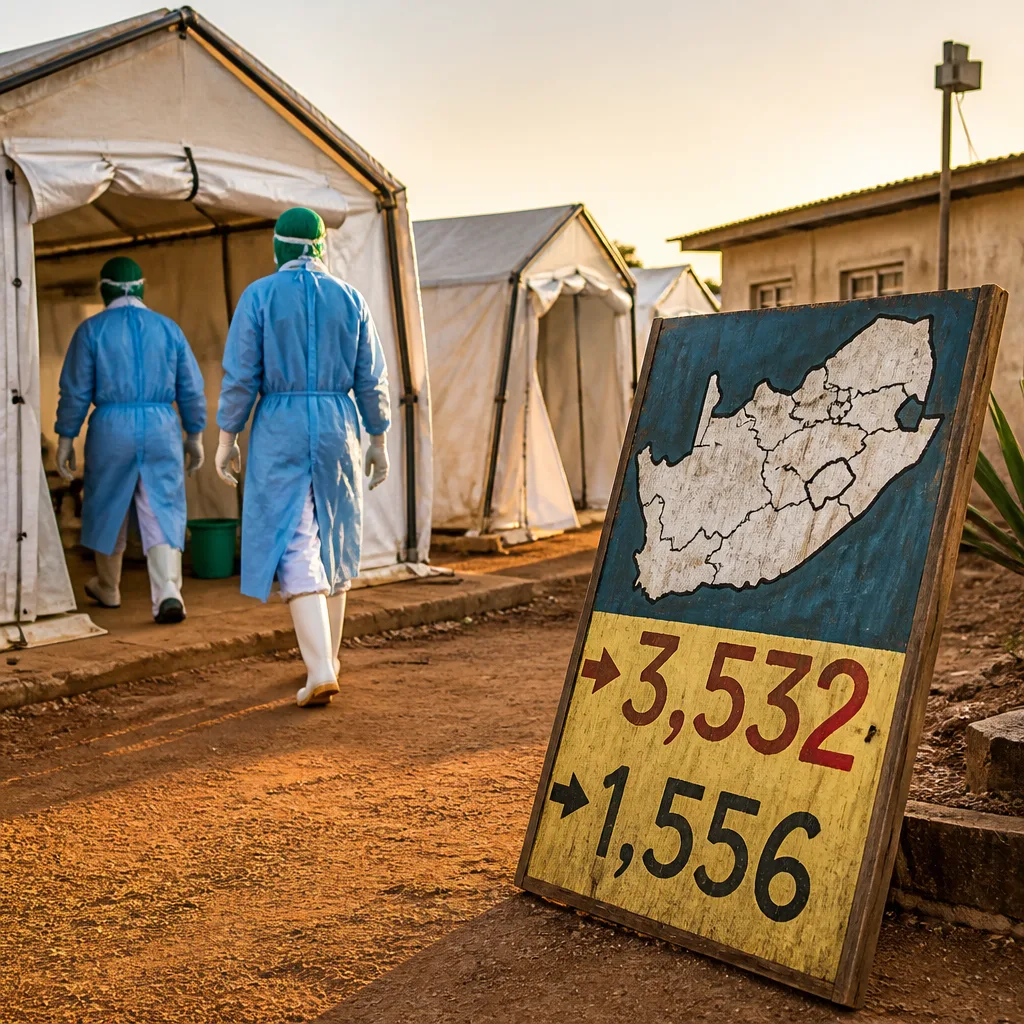
The Democratic Republic of the Congo (DRC) is facing an escalating Ebola epidemic that has now become the second-largest outbreak on record, government figures showed on Friday. The ministry reported 3,532 confirmed cases and 1,556 deaths, surpassing the 3,481 infections recorded in the country’s 2018–2020 outbreak.
Where this outbreak stands
According to the Congolese authorities, the latest totals place the current epidemic behind only the 2014–2016 West Africa epidemic in scale. The World Health Organization (WHO) records that the West Africa outbreak resulted in 28,616 confirmed cases and 11,310 deaths across Guinea, Liberia and Sierra Leone.
| Outbreak | Confirmed cases | Deaths |
|---|---|---|
| Current DRC outbreak (to date) | 3,532 | 1,556 |
| DRC 2018–2020 outbreak | 3,481 | N/A |
| West Africa 2014–2016 | 28,616 | 11,310 |
Barriers to containment
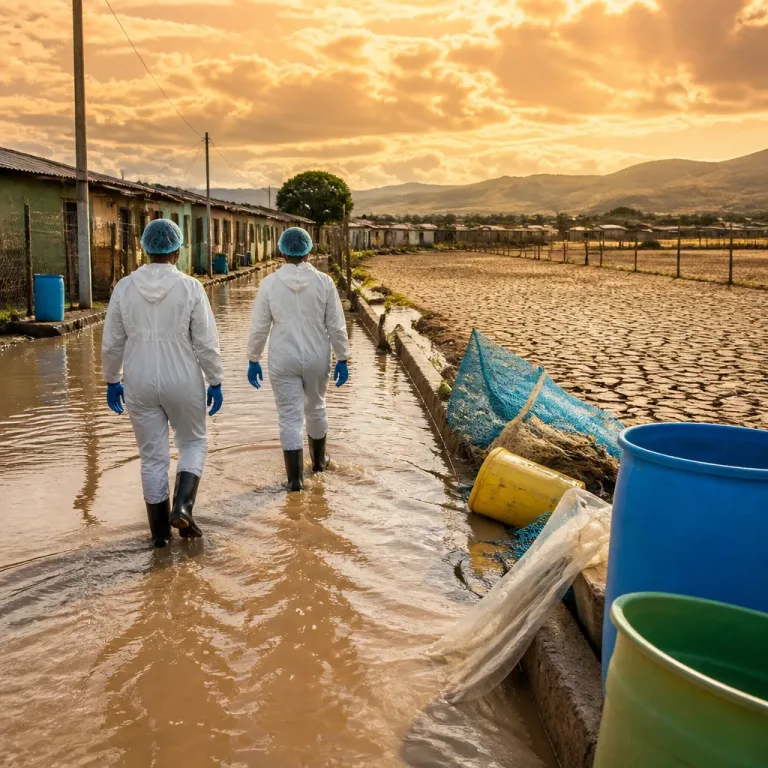
The Congolese government and international health agencies have continued efforts to curb transmission, but the outbreak has proved difficult to control. The source material highlights several structural and operational challenges that have hindered response measures:
- Insecurity in affected areas, which disrupts surveillance, contact tracing and vaccination campaigns;
- Weak health infrastructure that limits access to timely care and isolation facilities for patients;
- Lack of an approved vaccine for the specific Bundibugyo strain implicated in this outbreak, complicating prevention strategies.
These constraints have allowed infections to continue rising despite ongoing containment work. Health workers face the twin pressures of delivering clinical care and trying to maintain routine surveillance and community engagement in difficult conditions.
Implications for the region and health systems
An outbreak of this magnitude places severe strain on local health services and diverts resources from other urgent needs. For clinics and hospitals in affected provinces, increased patient loads, the need for strict infection‑prevention measures, and the requirement for specialised personal protective equipment all amplify operational costs and complexity.
From a public‑health perspective, the absence of an approved vaccine for the Bundibugyo strain reduces the tools available to halt chains of transmission. Vaccination played a notable role in limiting spread during previous Ebola responses; without a targeted vaccine, authorities must rely more heavily on case finding, isolation, safe burials and community cooperation.
The reported numbers also underline the ongoing importance of rapid, well‑resourced international support when large outbreaks arise in settings with fragile health systems. WHO and partner organisations typically provide technical assistance, laboratory support and supplies, but the effectiveness of those interventions depends on secure access and strong local cooperation.
As health services in the region manage the immediate clinical burden, the wider humanitarian and social consequences warrant attention: families affected by Ebola need sustained medical care, psychosocial support and reliable information to reduce stigma and encourage early presentation to treatment centres.
For now, the Congolese government’s figures serve as a sobering reminder of how outbreaks can expand when health systems are stretched and targeted medical countermeasures are unavailable. Continued monitoring by national authorities and WHO will be essential to track the epidemic’s trajectory and guide the allocation of response resources.
Further updates will depend on official releases from the DRC ministry and international agencies as they report new case and death totals, and as more detail emerges about control measures being deployed in affected provinces.