
The U.S. State Department has issued a new travel warning for the Middle East, urging American citizens in the region to be prepared to depart as flight cancellations, periodic airspace closures and other travel disruptions continue, according to reporting by USA TODAY with contributions from Reuters.
What the alert says
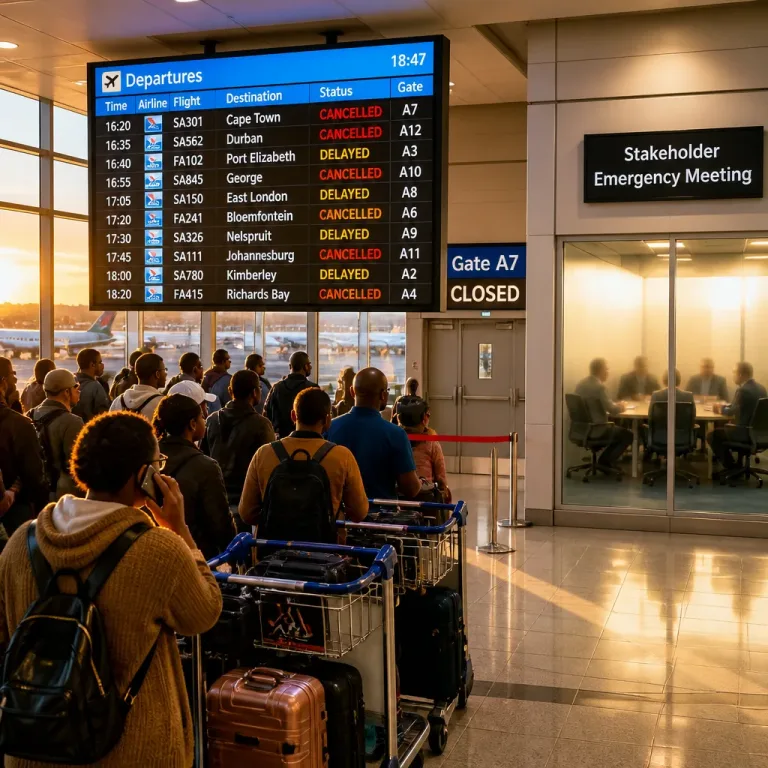
The advisory, posted on X on 1 August, told Americans to exercise "caution and heightened vigilance" and warned that some airlines had postponed resumption of earlier schedules or cancelled routes. It advised those already in the region to consider departing or at least be ready to do so should conditions escalate.
"Americans currently in the Middle East should exercise caution and heightened vigilance and should be prepared for flight cancellations, periodic airspace closures, and potential travel disruptions."
The State Department has issued a number of similar travel notices since the war with Iran began in February, the report said, including a worldwide caution alert in July and a prior global advisory in March. Those advisories followed disruptions that left some travellers sheltering in hotels and stranded on cruise ships.
Practical steps for travellers
While the advisory is directed at U.S. citizens, the broader travel market faces knock-on effects — airlines changing schedules, closed airspace and shifting diplomatic responses can affect flights to and from the region regardless of nationality. The advisory reminded U.S. travellers they can register with the State Department’s Smart Traveler Enrollment Program (STEP) to receive updates and to make it easier for officials to contact them in an emergency.
- Monitor airline notices and airport operating information before travel.
- Consider altering travel plans to avoid or transit the region where possible.
- Register for government alerts such as STEP (for U.S. citizens) and subscribe to airlines’ communications.
Context and recent developments
The advisory arrives amid heightened tensions between the United States, Israel and Iran. The USA TODAY report noted a comment posted by former U.S. President Donald Trump on Truth Social on 1 August, saying he had agreed to cancel a new attack on Iran on condition of a rapid deal to curb Iran’s nuclear programme and reopen the Strait of Hormuz. The report added that Iran warned the U.S. against "adventurous action" and said it would retaliate decisively if American forces struck Iranian targets.
Those geopolitical dynamics are the backdrop to repeated travel advisories from the State Department since February. The pattern of notices highlights how regional security issues can quickly affect commercial aviation, cruise operations and the safety considerations travellers must balance.
| Date | Notice type | Notes |
|---|---|---|
| February 2026 onwards | Series of travel warnings | Issued as conflict with Iran began |
| March 2026 | Global advisory | Broader caution amid escalation |
| July 2026 | Worldwide caution alert | Followed ongoing instability |
| 1 August 2026 | Fresh Middle East warning | Advises preparedness to depart |
What this means for South African travellers
South Africans planning travel to the Middle East should watch airline schedules closely and check both their carrier’s updates and official advice from the Department of International Relations and Co‑operation (DIRCO). Even when advisories are issued by other countries, airspace restrictions or airline cancellations can affect flights worldwide, potentially resulting in last‑minute itinerary changes and extra costs.
Travel insurance policies often include exclusions for travel to areas under formal advisories; travellers should review their cover carefully and contact insurers if plans change. Where possible, flexible tickets or refundable fares will reduce the financial risk of sudden cancellations.
The latest report was compiled by USA TODAY, with Reuters contributing background reporting.