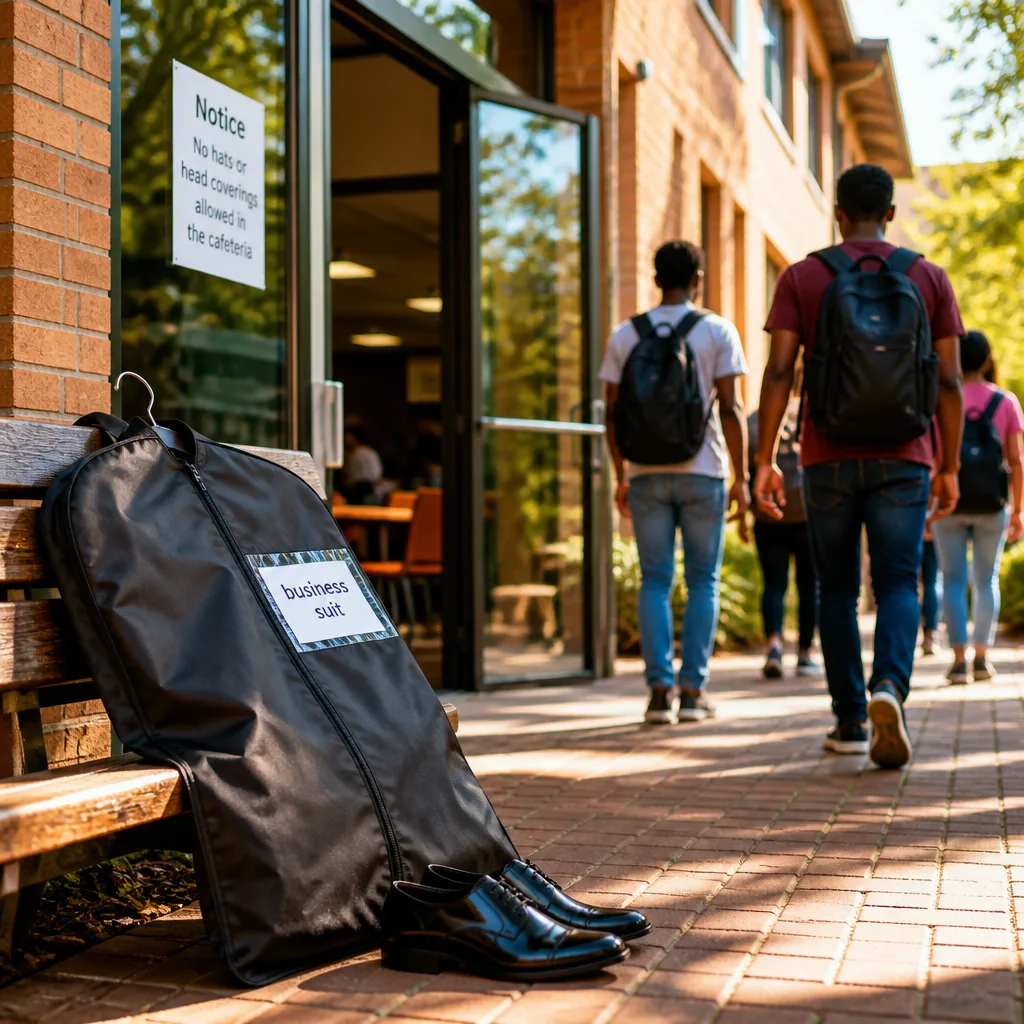
Tuskegee University has introduced a new student dress policy that obliges students to bring a business suit and dress shoes to campus and prohibits bonnets and du‑rags in classrooms and cafeterias except for specified exemptions, the university said on 2 August 2026.
Policy targets presentation in public and professional settings
The policy, announced by retired U.S. Air Force Maj. Gen. Dr Mark Brown, the university’s president and CEO, frames the changes as steps to create a more “professional educational environment” and to better prepare graduates for the job market. Under the rules, students are expected to dress professionally for classes, the cafeteria and official events such as convocation.
"The university has developed a new policy for student attire on campus, classroom attendance, and cell phone use in classrooms," Brown wrote in a message to students.
The guidance specifically requires students to bring a business suit and proper shoes for professional events and meetings. It also bans "bedroom shoes, bonnets, or du‑rags" in classrooms and the cafeteria unless head coverings are worn for religious, medical, cultural or university‑approved reasons, the message said.
What the rules say and exceptions
The policy frames its purpose as preparing students for workplaces where presentation can affect opportunity. It restricts revealing or sexually explicit clothing as part of broader standards of professional dress.
- Required: business suit and dress shoes for professional events and meetings.
- Prohibited (in classrooms and cafeterias): bonnets, du‑rags, bedroom shoes and revealing or sexually explicit clothing, except where exemptions apply.
- Exemptions: head coverings worn for religious, medical, cultural or university‑approved reasons.
A short table summarises the main points:
| Requirement | Where | Exceptions |
|---|---|---|
| Bring business suit and dress shoes | Campus for professional events/meetings | – |
| No bonnets or du‑rags | Classrooms and cafeterias | Religious, medical, cultural or university‑approved reasons |
| No bedroom shoes; limit on revealing clothing | Classrooms, cafeteria, official settings | – |
Business rationale and likely consequences
The university describes the changes as workforce preparation. In his message, Brown said employers are often less forgiving and that presentation can sometimes outweigh academic preparation. The policy therefore positions dress standards as part of students’ professional development.
For employers and recruiters, clearer signals about student presentation may simplify campus engagements such as interviews, career fairs and networking events. For students, however, the changes could raise practical and financial questions: suits and dress shoes represent an additional cost and a logistical requirement for learners who may be travelling from varied economic backgrounds.
Institutions that tie campus conduct to employability often need accompanying measures to avoid disadvantaging students. The announcement does not, in the text provided, outline support measures such as suit‑loan programmes, financial assistance or partnerships with employers to offset the added expense.
There is also potential for wider debate. Dress codes that touch on head coverings and cultural expression tend to prompt discussion about institutional identity, student autonomy and inclusivity. The university’s exemption for religious, medical and cultural reasons aims to address some of those concerns, but the scope of "university‑approved reasons" and how they will be applied was not detailed in the published message.
Context at an HBCU
Tuskegee is one of the nation’s most recognised Historically Black Colleges and Universities. Changes to student‑life policies at HBCUs often attract attention beyond campus boundaries because they intersect with issues of cultural expression, professional advancement and community expectations. The announcement signals a deliberate managerial approach to aligning campus presentation with perceived employer norms.
How the policy plays out in practice—whether it alters recruitment outcomes, prompts student pushback, or leads to support measures—will determine whether it achieves the stated aim of boosting workplace readiness without creating unintended barriers for students.
The university’s fall orientation guidance, the message added, expects students to arrive with business attire ready for professional engagement.