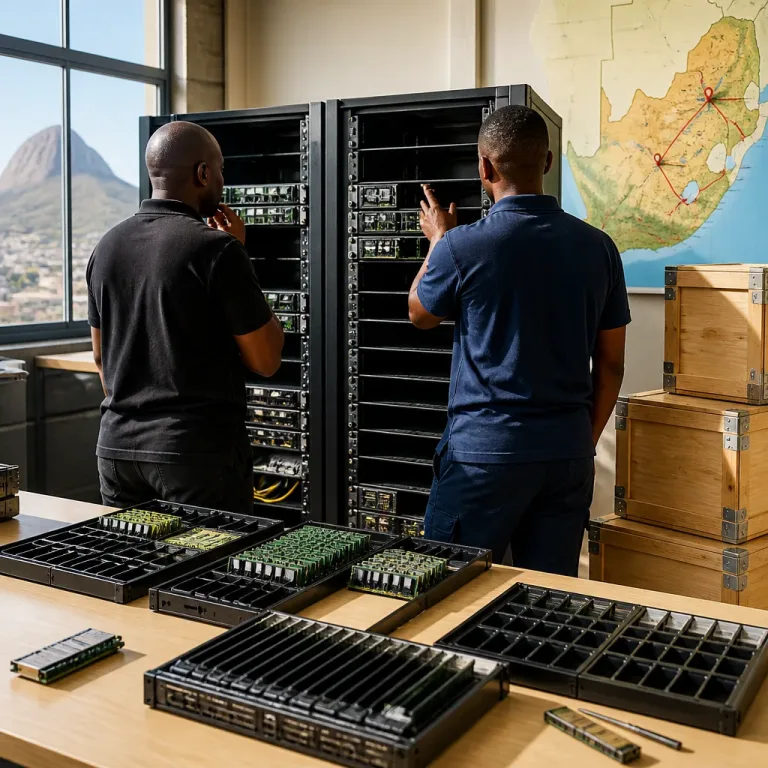
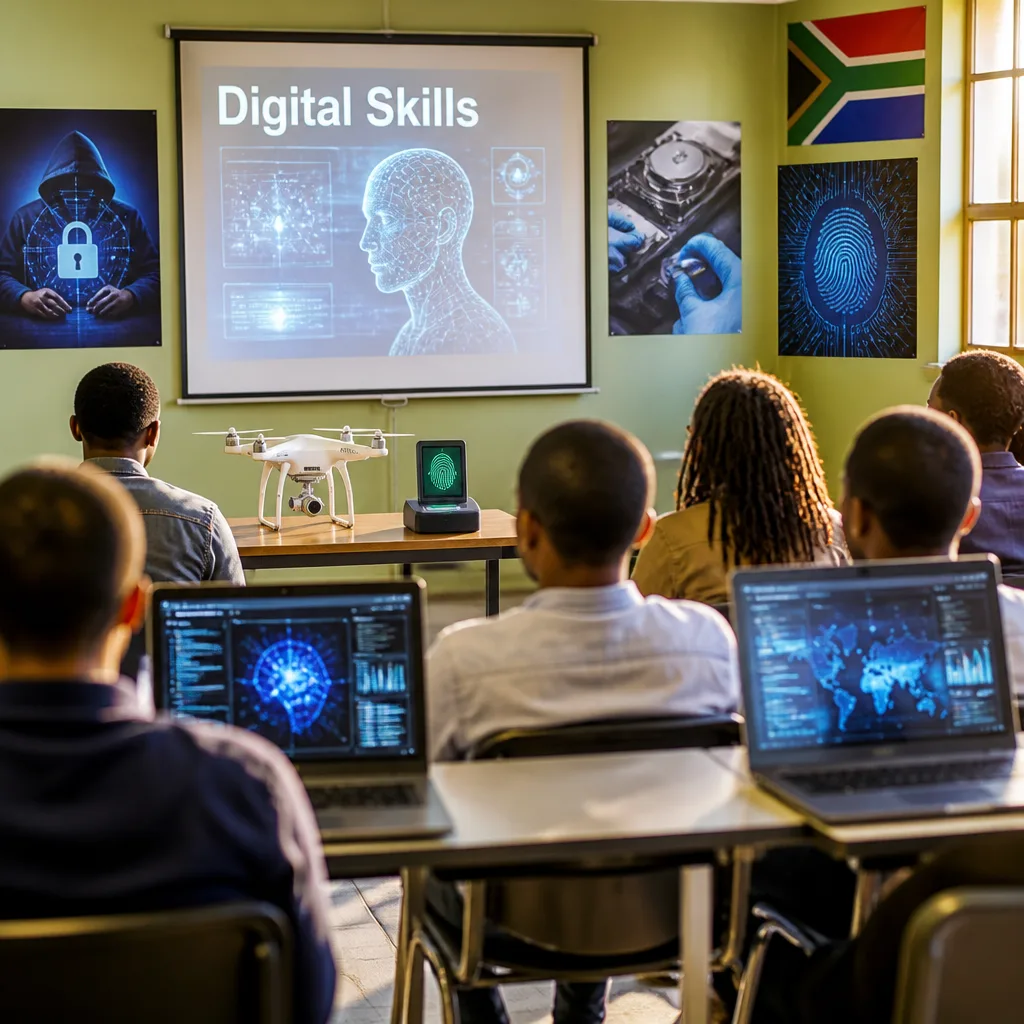
Technology will not on its own make South Africa safer, the acting CEO of the Safety and Security Sector Education and Training Authority (SASSETA) said, urging a national shift from procurement to people-centred investment.
Vukani Memela told reporters that developments such as artificial intelligence, digital forensics, biometric systems, drones, cybercrime investigation and smart surveillance are altering how the country prevents and responds to crime, administers justice and protects communities. But, he said, the potential gains will not be realised unless the workforce has the right competencies to use those tools.
"Technology alone cannot transform the safety and security sector. It is skilled people equipped with the knowledge to harness that technology who will shape a safer, smarter and more inclusive future."
From equipment to capability
Memela argued that the sector cannot rely on larger budgets or more personnel alone. Instead, the focus must shift to training that prepares workers for a rapidly changing, technology-driven environment. Digital literacy, data analysis, cybersecurity awareness and the ability to work alongside intelligent systems are described as core requirements rather than optional extras.
The acting CEO said the mandate of SASSETA extends beyond delivering conventional courses: it must build a workforce able to support a resilient, modern safety and security ecosystem. That includes people working across policing, private security, correctional services, legal services and emergency response, all of whom increasingly confront digital evidence and sophisticated cyber threats alongside traditional duties.
What this means in practice
Memela's remarks point to several practical shifts decision-makers must consider if technology is to improve outcomes:
- Revise curricula to include digital skills such as forensic data handling and AI oversight.
- Invest in ongoing professional development rather than one-off training initiatives.
- Ensure interoperability between technological systems and train users on cross-system workflows.
- Prioritise cybersecurity awareness across all roles, not only specialist units.
He emphasised that without these changes, investments in tools like drones or smart cameras risk producing limited returns: hardware and software must be matched by practical user capability.
| Technology | Primary operational impact |
|---|---|
| Artificial intelligence | Analysing large datasets; predictive analytics for crime patterns |
| Digital forensics | Interpreting digital evidence for investigations and prosecutions |
| Biometric systems | Identification and access control in secure environments |
| Drones | Remote reconnaissance, search-and-rescue and incident mapping |
| Cybercrime investigation | Responding to online offences and securing digital infrastructure |
Memela framed this as both a challenge and an opportunity. Technological innovation can boost efficiency, transparency and public safety — but only where people are trained to manage and interpret new systems. He called for training models that develop adaptability, critical thinking and the ability to work alongside intelligent systems.
The acting CEO's comments align with broader debates about digital transformation in South Africa, which increasingly emphasise not just access to technology but equitable capability development so that innovations do not exclude those without the right skills. For the safety and security sector, that balance will determine whether new tools strengthen justice and public safety or become underused line items on procurement lists.
As SASSETA considers its programme priorities, the authority faces the task of connecting classroom learning with operational realities in police stations, private security firms, correctional centres and emergency-response units — ensuring technology is matched by human competence across the national safety and security system.