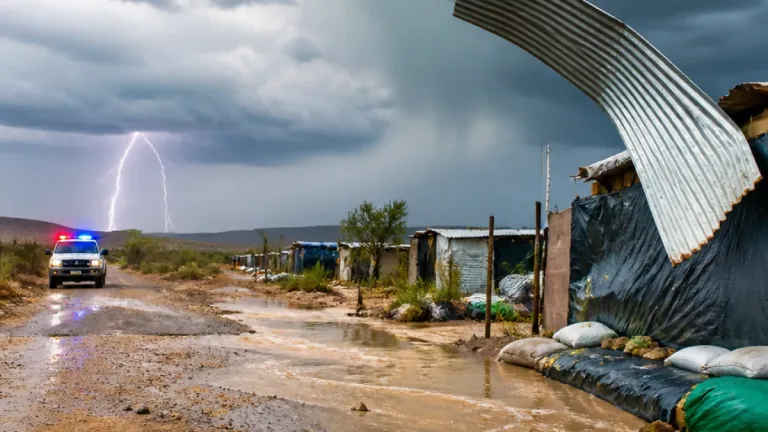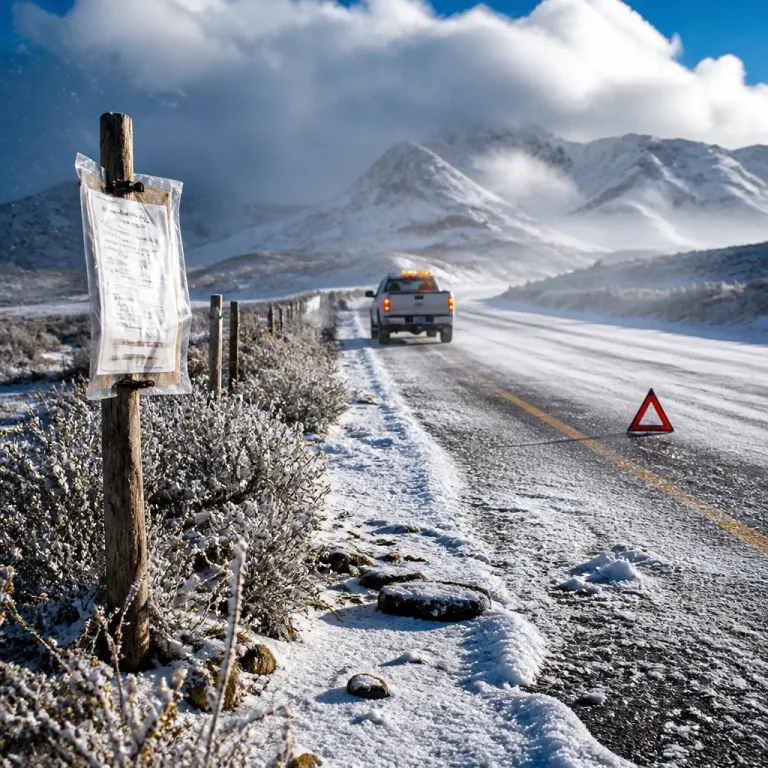
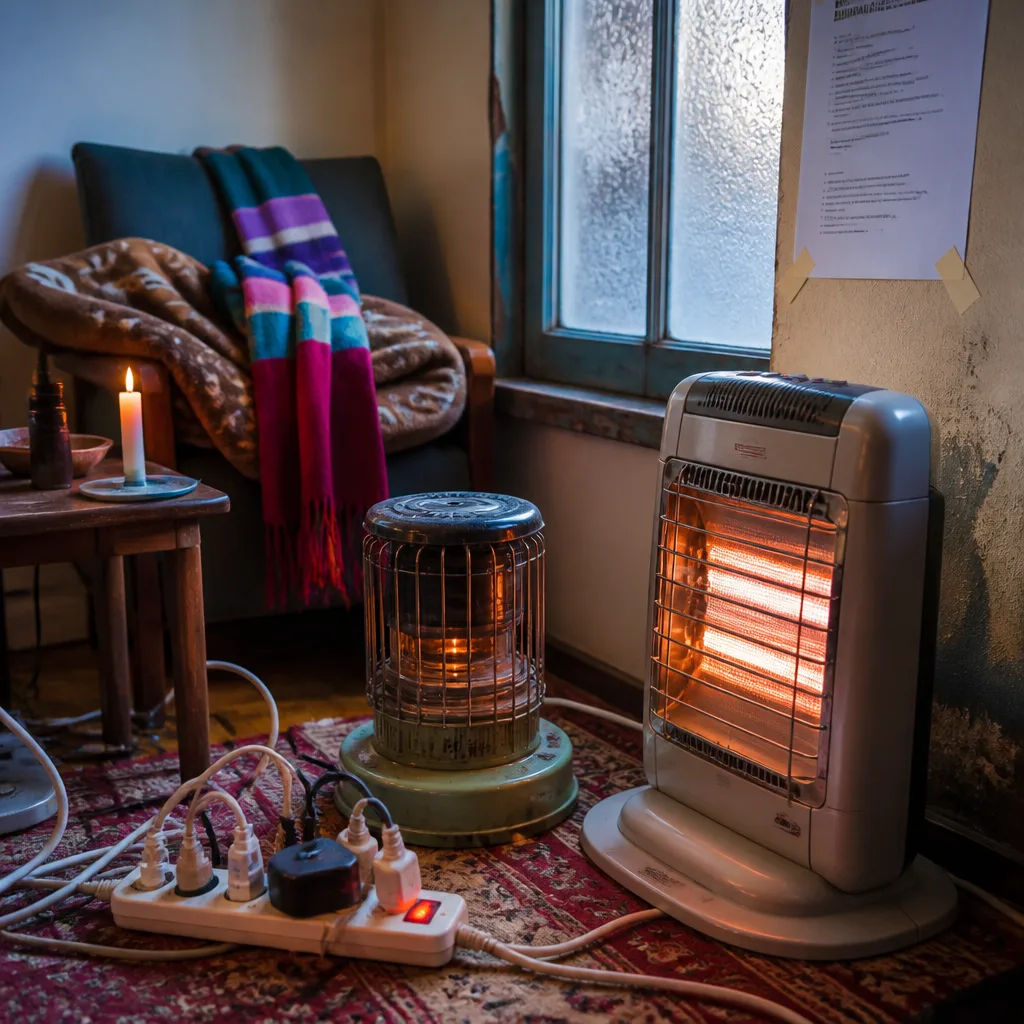
What to do today: keep children, the elderly and other vulnerable people warm, monitor SAWS and local disaster warnings, and use heating devices only with strict safety measures in place. Avoid leaving braziers, paraffin stoves, candles or generators unattended and do not overload electrical outlets.
Government message and immediate risks
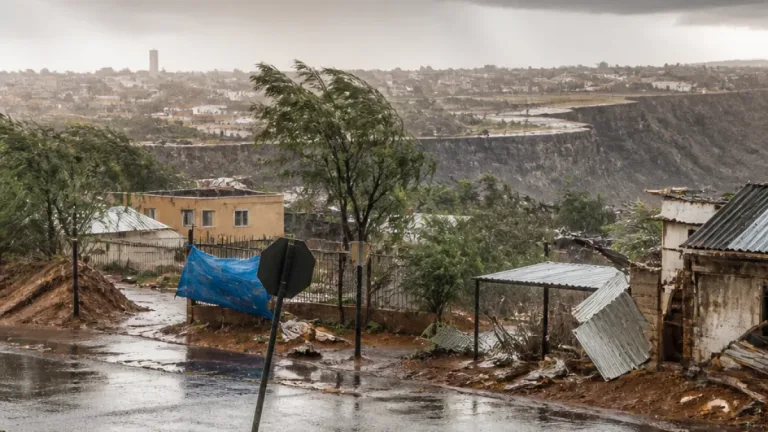
The government has issued a nationwide appeal for extra precautions as freezing temperatures continue to affect large parts of the country, warning that cold weather increases the risk of fires, carbon monoxide poisoning, electrocution and other weather-related emergencies.
Authorities urged residents to follow official forecasts and warnings from the South African Weather Service (SAWS) and local disaster management offices to reduce harm during the severe and cold spell. The warning specifically highlights the heightened vulnerability of children, older people and others with health conditions.
"As temperatures continue to drop across the country, government calls on citizens to take the necessary precautions to protect themselves, their families and vulnerable members of society during severe and cold weather," government said.
Practical safety guidance
Government guidance issued with the warning focuses on three practical areas of risk: personal protection from cold, safe use of alternative heating, and electrical safety. Key steps recommended for households and community centres include:
- Dress children and older people warmly during early mornings and evenings and ensure bedding and shelter are adequate.
- Never leave heaters, braziers, paraffin stoves, candles or generators unattended and keep them away from flammable materials.
- Use heating equipment according to manufacturer instructions and ensure rooms are ventilated when using fuel-burning appliances to reduce carbon monoxide risk.
- Avoid overloading plugs and informal or illegal electricity connections that increase fire and electrocution danger.
- Monitor weather forecasts and heed advice from disaster-management services regarding extreme local conditions.
Why these warnings matter
Cold snaps increase reliance on alternative heating methods, particularly in poorer neighbourhoods and informal settlements where safe, grid-connected heating is limited. Government noted that winter-related fires and carbon monoxide incidents remain a significant concern in many communities, especially where paraffin and open-flame heating are common.
Electrocution and electrical fires are also more likely when households attempt to improvise heating with overloaded plug points or illegal connections. The government reiterated that electrical safety is vital during winter, urging people to "use electricity safely and responsibly during winter by avoiding overloaded plugs and illegal electricity connections, which increase the risk of fires and electrocution."
| Risk | What to do |
|---|---|
| Cold-related illness in vulnerable people | Ensure warm clothing and adequate bedding; check on neighbours and the elderly |
| Carbon monoxide poisoning | Ventilate rooms when using paraffin stoves or generators; never sleep in a room with an actively burning brazier |
| Fires and burns | Keep heaters and candles away from curtains and bedding; never leave open flames unattended |
| Electrical fires/electrocution | Do not overload plug points; avoid illegal connections; switch off heaters when not in use |
Who should act now
Parents, caregivers, managers of shelters and community centres, and informal-settlement leaders should prioritise protective measures for children and older adults. Health and social services are reminded to prepare for a possible uptick in cold-related illnesses and household fires, while disaster management teams should keep lines of communication open with communities that rely on informal heating sources.
Residents are advised to keep informed of any targeted warnings from SAWS and local authorities. Government appeals to citizens to be vigilant and to report hazards or incidents to emergency services promptly.
Summary: Cold conditions persist across many regions. Protect vulnerable people, use heating devices with extreme caution, maintain electrical safety, and follow SAWS and disaster management advice.