Prime Minister Andy Burnham has been warned he could face the first rebellion of his premiership after signalling he is inclined to permit new oil and gas drilling in the North Sea. Speaking at a community centre in Sheffield, Burnham described his approach as “pragmatic” and said decisions on fresh licences would be taken “in due course”.
Labour tensions over climate and energy
The prime minister’s comments have heightened tensions within the Labour parliamentary party, where a number of MPs and climate experts expressed concern about the political and environmental consequences of approving new projects. Several backbenchers argue that any expansion of North Sea development risks alienating voters alarmed by extreme weather and environmental degradation.
Burnham framed the issue in practical terms, asking:
“The question isn’t whether Britain will still be using oil and gas, the question is where does it come from.”
That line of reasoning has not reassured critics. Drought, heatwaves, wildfires and climate-related strains on food supply were cited by opponents as evidence that further fossil fuel projects would be politically toxic as well as environmentally damaging. The UN secretary‑general has warned that “every new fossil fuel project” increases the danger posed by heatwaves, a framing that Labour sceptics have used to press their case.
Specific projects and parliamentary pressure
Labour MPs named particular fields at the centre of the row. Opposition has focused on licences such as the Jackdaw gasfield and the Rosebank oilfield, west of Shetland. Critics within the party say approving projects that would yield relatively small effects on domestic energy prices while worsening emissions would send the wrong signal internationally, especially as Europe records unprecedented heat.
Prominent Labour voices cited in reports include Rachael Maskell, the MP for York Central, who urged ministers to “keep carbon in the ground” and to heed a recent national emergency climate briefing. Clive Lewis, MP for Norwich South, said there was “no legitimate reason” to press ahead with Jackdaw, arguing that approval would demonstrate a failure to follow the evidence and risk prompting defections to the Greens.
The potential for defections is a recurring theme among critics: Green party figures such as Zack Polanski have emphasised their opposition to new North Sea licences and stand ready to capitalise on any perceived backsliding by Labour.
Street protests and ministerial attention
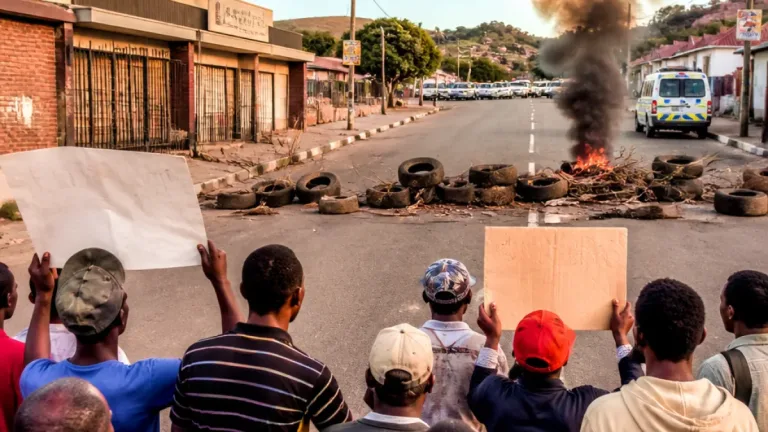
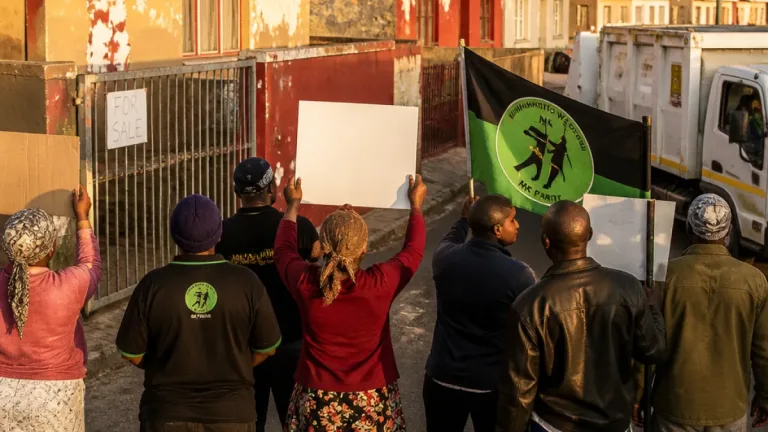
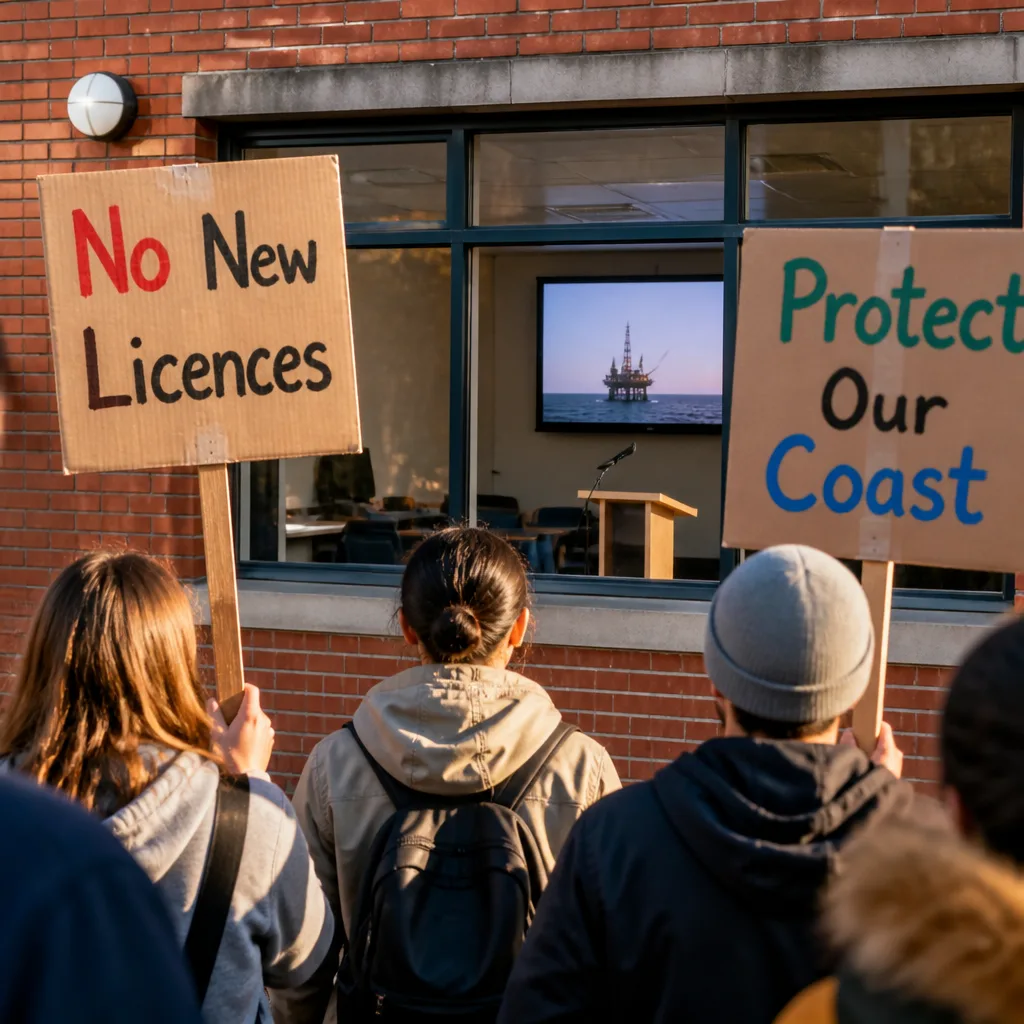
Climate activists have made their unease public. Demonstrations took place outside the office of the energy secretary, Miatta Fahnbulleh, with protesters urging the government to halt new licensing. The visual of street protest underscores how the debate has moved beyond Westminster and into the public arena — a politically sensitive situation for a party seeking to balance environmental credibility with short-term energy considerations.
- Immediate risk: a parliamentary revolt by Labour MPs opposed to new licences.
- Political consequence: potential loss of voters to the Greens and defections.
- Policy tension: balancing near‑term energy security and prices with climate commitments and international reputation.
For Burnham, the arithmetic is now both political and practical. On one hand, he must manage party unity and retain voters concerned about climate change. On the other, his phrasing — that Britain will continue to use oil and gas — signals a willingness to weigh energy security and supply chain questions in determining whether licences are granted.
How that calculation translates into formal decisions on projects such as Jackdaw and Rosebank will determine whether the prime minister faces a formal rebellion and whether Labour’s standing on climate policy is reshaped by the coming months.