Russian long‑range strikes and Ukrainian cross‑border drone attacks over the weekend left civilians dead and scores injured, officials said, underscoring a renewed intensity in the conflict more than four years after Russia’s large‑scale invasion of Ukraine. The incidents, reported on 9 August 2026, involved attacks on population centres and energy infrastructure in Ukraine and a deadly strike on Russia’s Belgorod region.
Where the casualties occurred
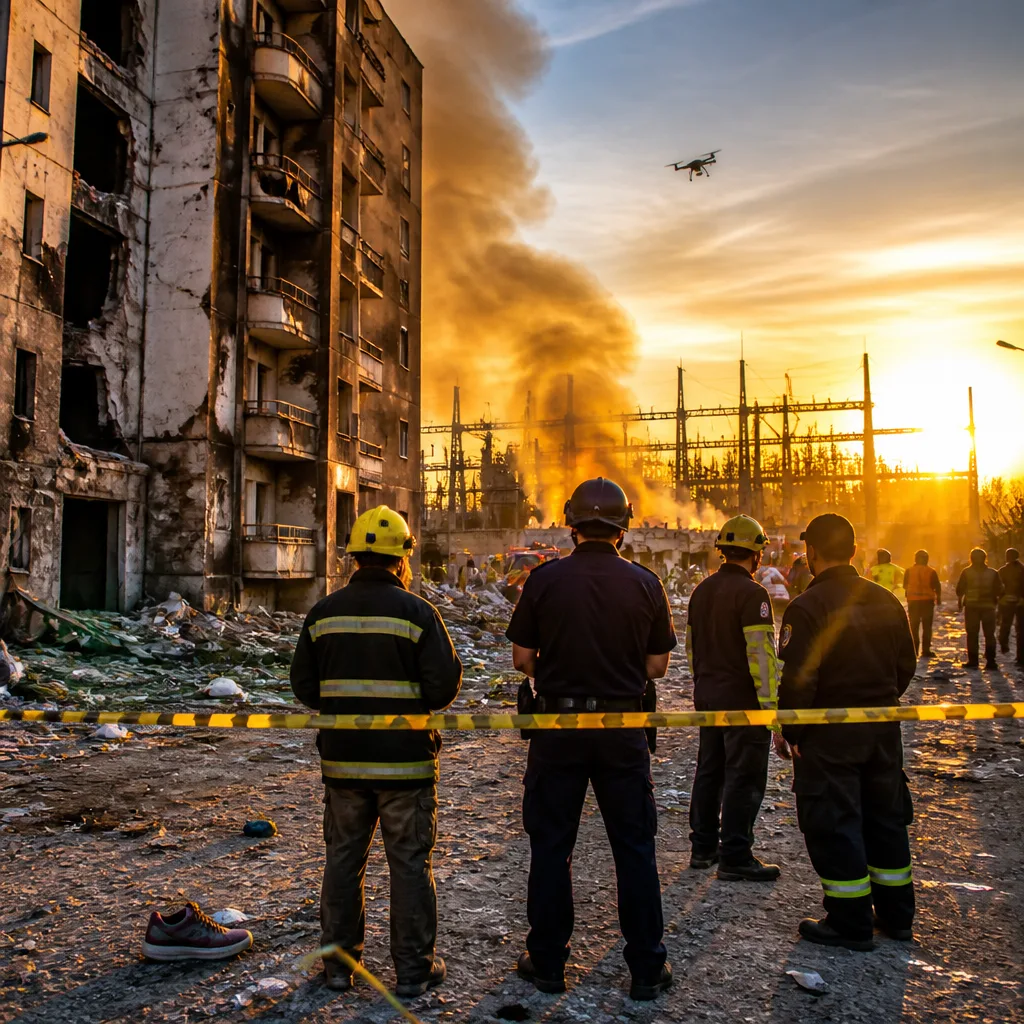
Ukrainian authorities said two people were killed in the northeastern city of Kharkiv after a Russian drone strike destroyed parts of a residential block and injured 23. Regional governor Oleg Synegoubov provided the casualty figures and shared images showing emergency services at the scene.
Additional strikes overnight damaged critical infrastructure and homes elsewhere in Ukraine. In Odesa, President Volodymyr Zelenskyy reported that eight people were injured and that attacks struck the power grid, the port and residential buildings. In the Dnipropetrovsk region, a strike near a shopping centre in Pavlohrad wounded nine people, including four children; Zelenskyy described the attack on energy facilities as "absolutely brutal".
"More pressure, more sanctions against Russia and more air defence for Ukraine are needed," President Volodymyr Zelenskyy said on social media, after saying Moscow had fired dozens of missiles at Ukraine this week.
On the Russian side of the border, the acting governor of the Belgorod region, Alexander Shuvaev, reported that a Ukrainian drone attack killed three people and injured 25, including children aged four and nine. He said fires broke out in vehicles and several residential buildings.
| Location | Fatalities | Injuries | Damage |
|---|---|---|---|
| Kharkiv (Ukraine) | 2 | 23 | Residential building partially destroyed |
| Odesa (Ukraine) | 0 reported | 8 | Power grid, port and homes damaged |
| Pavlohrad, Dnipropetrovsk (Ukraine) | 0 reported | 9 (including 4 children) | Strike near shopping centre; energy infrastructure damaged |
| Belgorod (Russia) | 3 | 25 (including children) | Fires in apartment buildings, cars and a house |
Broader context and implications
Officials in Kyiv say the attacks reflect an intensification of strikes that increasingly target civilian infrastructure. President Zelenskyy described the Kremlin’s campaign as relying on what he called "ballistic terror" and said that some 61 missiles and other long‑range systems had been used against Ukraine in the preceding week.
The United Nations has reported that civilian casualty figures have risen this year, a trend that humanitarians warn will further increase needs for shelter, medical care and repairs to critical services such as power and water. Damage to ports and the power grid in Odesa could also affect logistics and export capacity, with economic as well as humanitarian consequences.
For international policymakers, the renewed strikes will intensify debates over support for Kyiv, particularly regarding air‑defence systems and sanctions. Zelenskyy’s public appeals for "more air defence" and increased pressure on Russia echo calls from Kyiv’s allies for sustained military and economic assistance to blunt long‑range strikes.
At the same time, cross‑border attacks that kill civilians inside Russia complicate diplomatic messaging and risk broadening the theatre of conflict. Russian state media circulated footage showing a burning apartment block in Belgorod, reinforcing Moscow’s narrative of Ukrainian strikes on border communities.
As the conflict approaches the five‑year mark since the 2022 full‑scale invasion, analysts say the pattern of targeting energy and urban infrastructure reflects a strategy aimed at undermining morale and functioning of society. Humanitarian organisations are likely to reiterate calls for greater protection of civilians and for corridors to reach those affected.
- Casualties: Multiple civilian deaths and dozens injured on both sides of the border.
- Infrastructure: Damage reported to residential buildings, power grids and port facilities in Ukraine.
- Diplomatic impact: Renewed appeals from Kyiv for air‑defence support and tougher sanctions on Moscow.
Reporting agencies, including AFP, noted that some images circulating online could not be independently verified. The situation remains fluid and further official updates from Ukrainian and Russian regional authorities are expected.