The U.S. Court of Appeals for the District of Columbia Circuit on Friday ordered the Trump administration to halt construction of a proposed White House ballroom, finding the executive branch does not have unilateral authority to build the structure without congressional approval. The decision, by a three-judge panel, sided with historic preservationists who challenged the project.
Court says only Congress can approve the project
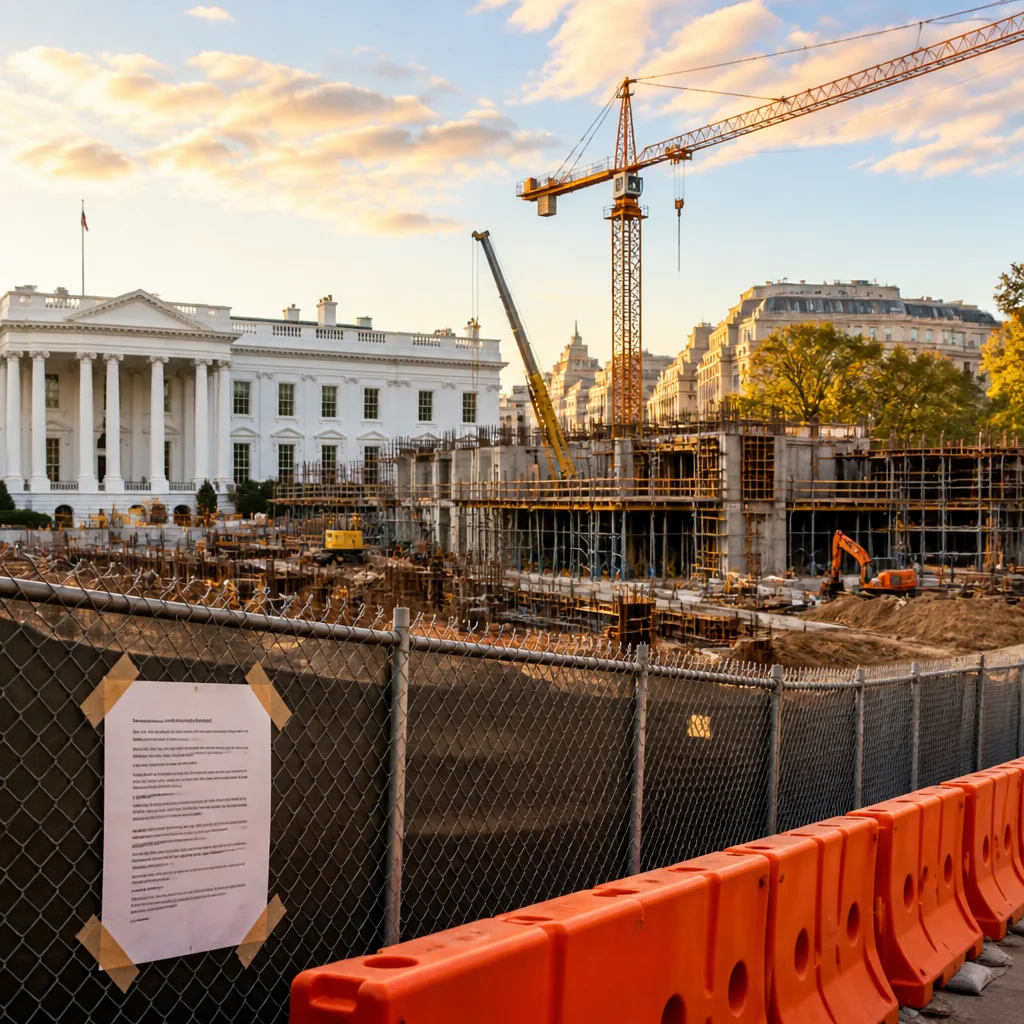
The appeals court concluded the president may not proceed with construction of the planned 90,000-square-foot (approximately 8,400-square-metre) ballroom — a project the administration estimated would cost $400 million — on the site where the White House's East Wing stood before it was demolished last year.
“Whether or not a massive ballroom should be constructed is for Congress to decide and is not a matter for Executive self-help,” the court wrote.
The judges made clear their ruling did not express a view on the merits of the proposed ballroom as public policy, nor did it categorically prohibit future construction. Rather, the panel said the administration may not carry out the build while the underlying litigation proceeds unless it first secures authorisation from Congress.
The appeals court issued a temporary two-week stay of its order to allow the administration time to seek emergency relief from the U.S. Supreme Court. The White House has signalled it will appeal, with the president posting on social media that he would take the matter to the Supreme Court and calling the decision “unjust.”
Preservationists prevailed in challenge
The lawsuit was brought by historic preservation groups who argued the scale and siting of the ballroom would threaten the historical integrity of the presidential residence and surrounding grounds. A majority on the appeals panel agreed that the question of constructing such a significant permanent structure touches on statutory and constitutional constraints that require congressional participation.
The ruling arrives amid additional controversy over other construction proposals linked to the administration. Earlier in the week, the National Park Service released an assessment raising concerns that a proposed 250-foot triumphal arch on a traffic circle near the Lincoln Memorial and Arlington National Cemetery could compromise the historical significance of numerous sites in the area.
- Structure size: 90,000 square feet (8,400 square metres)
- Estimated cost: $400 million
- Court action: Appeals court ordered halt, stayed two weeks for Supreme Court appeal
Legal and political consequences
Legally, the decision emphasises the limits of executive authority where statutory and historic-preservation frameworks vest oversight with Congress or other entities. Politically, it places the administration at the centre of a broader debate about how presidential properties are altered and who gets to decide on large-scale changes to national landmarks.
The appeals court was careful to note that its ruling did not settle whether the ballroom could ultimately be built, only that the executive branch may not proceed without proper authorisation while the expedited litigation runs its course.
| Item | Detail |
|---|---|
| Ballroom area | 90,000 sq ft / 8,400 sq m |
| Estimated cost | $400 million |
| Court action | Construction halted; two-week stay to allow appeal |
For preservation groups, the ruling represents a judicial check on executive action; for the administration, it is an immediate legal obstacle and a test of how far the executive will press the matter before Congress or the Supreme Court weigh in. The next days will determine whether the Supreme Court accepts an appeal and, if so, whether it will allow construction to continue while litigation proceeds.