
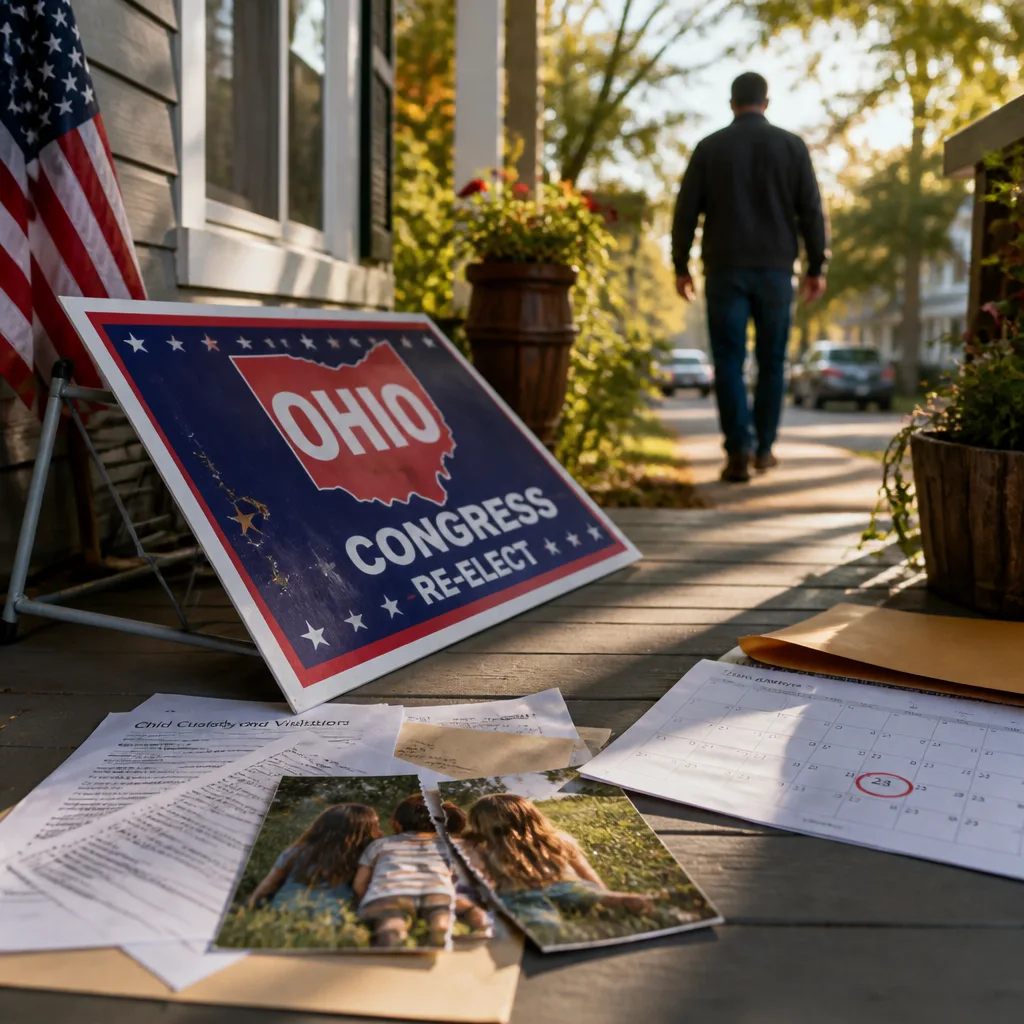
US Representative Max Miller has come under intensified scrutiny after Senator Bernie Moreno — the father of Miller's ex‑wife — said the congressman should not be serving in the House of Representatives and urged him to seek professional help. The public rebuke accompanies renewed attention to long‑running allegations of domestic abuse and a bitter custody battle that have drawn political consequences ahead of an imminent ballot replacement deadline.
Family dispute becomes a political liability
The drama centres on accusations made by Emily Moreno, Miller's former wife, that he physically abused her and threatened their child during their marriage. Miller has repeatedly denied those claims. In a lengthy post, Senator Moreno wrote that, if basic standards of character are required for elected office, “Max Miller fails them,” and said Miller “needs serious psychological help.”
“If there are any basic standards of character required to hold elected office, Max Miller fails them. He should not serve in the House of Representatives.”
Senator Moreno also said he was concerned for his daughter and granddaughter, adding that he holds his breath whenever Miller has custody of the child. The family conflict has played out publicly and has been described as bitter by reporting from the Associated Press.
Political stakes and timing
The controversy has prompted Democrats to view Miller’s northeast Ohio seat as vulnerable. Miller, who has received an endorsement from former President Donald Trump and served as a White House adviser during Trump’s first term, said in a live video on X that he will stay in the race for re‑election. He faces a Wednesday deadline to be replaced on the ballot if he withdraws.
In his video statement, Miller said he would not drop out and expressed confidence that he would win in November. He continued to deny the abuse allegations, including an allegation that a broken collarbone suffered by his then‑toddler daughter was connected to him — a claim he denied.
What is public
Reporting outlines the following publicly available elements:
- Emily Moreno has accused Miller of scalding, hitting and threatening her while they were married.
- Miller has denied all allegations and defended himself in a live broadcast on X.
- Senator Bernie Moreno, who has been publicly restrained in recent months while a custody dispute unfolded, broke with that reserve in a lengthy post urging Miller not to serve and to seek help.
- Democrats consider the seat a potential pickup opportunity amid the fallout.
Context and consequences
The episode underlines how personal and family disputes can translate into electoral vulnerability for sitting members of Congress, particularly when allegations involve domestic abuse. The involvement of a relative who is a sitting senator escalates the matter beyond private litigation and custody proceedings, making it a political story with potential consequences for campaign dynamics in the district.
For now, the immediate procedural pressure point is Miller’s statement that he will remain on the ballot ahead of the replacement deadline. Should he withdraw or be forced off the ticket, the partisan arithmetic in that northeast Ohio seat could shift, creating an opening Democrats are preparing to contest, according to the reporting.
| Element | Public position |
|---|---|
| Max Miller | Denies allegations; intends to remain in race |
| Emily Moreno | Accuses Miller of abuse and harm to their child |
| Sen. Bernie Moreno | Publicly says Miller should not serve and needs help |
The coming days will be decisive for whether Miller’s candidacy proceeds unimpeded into the general election or whether party operatives and opponents will exploit the allegations and family denunciation to contest the seat more aggressively.
Why it matters to observers abroad: high‑profile personal scandals in the US can reverberate across party strategies and messaging, especially when they involve figures tied to national leaders. This case also demonstrates the political cost when private disputes become public and are amplified by family members who are themselves elected officials.