With fewer than 48 hours remaining before Michigan’s Democratic Senate primary, candidates Abdul El‑Sayed and U.S. Representative Haley Stevens intensified efforts to assemble the coalition they say will carry them to victory. The race, which has attracted “tens of millions of dollars” and national scrutiny, has become an early test of where Democratic primary voters want the party to go.
Closing days: similar routes, competing appeals
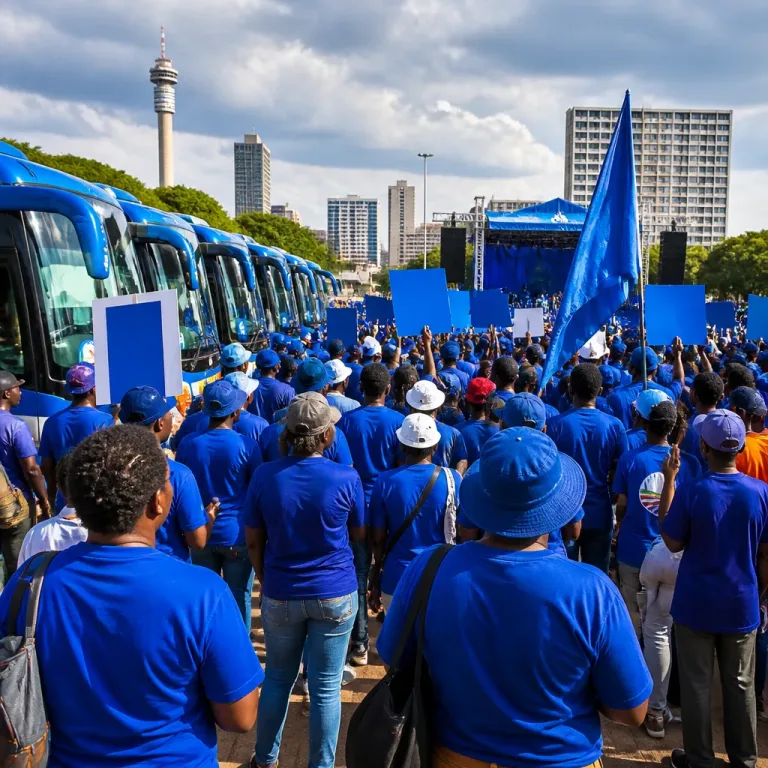
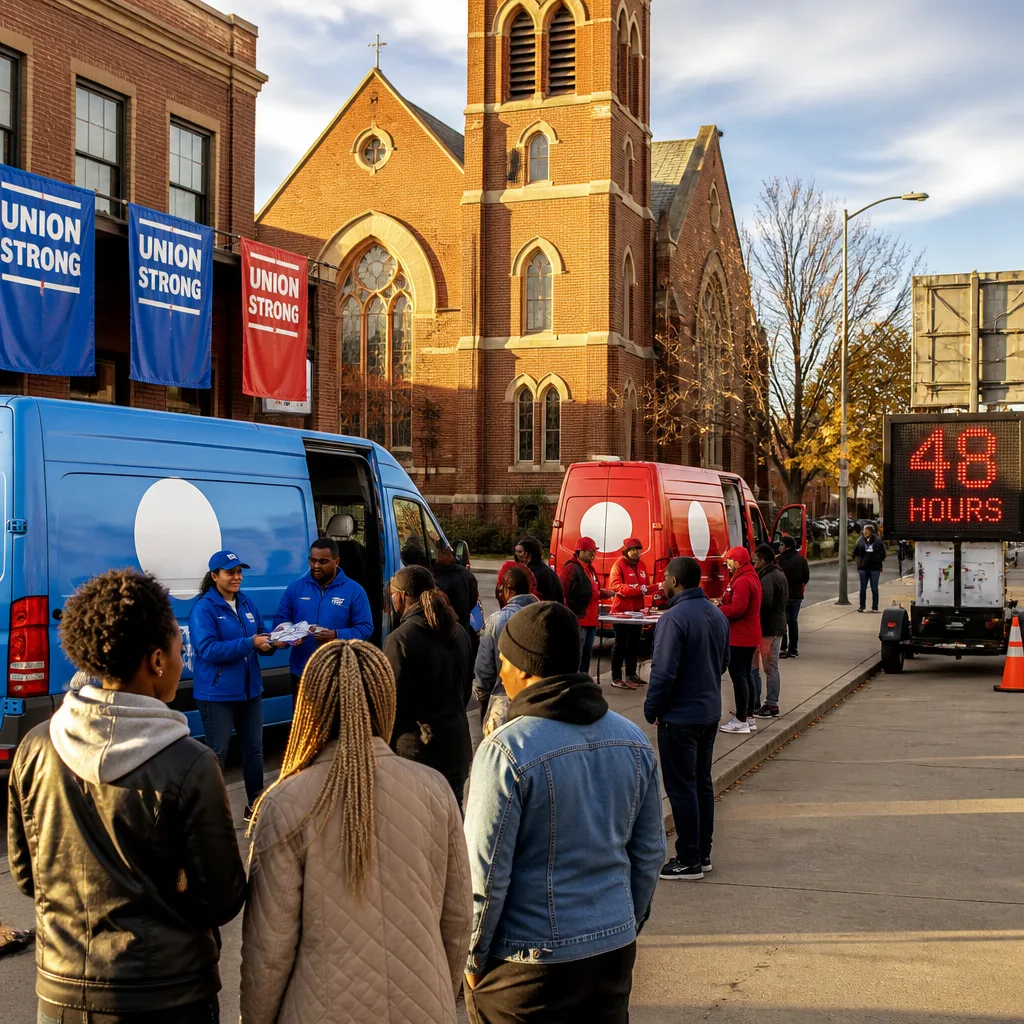
On Sunday both campaigns visited Black churches in Detroit — a long-established arena for outreach in the state — as well as union halls and rallies with core supporters. The parallel focus underlines the practical contest beneath the ideological framing: who can mobilise enough of Michigan’s Democratic coalition on Tuesday.
El‑Sayed, a progressive backed by Senator Bernie Sanders and other figures on the left, has pitched a more insurgent message, framing his candidacy as a challenge to the party establishment. Stevens, a four‑term congresswoman supported by Senate Democratic leader Chuck Schumer and many of Michigan’s senior Democrats, has foregrounded experience and electability.
“Everyone’s trying to get in their last points,” Stevens said, calling the campaign’s closing bustle “the last word phenomenon.”
Stakes beyond the primary
The outcome will do more than decide a nominee. The winner must reunite a divided Democratic base to contest an open Senate seat in November against Republican Mike Rogers. The primary therefore serves both as an ideological barometer and a practical test of which candidate can translate primary coalitions into a general election majority.
Campaign activity in the final days has been intense and strategic. Both candidates visited similar venues in Detroit — churches, union meeting places and rallies — reflecting an attempt to assemble a cross‑section of voters whose backing will be decisive.
- El‑Sayed: backed by left‑wing national figures, running as an establishment alternative.
- Stevens: a four‑term House member, emphasising electability and experience with establishment support.
- Financial weight: the primary has seen tens of millions of rand-equivalent funding and national attention (reported as tens of millions of dollars in US coverage).
Why this primary matters to Democrats
Michigan is a politically significant state with recent swings between the parties. The party’s choice of nominee will influence campaign strategy for November: a nominee who can attract moderates and working‑class voters will argue they are best placed to keep the seat, while a progressive standard‑bearer will aim to energise the base and reshape the party’s message.
The primary has therefore drawn prominent endorsements from both wings of the Democratic Party. Those endorsements are aimed not only at persuading voters but at signalling which direction party leaders believe is most viable in a competitive fall contest.
| Candidate | Prominent backers | Primary appeal |
|---|---|---|
| Abdul El‑Sayed | Sen. Bernie Sanders (left support) | Progressive change; challenge to establishment |
| Rep. Haley Stevens | Sen. Chuck Schumer (establishment support) | Experience; electability |
Both campaigns now face the immediate arithmetic of turnout. Primary elections often hinge on which candidate can both energise their base and win the support of swing Democratic constituencies — Black voters, union members and suburban moderates among them. The late‑stage visits to Black churches and union halls indicate each campaign’s recognition that assembling a broad, reliable coalition is decisive.
As the clock counts down, the contest will leave a mark on the party regardless of who prevails. A Stevens victory would be framed as validation of the electability argument endorsed by party leaders; an El‑Sayed win would signal stronger appetite among primary voters for a more progressive direction. Either result will shape how Democrats approach messaging, resource allocation and coalition‑building in the months ahead as they try to hold the seat in November.
Results from the primary will become clear after polls close on Tuesday, when the immediate test of which coalition prevailed will be resolved and the focus will shift to the general election matchup with Mike Rogers.