
Developers in a 21-day global competition produced working travel apps that can search live inventory and complete real bookings, organisers said, illustrating how artificial intelligence and modern application programming interfaces (APIs) are speeding innovation in the travel sector.
What the challenge produced
RouteStack, the AI-native travel infrastructure platform created by Custom Travel Solutions, announced the winners of its inaugural RouteStack Build Challenge, which ran from 8 June to 6 July. The competition was co‑sponsored by PhocusWire and invited developers worldwide to build AI travel agents able to access live hotel, flight and car rental inventory and make actual bookings.
Organisers said entries addressed practical traveller problems and included concepts such as an intelligent hotel concierge for airline standby passengers, an AI-powered family travel advisor and a collaborative trip‑planning platform for groups. Judges scored submissions on usefulness in the real world, originality, technical execution and presentation.
“What’s remarkable isn’t just the quality of the ideas. It’s the speed. In just a few hours many individual developers created AI applications capable of searching live travel inventory and completing bookings using enterprise‑grade infrastructure. That demonstrates how AI is dramatically lowering the barriers to innovation across the travel industry,”
said Yogesh Kapadne, Chief Technology Officer of RouteStack, summarising the organisers’ view of the event’s significance.
First‑place solution: tackling the airline standby problem
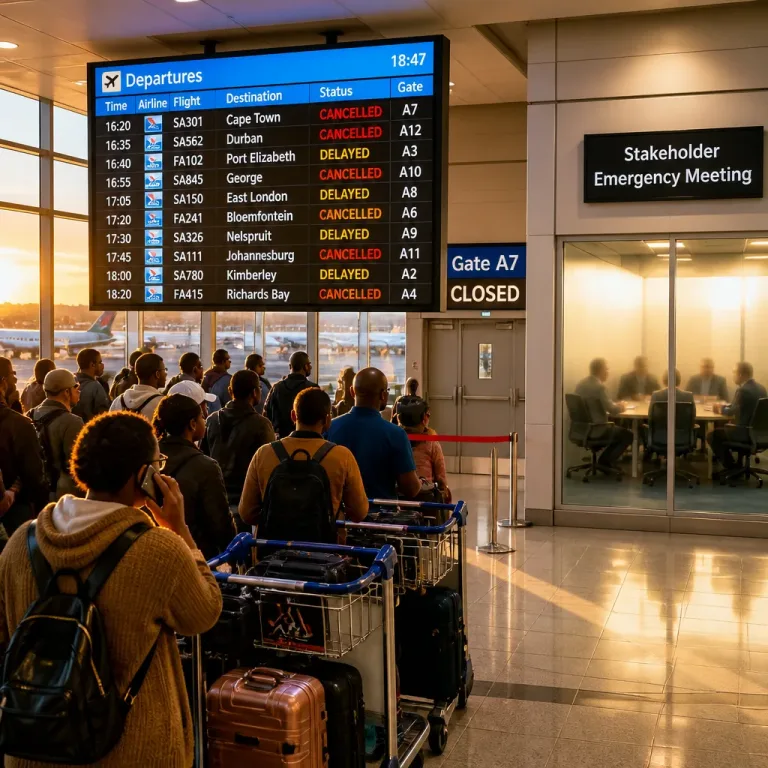
The competition’s first prize went to StandByStay, developed by Valentina Borovaya, a digital product manager at Aer Lingus. StandByStay targets a long‑standing operational challenge: airline staff and passengers travelling on standby often do not know which destination they will reach until shortly before departure, making timely hotel bookings difficult.
StandByStay combines continuous monitoring of multiple potential destinations with hotel selection and temporary holds on preferred options until the traveller’s final flight status is confirmed, organisers said. The solution demonstrates how AI agents can automate complex, time‑sensitive travel decisions.
Why this matters to travellers and the industry
- Faster prototyping: organisers reported that individual developers produced fully functioning applications in hours, not months.
- Real bookings: entries were tested against live inventory and the ability to complete actual reservations.
- Lower barriers to entry: AI plus enterprise APIs allow smaller teams to build tools that previously required significant engineering resources.
For South African travellers and businesses, the rapid arrival of AI‑driven booking agents could mean more personalised offers, quicker problem resolution and new services tailored to common travel frictions. At the same time, the change raises questions about data privacy, industry distribution of commissions and the role of incumbent travel agents and online travel agencies.
| Detail | Information |
|---|---|
| Challenge organiser | RouteStack (Custom Travel Solutions) |
| Sponsor | PhocusWire |
| Dates | 8 June – 6 July |
| First place | StandByStay by Valentina Borovaya (Aer Lingus) |
Organisers said the competition was about more than prizes: it aimed to show how quickly travel technology can evolve when developers have access to live inventory and robust infrastructure. The winning projects are examples of practical tools that could be integrated into airline, hotel or travel‑agent systems, or offered directly to consumers via apps and chatbots.
As AI tools move from proofs of concept to production, travellers should expect a faster pace of new services. For consumers mindful of costs and convenience, innovations that reduce booking friction and automate contingency planning may be particularly welcome.