South Africa’s international tourism recovery continued in June 2026, with 823,365 overnight international tourists recorded, a rise of 9.8% year-on-year, Statistics South Africa reported. The broader border data also showed foreign traveller volumes remained above 2025 levels, underscoring the sector’s resilience.
Growth concentrated among neighbouring markets
Much of the recent growth has been driven by neighbouring Southern African Development Community (SADC) countries. According to the border figures cited in the reporting, arrivals from neighbouring states dominated the month:
- Mozambique: 216,355 arrivals
- Zimbabwe: 182,567 arrivals
- Lesotho: 130,980 arrivals
- Eswatini: 61,960 arrivals
Business Day noted that tourism has benefited from improved connectivity, visa reforms and sustained destination appeal — factors that have helped bolster visitor numbers despite broader economic pressures.
Falls from West Africa prompt concern
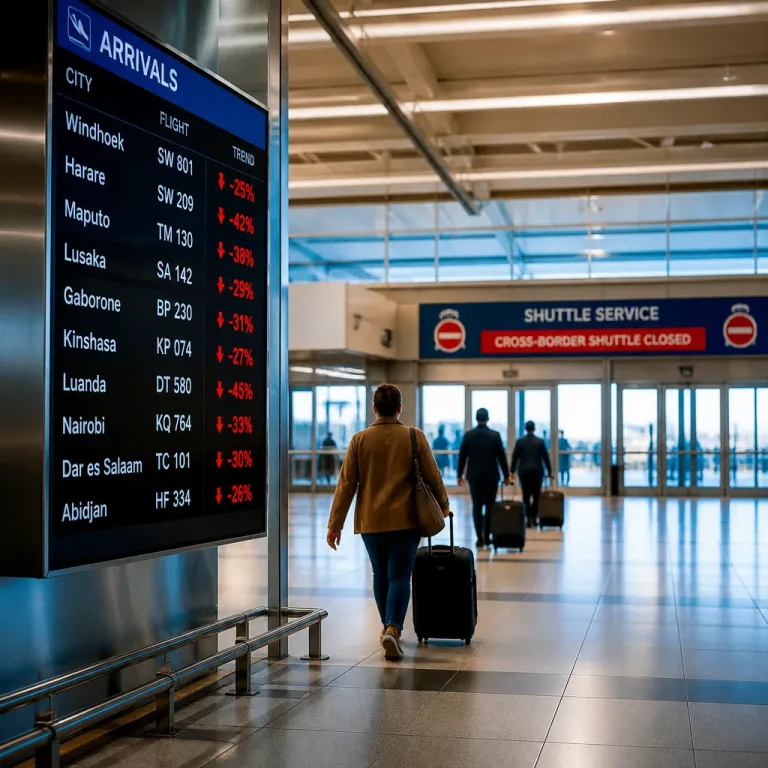
While headline growth is positive, the monthly figures also show worrying declines from some West African markets. In June, arrivals from Nigeria fell by 30.3% to 1,459 visitors, and arrivals from Ghana dropped by 17.8% to 2,609. Overall, arrivals from West Africa were down 23.8% for the month.
These falls have prompted tourism leaders to flag concerns that perceptions of safety and hospitality may be influencing travel decisions by West African visitors. The reporting emphasises that June’s drop could represent short-term volatility: first-half 2026 arrivals from both Nigeria and Ghana remain higher than in the same period last year.
Perception versus reality
Recurring anti-foreigner protests and incidents of xenophobic violence in South Africa are often aimed at undocumented migrants or foreign-owned businesses rather than tourists. Nonetheless, the images and media coverage surrounding such incidents can shape potential visitors’ impressions about safety and welcome.
Tourism leaders cited in the reporting are urging greater efforts to ensure that travellers from across Africa feel welcome. That approach would help protect recent gains and diversify source markets beyond neighbouring SADC states.
| Metric | June 2026 | Change (year-on-year) |
|---|---|---|
| Overnight international tourists | 823,365 | +9.8% |
| West African arrivals (overall) | — | -23.8% |
What this means for travellers and the industry
For travellers and the tourism industry, the mixed picture matters in practical ways. Hoteliers, tour operators and transport providers benefit from strong regional traffic and improved connectivity, which can support competitive pricing and route frequency. However, shrinking arrivals from important markets such as Nigeria and Ghana risk reducing market diversity and could blunt growth if perceptions are not addressed.
- Tourism businesses may need to step up targeted marketing and partnerships across Africa to rebuild confidence among West African travellers.
- Policymakers and city authorities could prioritise visible measures that reassure visitors about safety and inclusivity without diverting resources from broader social issues.
- Monitoring monthly border and overnight statistics will remain important to distinguish between short-term dips and longer-term trends.
Despite the challenges, the sector’s June performance points to a continuing recovery. The priority for the industry now is to convert regional momentum into a more balanced and resilient mix of source markets by addressing perception issues and promoting an environment in which all African visitors feel welcome.