President Cyril Ramaphosa has instructed that criminal investigations be instituted into suspended deputy national police commissioner Lieutenant‑General Shadrack Sibiya following recommendations from the Madlanga commission of inquiry, the presidency said on Thursday.
Commission urged both disciplinary and criminal action
The presidency published a statement setting out the commission’s principal recommendation: that disciplinary proceedings be initiated and that allegations of criminal conduct be immediately investigated. If investigators find sufficient evidence, the commission recommended formal criminal charges be laid against Sibiya and three others named in its report.
- Individuals cited for investigation: Lt‑Gen Shadrack Sibiya; Witness G; Sergeant Fannie Nkosi; Mr Brown Mogotsi.
- Allegations include: receipt of large sums of cash from an alleged corruption operator and facilitation of contact between SAPS members and a purported service-provider linked to tenders.
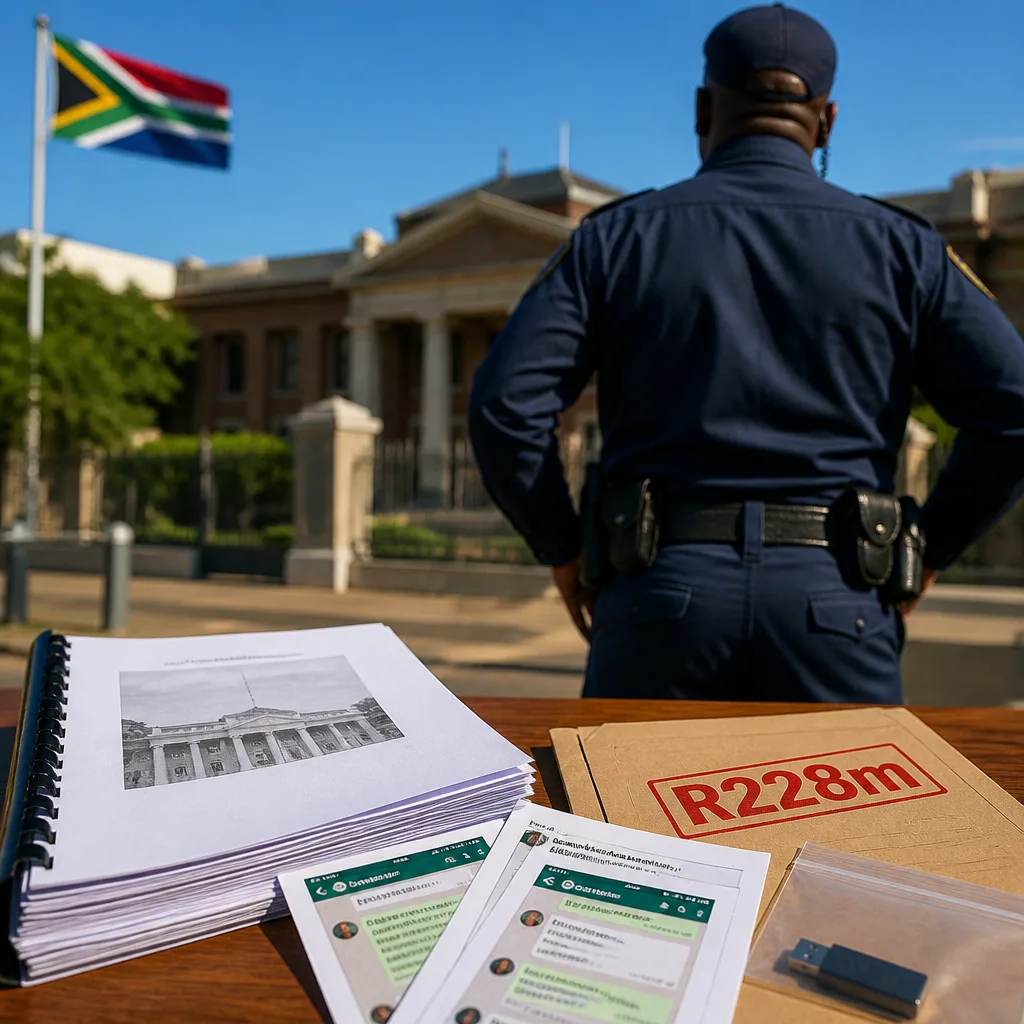
- Tender at centre of evidence: a R228 million contract connected to Vusimusi "Cat" Matlala, the alleged corruption mastermind named in the inquiry.
The presidency said the commission’s findings flow from the evidence it heard and that the recommendations follow where that evidence pointed to potential criminality.
“Flowing from the evidence, the commission recommends the institution of disciplinary proceedings and the immediate investigation of criminal conduct and, if sufficient evidence be found to exist, the institution of criminal proceedings against Lt‑Gen Shadrack Sibiya, Witness G, Sgt Fannie Nkosi and Mr Brown Mogotsi,” the presidency said.
What the commission heard
According to the commission record cited by the presidency, witnesses linked Sibiya to alleged dealings with Vusimusi "Cat" Matlala. Evidence presented to the commission included WhatsApp exchanges purportedly showing Sgt Nkosi acting as an intermediary between Sibiya and Matlala in March 2024.
The messages allegedly referred to the delivery of antelope — described as impala — purchased by Matlala for what witnesses said was Sibiya’s property in Midrand. The commission also heard testimony that Sibiya received large cash payments from Matlala, including funds allegedly used to buy property.
Sibiya denied the specific allegation about the animals. According to the commission record cited by the presidency, he said he “categorically deny I acquired or received any impala from Matlala, or any other person for that matter. No animal was ever delivered to my plot.” He told the commission the animals were never delivered because he preferred blesbok and because he did not want to accept anything from a SAPS service provider.
Chain of accountability
The presidency’s statement marks the first time it has highlighted a recommendation specifically directed at the deputy to suspended national commissioner Gen Fannie Masemola. The commission also recommended investigations into others who, in its view, may have facilitated contact between senior SAPS members and external actors linked to alleged corrupt activity.
Earlier in the year, the national commissioner established an internal task team to examine allegations affecting senior leadership, the statement noted, but the Madlanga commission’s recommendations now call for independent criminal inquiries to follow.
| Person | Allegation/role in commission report |
|---|---|
| Lt‑Gen Shadrack Sibiya | Alleged receipt of cash and benefits from Vusimusi "Cat" Matlala; denied receiving animals |
| Sgt Fannie Nkosi | Alleged intermediary in WhatsApp messages facilitating contact between Sibiya and Matlala |
| Brown Mogotsi | Named by the commission for investigation |
The Madlanga commission has been examining allegations of criminal syndicate infiltration of law‑enforcement institutions, and its findings have major implications for public confidence in policing. The presidency’s decision to pursue criminal investigations signals that parts of the commission’s evidence warrant that further, formal scrutiny by investigators and prosecutors.
Work to translate the commission’s recommendations into investigations will now fall to criminal investigators and, if evidence supports it, the National Prosecuting Authority. There was no immediate public response to the presidency’s statement from the National Prosecuting Authority or the South African Police Service.
The outcome of any subsequent investigations and potential prosecutions will determine whether the commission’s findings lead to criminal sanctions for those named.