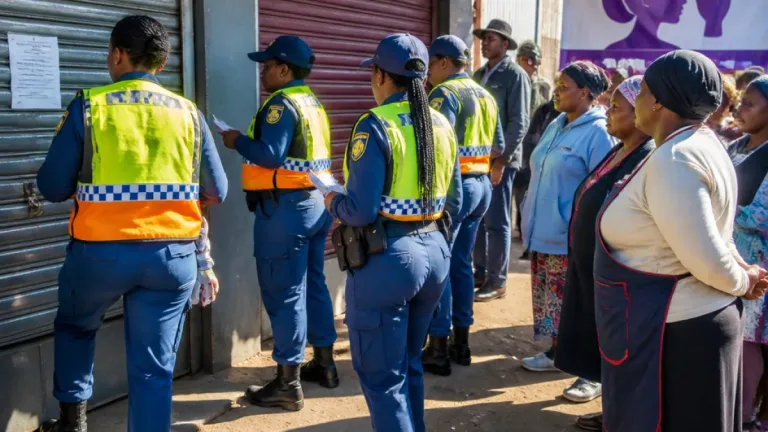
The South African Police Service (SAPS) has moved to correct widespread reports that Captain Laurence Makgotloe had been cleared by the organisation following allegations he tampered with evidence and obstructed an investigation into the murder of a Vereeniging engineer.
Disciplinary finding but criminal case continues
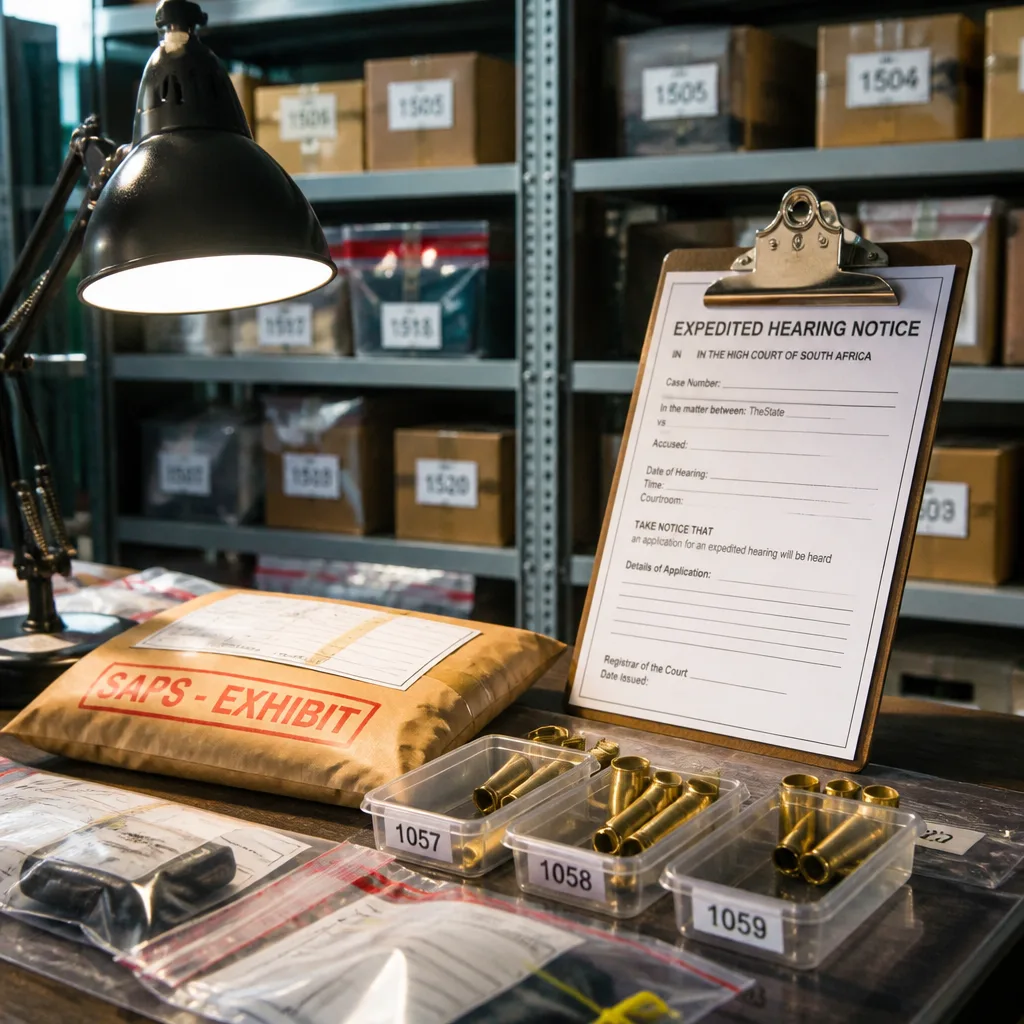
SAPS national spokesperson Athlenda Mathe said the matter was an internal labour process between employer and employee, but warranted clarification because of inaccurate media reports. An expedited disciplinary hearing was held and, Mathe said, Makgotloe was found guilty on two of four charges and was sanctioned.
"While this remains an internal labour matter between the employer and the employee, SAPS deems it necessary to correct the misinformation," Mathe said.
Separately, Makgotloe remains subject to a criminal investigation and prosecution. The 2026 arrest related to the killing of Armand Swart led to charges including defeating the ends of justice, being an accessory after the fact to murder and unlawful possession of ammunition. Makgotloe was released on bail of R15 000. The criminal matter was postponed for further investigation and he is due to appear again at the Pretoria Magistrate's Court on 20 August 2026.
Case background and forensic links
Swart, an employee of Q Tech Engineering Company in Vereeniging, was shot dead on 17 April 2024 while sitting in his vehicle outside his workplace. Two suspects in a white Hyundai i20 are alleged to have carried out the attack; Swart suffered multiple gunshot wounds and was declared dead at the scene.
Makgotloe, a ballistics analyst, has been accused of submitting false ballistics reports, removing a firearm and ammunition, and obstructing the murder investigation. His testimony and the handling of ballistics evidence have taken on broader significance because firearms evidence processed at the national forensic laboratories has been under scrutiny at the Madlanga Commission of Inquiry.
During proceedings at the commission, Makgotloe testified that firearms linked to Swart's killing were later connected to 20 other cases, among them the murders of Oupa "DJ Sumbody" Sefoka, Hector "DJ Vintos" Buthelezi and businessman Don Tindleni.
Implications for forensic credibility and policing
The case touches on two separate but related accountability processes: internal disciplinary mechanisms within SAPS and criminal charges pursued by investigators. SAPS' public clarification seeks to distance the organisation from inaccurate reports that the officer had been exonerated.
Observers of the Madlanga commission have earlier expressed concern about the integrity and consistency of ballistics work nationally. The confirmation that Makgotloe was found guilty on parts of the disciplinary charge sheet but remains a criminal suspect underscores the continuing investigation into both the Swart murder and the broader reliability of forensic outputs relied upon in numerous prosecutions.
- Disciplinary outcome: Found guilty on two of four charges; sanctioned after expedited hearing.
- Criminal status: Arrested May 2026; charged with defeating the ends of justice, accessory after the fact to murder and unlawful possession of ammunition; granted R15 000 bail; next court appearance 20 August 2026.
- Case links: Ballistic traces from the Swart matter have been associated with 20 other cases, including several high-profile killings.
| Item | Detail |
|---|---|
| Victim | Armand Swart |
| Date of killing | 17 April 2024 |
| Suspects' vehicle | White Hyundai i20 |
| Analyst accused | Captain Laurence Makgotloe |
| Bail | R15 000 |
| Next court date | 20 August 2026 (Pretoria Magistrate's Court) |
As the criminal investigation proceeds, prosecutors and investigators will need to reconcile the disciplinary findings with evidential requirements in court. The Madlanga inquiry's examination of national forensic practices continues to inform public and judicial scrutiny of cases where ballistics evidence plays a central role.
SAPS has emphasised its intent to correct public misunderstandings while the matter progresses through both internal and criminal justice processes.