One‑person service delivers trauma care from police scenes
For seven years Catherine O’Donovan has coordinated the Ladysmith Victim Services programme, providing immediate psychological support to people affected by crime, accidents and sudden deaths. Operating from the local police detachment, she describes her role as offering “psychological first aid” to victims at the moments they most need it.
O’Donovan said the service is a police‑based victim support programme and that most referrals come via officers attending incidents. She works for the Ladysmith Resources Centre (LRCA) and is based at the Ladysmith RCMP detachment, though the programme is jointly funded by the Town of Ladysmith and the Province, according to her account.
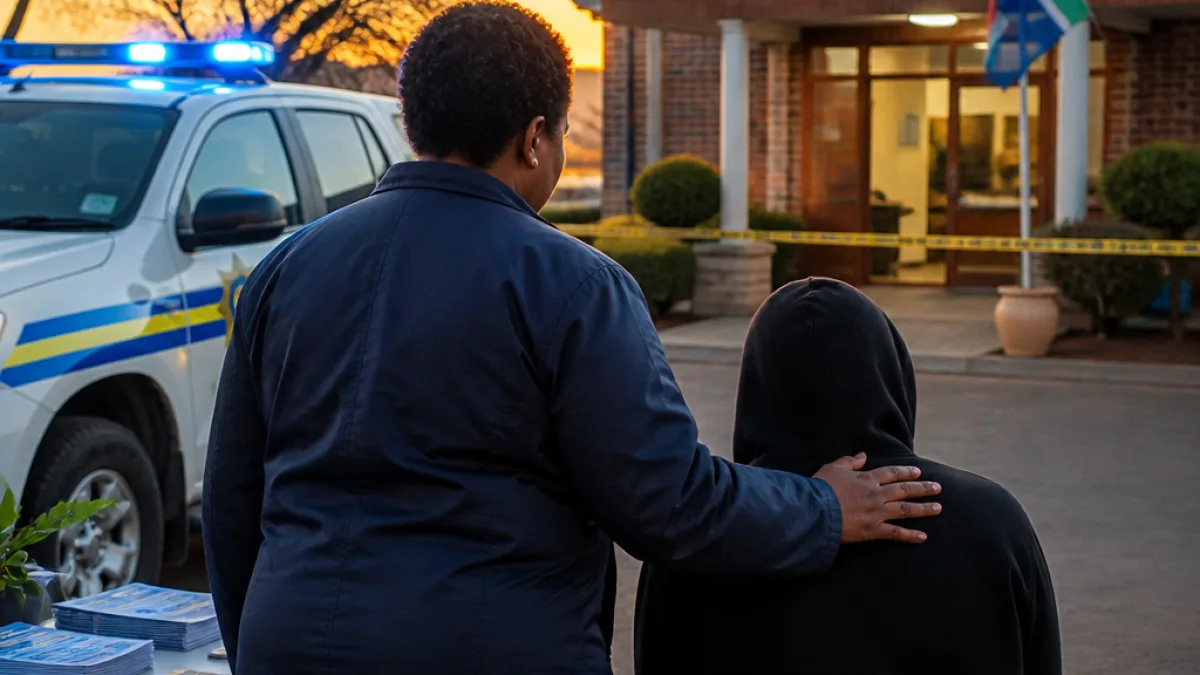
She explained that her attendance is not limited to criminal matters. If an incident is active and officers request trauma or crisis intervention, she may be called to the scene. That can range from road collisions to assaults or sexual offences. When required, she will attend to help victims manage shock, provide comfort, and explain immediate next steps.
“Sometimes my role is to get people out of shock, sometimes I’m just there as a comfort to explain what the next steps are going to be,”
O’Donovan said she frequently provides practical assistance too, such as arranging transport when a victim’s vehicle is no longer drivable. She works 30 hours per week and remains on call for emergencies; she receives roughly 12 to 15 emergency calls a year, often clustered rather than evenly spread.
- Work hours: 30 hours per week
- Emergency calls: about 12–15 per year
- Referral route: primarily from police, but open referrals accepted
| Service element | Detail |
|---|---|
| Employer | Ladysmith Resources Centre (LRCA) |
| Operating base | Ladysmith RCMP detachment |
| Funding | Town and Province (joint) |
O’Donovan described periods of high demand that correspond with traumatic community events. For example, during an intense heat wave that produced multiple sudden deaths, she was called out frequently. She said the rhythms of demand can be unpredictable: several call‑outs in a week might be followed by months of quiet.
Awareness, resourcing and community access
She believes the work is often undervalued because many people do not know the service exists. Although based at the police detachment and frequently summoned on police calls, the service accepts referrals from the wider community as well — it is, in her words, an open referral system.
The single‑provider model means much of the programme’s continuity and institutional knowledge rests with one person. O’Donovan has effectively run the programme alone, making every hour and every rand stretch to ensure victims do not have to navigate the immediate aftermath of trauma on their own.
For local residents this raises two immediate considerations: ensuring people know how to access on‑scene trauma support, and whether the programme’s current resourcing is fit for purpose to meet variable demand. Greater awareness could help victims and their families access support sooner; clearer information for first responders and municipal planners could assist in matching capacity to need.
O’Donovan’s account highlights the often invisible labour behind immediate post‑incident care. As emergency services and social‑support organisations plan for future incidents — from road collisions to domestic assaults and extreme weather events — the role of rapid psychological first aid is part of the broader public safety and health ecosystem.
Residents seeking information about the service are advised to contact the LRCA or the local police detachment to confirm referral pathways and availability.