The KwaZulu‑Natal provincial government says 18 councillors have been assassinated in the province since the 2021 Local Government Elections, underscoring a deepening crisis of political violence that officials warn threatens local democracy and service delivery.
Latest killing in eThekwini prompts calls for calm
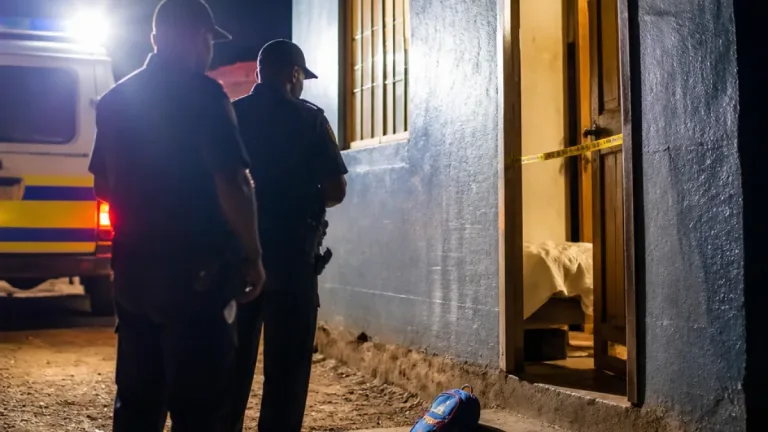
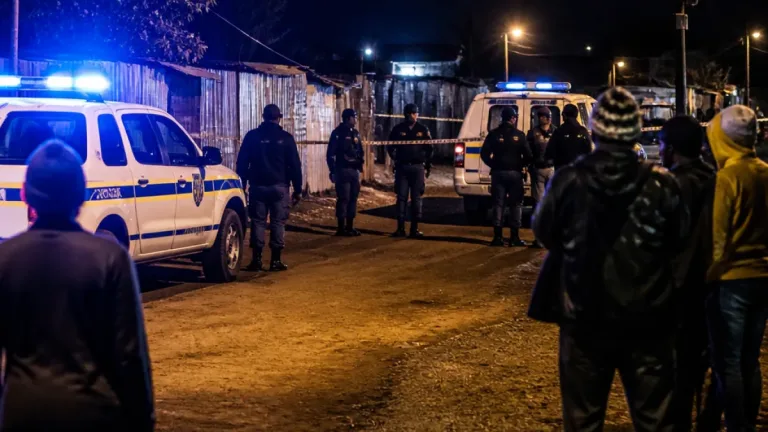
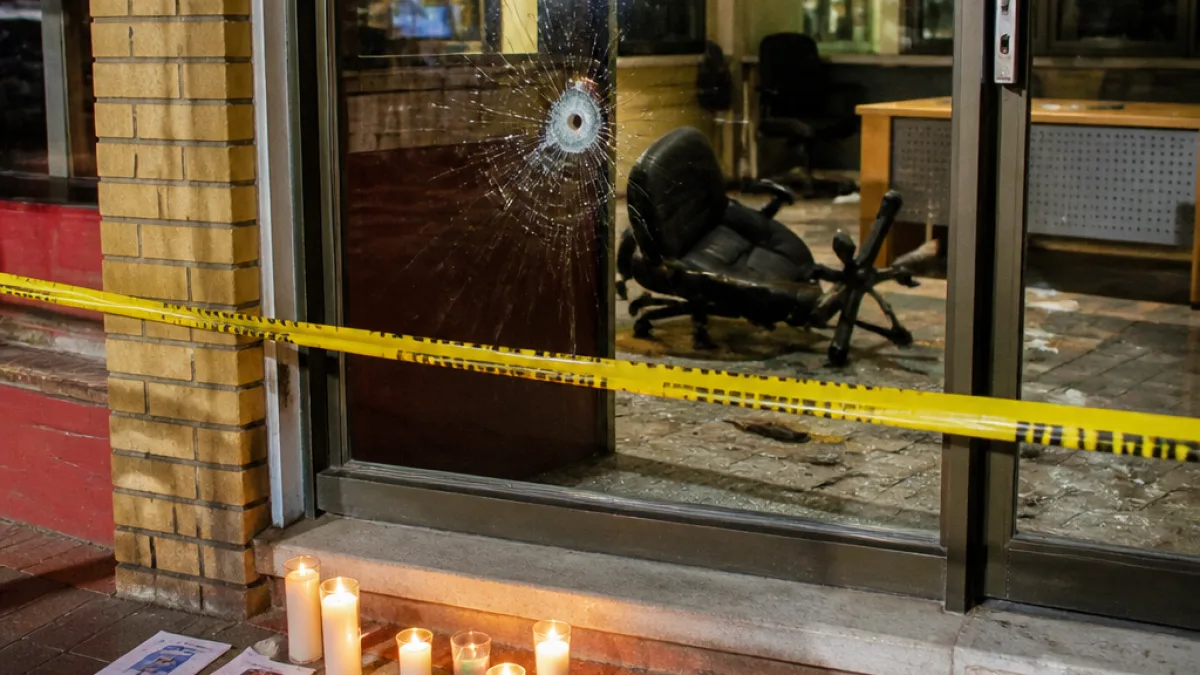
The Premier’s office released the figure following the fatal shooting of eThekwini Municipality councillor Sibusiso Khwela, who was shot at his office in Klaarwater in west Durban. Police said a man walked into Khwela’s office, shot him and fled in a waiting car; detectives are searching for the gunman.
“Political differences must be settled through democratic processes, not violence,”
Premier Thamsanqa Ntuli described the killing as a senseless and deeply disturbing act against a public representative dedicated to serving his community. The Premier’s office said the series of killings demonstrates that political violence is not confined to one part of the province and continues to pose a serious threat to public representatives and the ability of municipalities to serve residents.
Where the assassinations occurred
The Premier’s office provided a breakdown of locations across the province. According to that account, eThekwini has recorded the most assassinations at municipal level, with five councillors killed. The municipalities of uMngeni, Mkhambathini and Newcastle have recorded two assassinations each. One councillor was killed in each of uMsunduzi, uMzumbe, Endumeni, Abaqulusi, Nongoma, uMvoti and uMhlathuze.
| Municipality | Number of assassinations |
|---|---|
| eThekwini | 5 |
| uMngeni | 2 |
| Mkhambathini | 2 |
| Newcastle | 2 |
| uMsunduzi, uMzumbe, Endumeni, Abaqulusi, Nongoma, uMvoti, uMhlathuze | 1 each |
Impact on local governance and communities
The Premier’s office warned that the killing of councillors cannot be treated as ordinary criminal incidents because every such death has consequences for local governance. A councillor is an elected representative who helps communities access services and raise concerns with municipal authorities. Ntuli said political killings not only devastate families and political organisations but also directly harm communities by interrupting representation and service delivery.
Officials urged political actors and residents to maintain political tolerance and to resolve differences through democratic channels ahead of the upcoming local government elections in November. The Premier called for calm and peaceful coexistence across the province.
What authorities say and what remains unanswered
- Police confirmed an active investigation into the killing of Councillor Khwela; a suspect fled in a waiting vehicle.
- The provincial tally of assassinations — 18 since 2021 — was provided by the Premier’s office in response to the latest murder.
- Provincial leaders say they are concerned about the geographic spread and frequency of political killings and the effect on municipal operations.
At the time of the statement, no additional operational details or breakthroughs in the Khwela investigation had been released by police. The Premier emphasised that political competition should never justify violence, intimidation or assassination.
Context and next steps
Political killings of local representatives have been a recurring problem in some parts of the country and pose challenges to governance and safety. In KZN, the concentration and number of assassinations since 2021 have led provincial leaders to call for stronger measures to protect councillors and to bring perpetrators to justice.
The Premier’s office urged communities and political parties to play a role in de‑escalation and peaceful engagement. Meanwhile, investigators continue to hunt for the gunman in the recent eThekwini office shooting. Further details, including any arrests or motive, will be released as police conclude their enquiries.
The province faces the twin challenge of safeguarding elected representatives while ensuring municipalities can continue to function effectively for residents. Officials say addressing that challenge will require coordinated law‑enforcement action, political restraint and community cooperation.