Water restriction to reduce South Coast supply to 13 megalitres per day
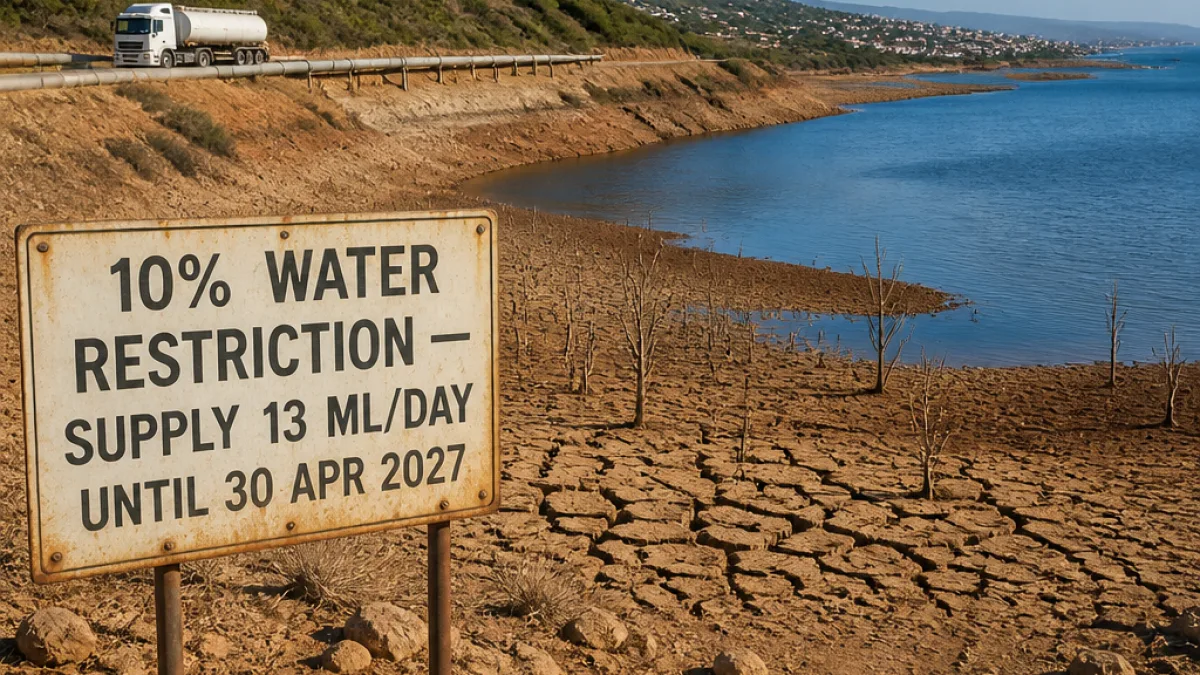
The Department of Water and Sanitation (DWS) has imposed a 10% water restriction on the South Coast water supply system, effective immediately and remaining in place until 30 April 2027. The department said the measure was necessary because current demand is outstripping the long‑term sustainable yield of the system.
DWS said the restriction will lower total daily supply on the South Coast to 13 megalitres per day. The department cited a combination of higher-than-expected demand and weak rainfall as the main drivers of the decision.
“Water demand is currently exceeding the long‑term sustainable yield of the system,” said the department.
When restrictions can be lifted or reduced
The department listed three conditions under which the restriction could be altered:
- successful reinstatement of supply from the Mpambanyoni Scheme;
- South Coast dams reaching full capacity and beginning to spill;
- consistent maintenance of supply from the South Coast pipeline at 4.6 megalitres per day.
DWS also noted the system started the year with dam storage at around 97%, but that storage alone has not been sufficient to meet sustained demand.
uMngeni and North Coast systems not subject to cuts
The department confirmed that the uMngeni system — which supplies the corridor from Pietermaritzburg to Durban and from KwaDukuza to Amanzimtoti — began the year at roughly 99.5% storage and will not face restrictions at this time. The North Coast system, fed by Hazelmere Dam, was also reported to be above full capacity at the start of the year.
Even where restrictions are not being applied, DWS urged residents to continue saving water to keep usage within authorised limits and protect long‑term supply security.
System pressures and long‑term risks
The department warned that all three supply systems remain vulnerable despite healthy dam levels in two. It identified several structural pressures:
- rising water demand across the region;
- climate variability affecting rainfall patterns;
- water losses and ageing infrastructure.
DWS also reminded consumers that unauthorised abstraction is not permitted and that measuring devices for water use are compulsory under Government Notice No. 41381.
Quick reference: storage and supply figures
| System | Start‑of‑year storage | Restriction status |
|---|---|---|
| South Coast | ~97% | 10% restriction — supply 13 ML/day |
| uMngeni | ~99.5% | No restriction |
| North Coast (Hazelmere) | Above full capacity | No restriction |
What this means for households and businesses
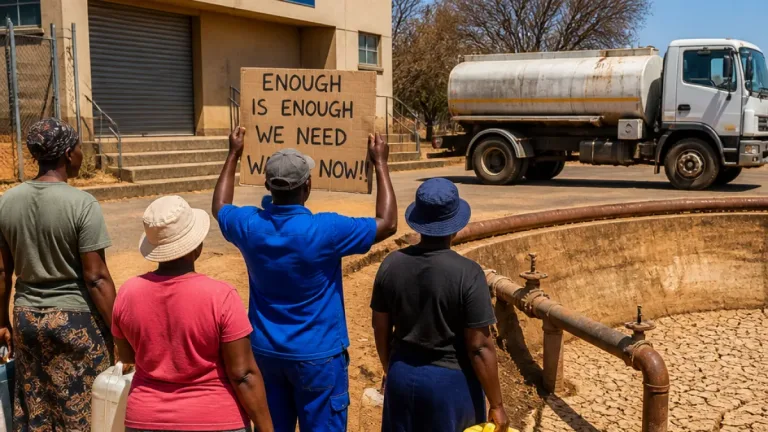
Residents and businesses on the South Coast should expect reduced available supply and plan for modest conservation measures while the restriction is in place. The department did not announce specific municipal-level rationing schedules in its statement, so consumers should follow notices from their local municipality or water services provider for operational details.
Practical actions that conserve water and reduce pressure on the system include limiting non-essential outdoor irrigation, fixing leaks promptly, reducing shower times and avoiding high‑volume uses during peak hours. These are general conservation measures the department says will help return usage to authorised limits and reduce the risk of further restrictions.
Longer-term plans
DWS said it will continue work to strengthen long‑term security across the region, including measures involving the Lower Thukela bulk water supply system intended to bolster the North Coast's resilience. For the South Coast, restoration of supply from schemes such as Mpambanyoni is central to easing the current restriction.
Municipalities and water users on the South Coast should monitor official DWS and local communications for updates about potential lifting or easing of the restriction, and for any local supply schedules that may be issued as part of operational management.
Contact your local municipality or water services provider for precise guidance on how the restriction will be managed in your area and to report leaks or suspected illegal abstraction.