The Constitutional Court has halted offshore oil and gas exploration along the Eastern Cape's Wild Coast, setting aside exploration rights held by Impact Africa and its partner Shell.
Ruling cites lack of meaningful public participation
The judgment ends a legal dispute that began in 2021, after an application to halt imminent seismic blasting by Shell revealed that Impact Africa had been granted an exploration licence in 2014 without adequate community consultation. Impact Africa later transferred a 50% stake to Shell, according to the court record reported by national outlets.
The Supreme Court of Appeal in 2024 found some of the permitting to be unlawful but left open the possibility of a further renewal application. The Constitutional Court's most recent ruling, handed down on Friday, withdrew that pathway and emphasised the constitutional imperative of public participation as integral to protecting human dignity and the environment.
"In setting aside Shell's exploration right, the court ultimately put people over profit and confirmed that those who are complicit in an unlawful process cannot gain an advantage from it," said Melissa Groenink for advocacy group Natural Justice, according to reporting.
The decision will have immediate legal effect on the licences covering parts of the Wild Coast offshore area. It also reaffirms that environmental and developmental decisions impacting coastal communities require thorough, meaningful engagement before rights are granted or renewed.
What the judgment means locally
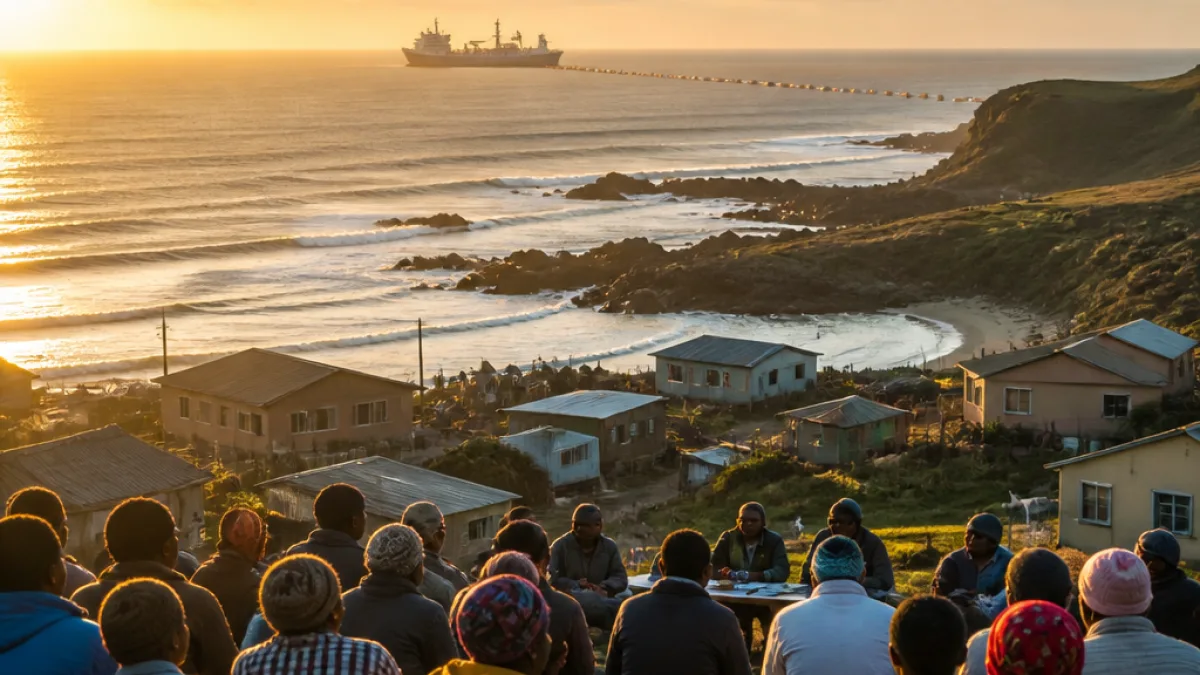
For residents of the Wild Coast — many of whom depend on fisheries, small-scale tourism and coastal grazing — the ruling removes the immediate threat of seismic surveys and potential exploration activities that critics warn can harm marine life and livelihoods. Local civic groups and environmental advocates have campaigned for years against offshore exploration on the Wild Coast, arguing consultation processes were perfunctory and failed to reach affected communities.
Industry players now face legal and procedural barriers before any new exploration can proceed. The court's emphasis on public participation means that any future applications will need to demonstrate substantive consultation with the communities directly affected.
Key dates and developments
| Year | Event |
|---|---|
| 2014 | Impact Africa awarded exploration licence (reported). |
| 2021 | Legal challenge brought to halt seismic blasting; underlying consultation questioned. |
| 2024 | Supreme Court of Appeal found permitting unlawful but allowed for a further renewal application. |
| 2026 | Constitutional Court set aside exploration rights and emphasised need for meaningful public participation. |
Responses and next steps
Natural Justice and other environmental groups welcomed the judgment, saying it reinforces constitutional protections and prioritises community rights over commercial interests. The quoted statement from Melissa Groenink positions the ruling as a corrective to an "unlawful process."
Shell and Impact Africa have not been quoted in the material supplied for this report. If either company or state agencies choose to appeal or to apply afresh for exploration rights, they will need to show that they engaged fully with affected communities and complied with both environmental and administrative law requirements.
What residents should know
- No immediate offshore exploration or seismic blasting authorised under the set-aside rights may proceed in the affected area.
- Community consultation is now a legal precondition for future applications; communities can demand evidence of meaningful engagement.
- Local livelihoods dependent on the sea — fishing and tourism — remain subject to ongoing monitoring and advocacy efforts.
The Constitutional Court's ruling marks an important moment for coastal governance in the Eastern Cape. For communities along the Wild Coast it is a victory in a long-running legal campaign; for industry and government it signals that procedural rigour and community involvement cannot be treated as optional when decisions carry profound social and environmental consequences.
Further reporting will follow as state departments, affected companies and community organisations clarify how they intend to respond to the judgment and whether new consultation processes will be launched in line with the court's requirements.