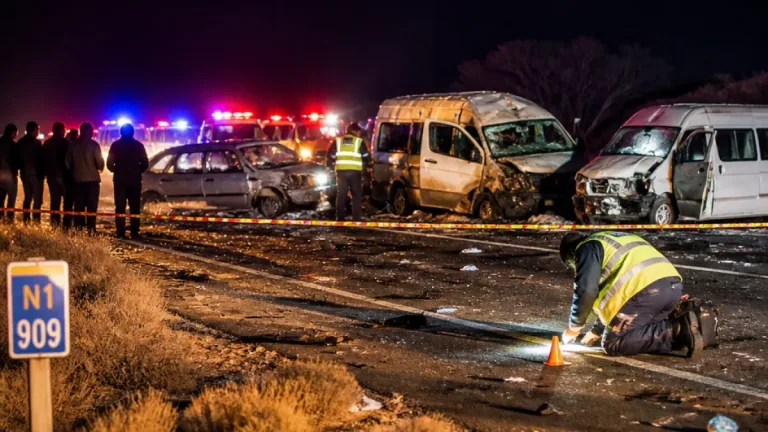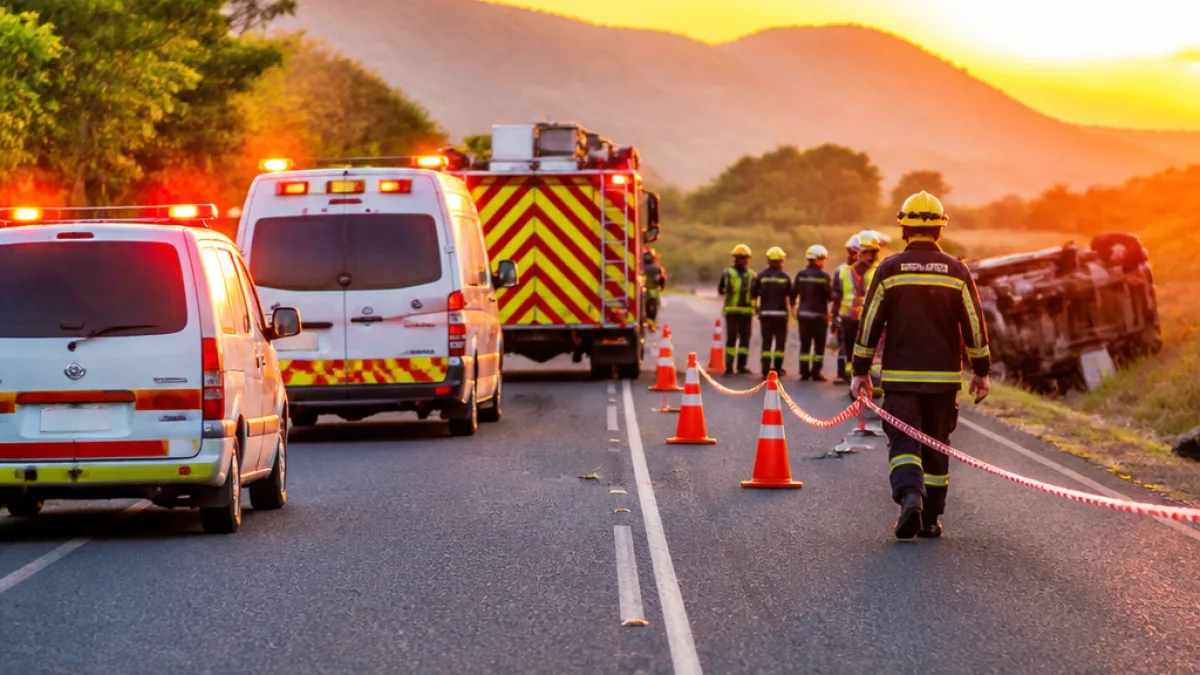
A serious collision has been reported on the road between Mathibela and Moletlane. Emergency services were expected to respond to the scene to attend to those injured, and motorists were urged to approach the area with extreme caution and to allow emergency vehicles access.
What is known so far
The only confirmed details from the initial report are that a horrific accident involving injuries occurred on the Mathibela–Moletlane road and that emergency services are en route or on scene. Authorities have asked motorists travelling in the area to slow down, take alternative routes where possible and ensure emergency vehicles can reach the incident without delay.
Immediate public-safety advice
Until police or emergency management issue a fuller account, drivers and passengers in the vicinity should follow these steps:
- Slow down and keep a safe distance from the collision site to avoid secondary crashes.
- Do not obstruct access — leave space on the left and right of the road for ambulances, fire and rescue appliances.
- Avoid stopping on the road to view the scene; pull well off the carriageway before stopping.
- If you are a trained first aider and it is safe to do so, assist victims without endangering yourself; otherwise wait for emergency personnel.
Local impact and unanswered questions
The sparse details available raise familiar questions for Limpopo motorists and taxpayers: how quickly did ambulances and rescue teams arrive, which facilities are treating the injured and whether the condition of the road played a role. Those are the questions families and ward councillors will ask in the coming hours.
It is routine after serious crashes for residents to press for details about emergency-response times, road maintenance and roadside signage. In this case, the lack of immediate public information emphasises why clear, timely updates from SAPS, health and emergency management structures are important for local communities.
How this ties into broader road-safety concerns
Road incidents on rural links can be particularly dangerous because of distance to definitive care and variable cellular coverage. When reporting is limited to "injuries" and a promise that services are "expected" to respond, it highlights persistent problems: stretched emergency medical services, long transfer times to hospitals, and delayed clearance of scenes that adds risk for secondary collisions.
Those structural problems prompt the recurring question: how are provincial and municipal budgets being used to improve response capacity and road safety on busy rural routes? Residents will want to see whether revenue and spending priorities match the risk on roads such as the Mathibela–Moletlane link.
Practical information for readers
If you are travelling in the area:
- Plan extra time and consider alternative routes where possible.
- Keep a charged phone and emergency numbers at hand; if you must call for help, supply clear location details (kilometre markers, nearby junctions or landmarks).
- Follow instructions from official responders on site and do not interfere with rescue operations.
Accountability: asking about the money
Beyond immediate care, the pressing local question remains fiscal: how much is being budgeted and spent on emergency ambulances, trained personnel and trauma-transfer arrangements that serve rural communities? The basic finance of road safety — from maintenance of road shoulders and signage to equipping local clinics to stabilise trauma patients — determines whether a collision becomes a fatality statistic or a survivable event.
Residents and their representatives should expect clear answers from the provincial health department and the municipality about response times, how ambulances are funded and where resources are being directed. Those figures matter long after the crash leaves the headlines.
What we will follow up
We will monitor updates from SAPS, provincial emergency services and health authorities for confirmed numbers of injured people, any arrests if criminality is involved, the cause of the collision and whether road conditions were a contributing factor. We will also seek clarity from the relevant government departments on response times and resource levels in the area.
| Known fact | Pending confirmation |
|---|---|
| Accident occurred between Mathibela and Moletlane | Exact number and condition of injured |
| Emergency services expected to attend | Time of arrival and receiving facility |
Note: This report will be updated as official statements and scene reports are released by emergency services and SAPS.