Polokwane High Court hands down life terms after tavern killing in Lebowakgomo policing area
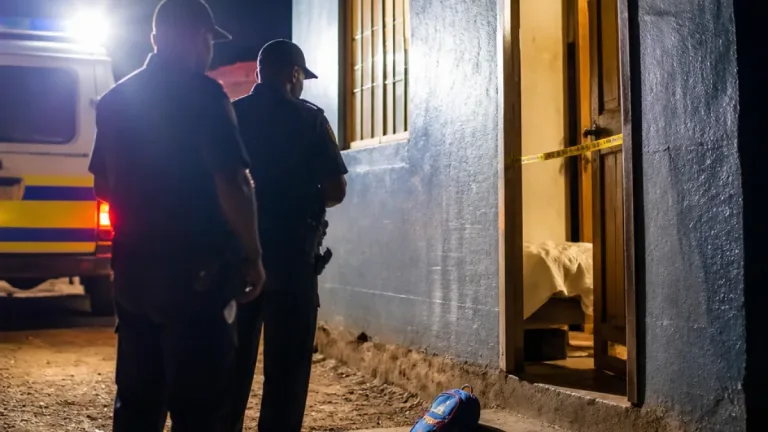
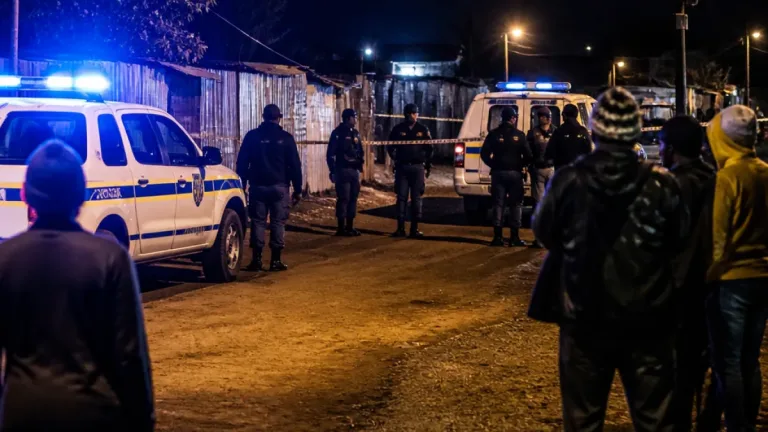
The Polokwane High Court has imposed life imprisonment sentences on four men convicted of the fatal shooting of 50-year-old Matome Molema at a tavern in Mamaolo Village on 7 July 2024, court records and police reports show. The incident and the subsequent arrests took place under the Lebowakgomo policing area.
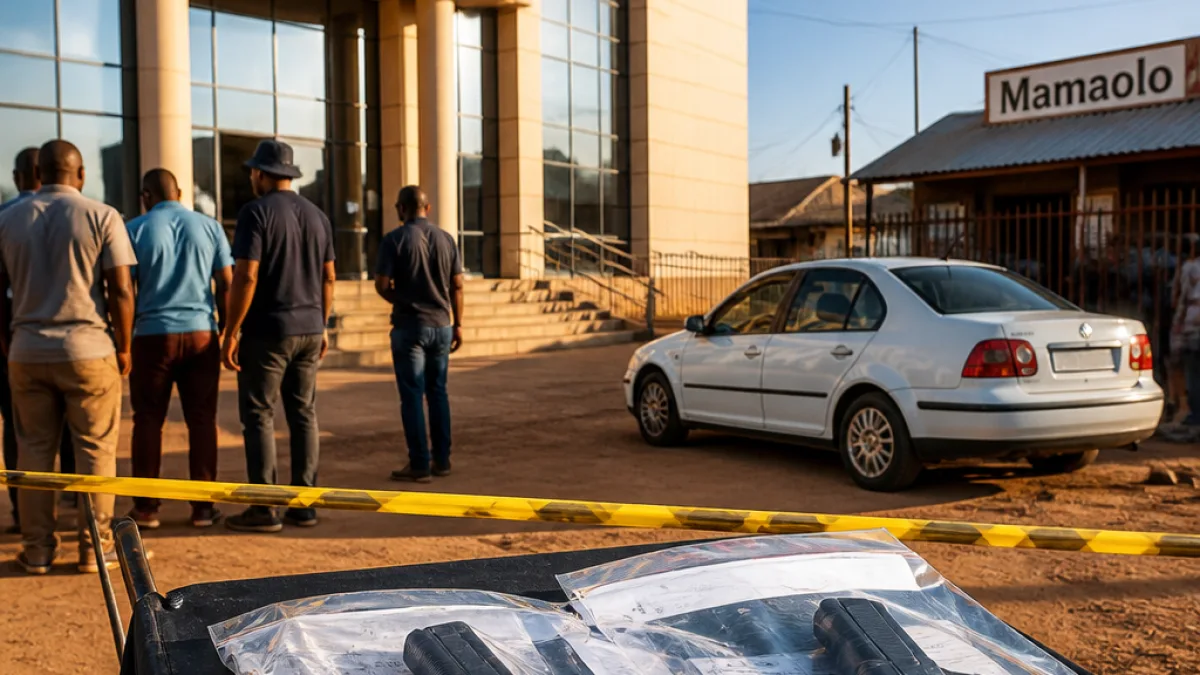
According to a provincial police statement, the men — identified in court papers as Bongani Nkuna (34), Bright Ncube (23), Brian Ncube (23) and Tumelo Maloma (32) — were armed with two pistols when they attacked and shot the victim inside the tavern. They fled the scene in a white Volkswagen Jetta, the statement said.
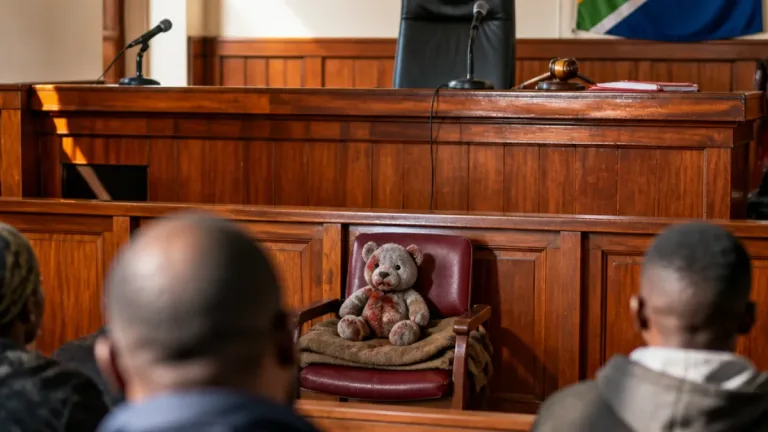
"The court sentenced Bongani Nkuna, Bright Ncube, Brian Ncube and Tumelo Maloma to life imprisonment for murder," a police account reported.
Local policing sources reported that an off-duty member attached to the Provincial Flying Squad, who lives near the tavern, heard gunshots and went to investigate. The member then booked onto duty and pursued the getaway vehicle while requesting backup. Another off-duty officer joined the pursuit and members of the Mookgophong Farm Watch provided support, leading to the arrest of all four suspects and recovery of two unlicensed firearms.
- Charges read in the high court included murder, possession of unlicensed firearms, possession of ammunition and contravention of the Immigration Act.
- Investigations were transferred to the Provincial Investigation Unit and assigned to warrant officer Mokhepo Gafane.
- Two of the convicted men — Bright and Brian Ncube — were recorded as Zimbabwean nationals and faced additional immigration contravention charges.
A summary of the sentences imposed, as recorded in court documents, is shown below.
| Offence | Sentence |
|---|---|
| Murder | Life imprisonment |
| Each count of possession of an unlicensed firearm | 15 years imprisonment per count |
| Possession of ammunition | 3 years imprisonment |
| Contravention of the Immigration Act | 2 years imprisonment |
The provincial commissioner, Lieutenant-General Jan Scheepers, welcomed the convictions and sentences, according to the police account. The matter originated as separate police dockets for murder and for possession of unlicensed firearms and ammunition; these were later consolidated and prosecuted at the high court after bail applications were opposed by the investigating officer.
For residents of Lebowakgomo and surrounding villages, the case highlights several operational and governance questions that persist beyond the courtroom. The coordinated arrest involved off-duty police members and a community farm-watch structure. That raises policy and resource issues for the provincial department and for local policing authorities: who pays for sustained overtime when off-duty members intervene, what protocols govern off-duty pursuits, and how are community watch structures trained and supported to assist without taking undue risk?
There is also the matter of unlicensed firearms recovered in this case. The seizure removed two pistols from circulation, but the broader pattern of illegal firearms in rural areas remains a concern for the community. Residents, civic leaders and local councillors frequently ask what additional resources will be directed to the Lebowakgomo policing area to reduce violent crime, improve visible policing and tackle the supply chains that place guns in the hands of perpetrators.
Investigations were led by warrant officer Mokhepo Gafane, who opposed bail applications and facilitated the matter's transfer to the high court. The convictions close this particular docket, but they do not answer longer-term questions about community safety budgets, the capacity of rural stations and the cost of sustained investigative work — elements that determine whether similar arrests and convictions will be possible in future cases.
The court outcome does provide a measure of legal closure in the Molema family’s case and demonstrates co-ordination between off-duty members, community structures and investigative units. Whether that operational success translates into a sustained reduction in shootings in the Lebowakgomo policing area will depend on decisions about resourcing, supervision and firearms control at provincial and local levels.