Ezemvelo KZN Wildlife brought together field rangers from protected areas across the province on 31 July for its annual World Ranger Day celebration, recognising those who protect KwaZulu-Natal’s biodiversity and announcing commitments to improve their working conditions.
Rangers recognised for service and camaraderie
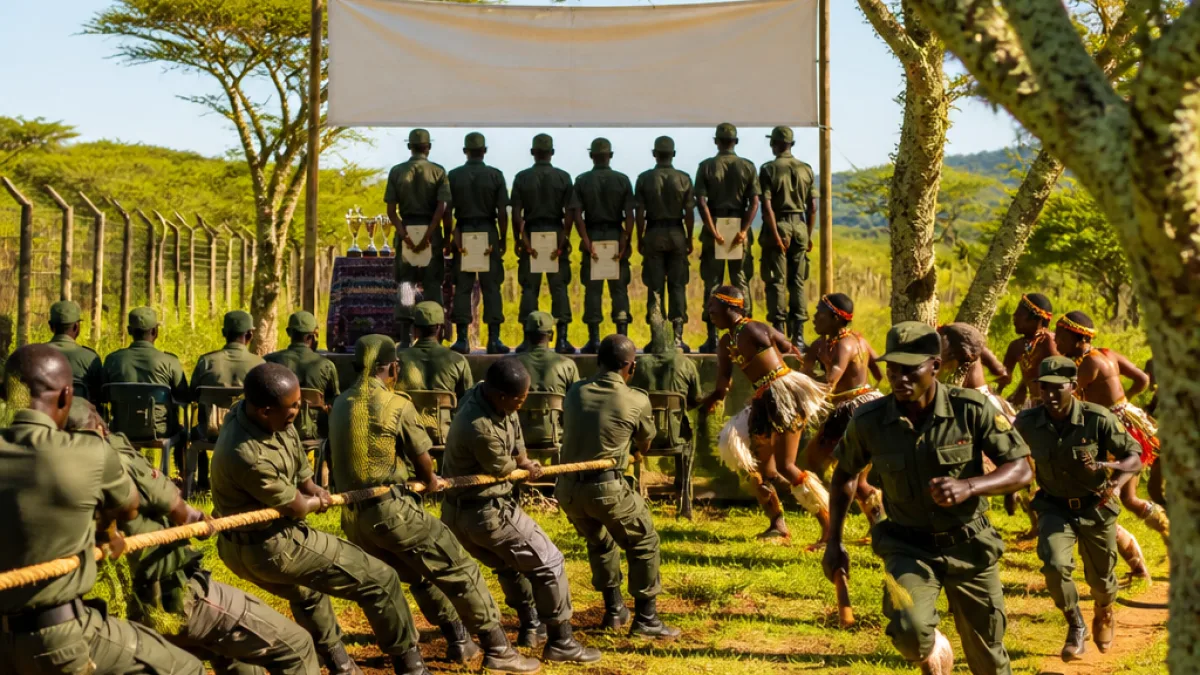
The event combined formal recognition with sporting and cultural activities. Field rangers took part in a 3km race, tug‑of‑war, relay races, a rangers’ drill and traditional dance routines. Certificates and trophies were presented to those singled out for dedication and excellence.
The celebration was attended by Ezemvelo’s newly elected board chairperson, Alfred Mpontshane, CEO Sihle Mkhize, and members of management. The occasion coincided with World Ranger Day, which is observed internationally to remember rangers who have been killed or injured in the line of duty and to acknowledge those who continue to protect natural areas.
“We are trying all means to make the working conditions of our field rangers conducive and to provide them with all the necessary tools of the trade. Our field rangers do not only look after our fauna and flora, but also assist in improving our relationship with local communities, as their presence makes communities feel protected,” said Mkhize.
Commitments on equipment, staffing and amenities
At the event Ezemvelo’s general manager for Conservation, Biodiversity & Operations, Vuyiswa Radebe, acknowledged concerns raised by rangers and reiterated management’s intention to respond to specific needs. According to Radebe, those needs include addressing vacant posts, providing uniforms and creating on‑reserve facilities to support rangers’ fitness and wellness.
“We’ve heard our field rangers’ concerns about the necessities they need to fulfil their work. We see the hard work they are doing and their commitment, and we will make sure that what they’ve asked for is delivered, such as gyms at the reserves, filling vacant posts, uniforms and more,” said Radebe.
Management said it would work to ensure the list of needs is addressed ahead of next year’s Ranger Day.
Why rangers matter in KwaZulu‑Natal
Field rangers are front‑line staff for protected areas; they enforce conservation law, protect wildlife and habitat from poaching and illegal activities, and play a role in building relations with communities that live beside reserves. Their presence can reduce illegal resource use and provide a visible link between land management authorities and local people.
Recognition events such as this serve both to honour personal sacrifice and to highlight the operational challenges rangers face. Issues commonly raised at ranger gatherings nationally include understaffing, limited equipment, the need for training, and physical and mental health support. Ezemvelo’s public pledge to attend to specific requirements reflects those broader concerns.
Activities and awards at the World Ranger Day event
- 3km race — fitness and endurance test for field rangers
- Tug‑of‑war and relay — team building and camaraderie
- Rangers’ drill — professional skills display
- Traditional dance — cultural recognition and community ties
- Certificates and trophies — formal recognition of service
| Activity | Purpose |
|---|---|
| 3km race | Fitness; morale |
| Tug‑of‑war & relay | Teamwork; esprit de corps |
| Rangers’ drill | Professional demonstration |
| Traditional dance | Community engagement; culture |
What this means for communities and conservation
Stronger, better equipped ranger teams can improve law enforcement in protected areas and increase community confidence in reserve management. Promises to fill vacant posts and provide basic amenities such as uniforms and fitness facilities are intended to retain staff and improve operational readiness.
Improving working conditions also has a safety dimension: rangers who are fit, properly equipped and supported are less exposed to risk when confronting poachers or responding to emergencies. Ezemvelo’s public commitment to deliver against the list of needs sets an operational target that communities and stakeholders will likely scrutinise in the months ahead.
The annual observance of World Ranger Day in KwaZulu‑Natal thus served both as a ceremony of thanks and as a platform for management to publicly acknowledge gaps in resourcing and to promise corrective action.