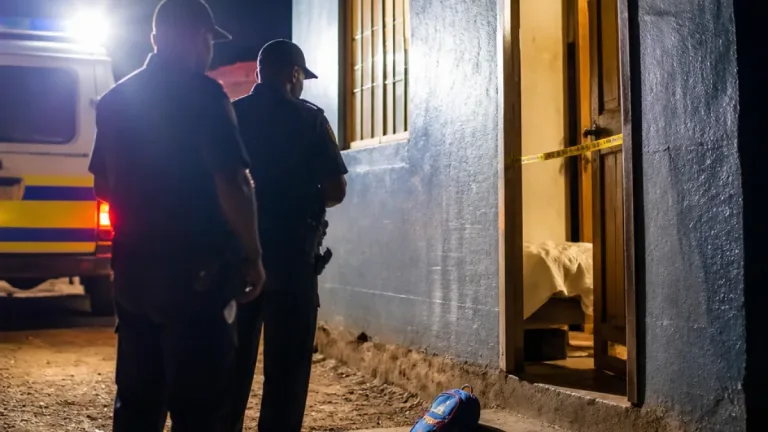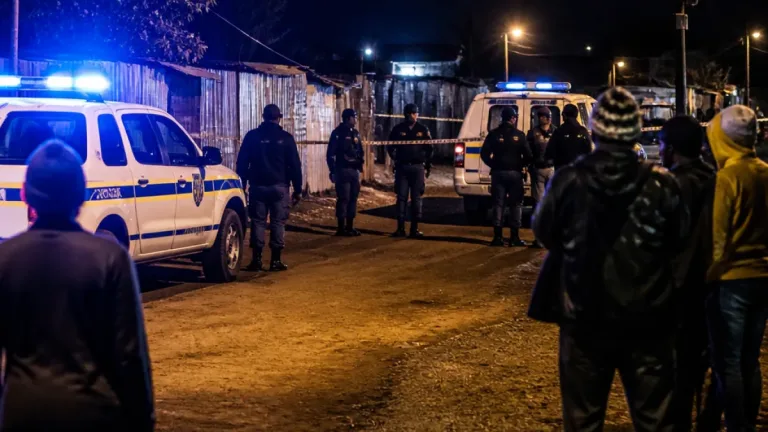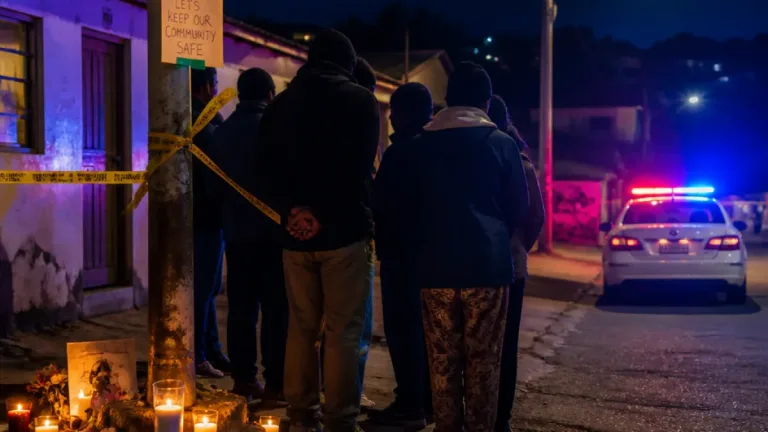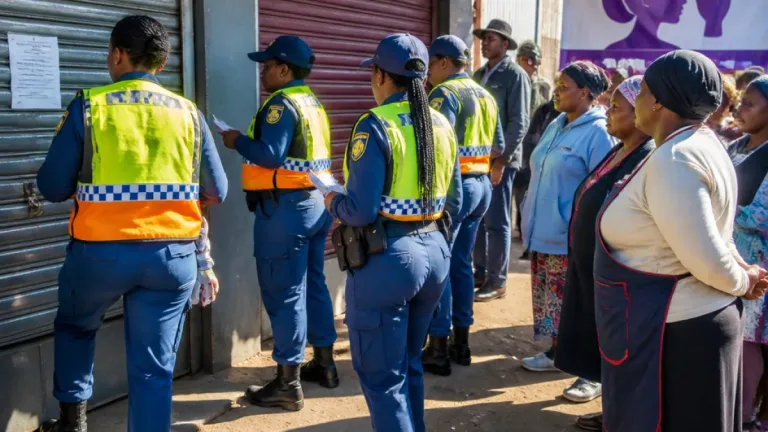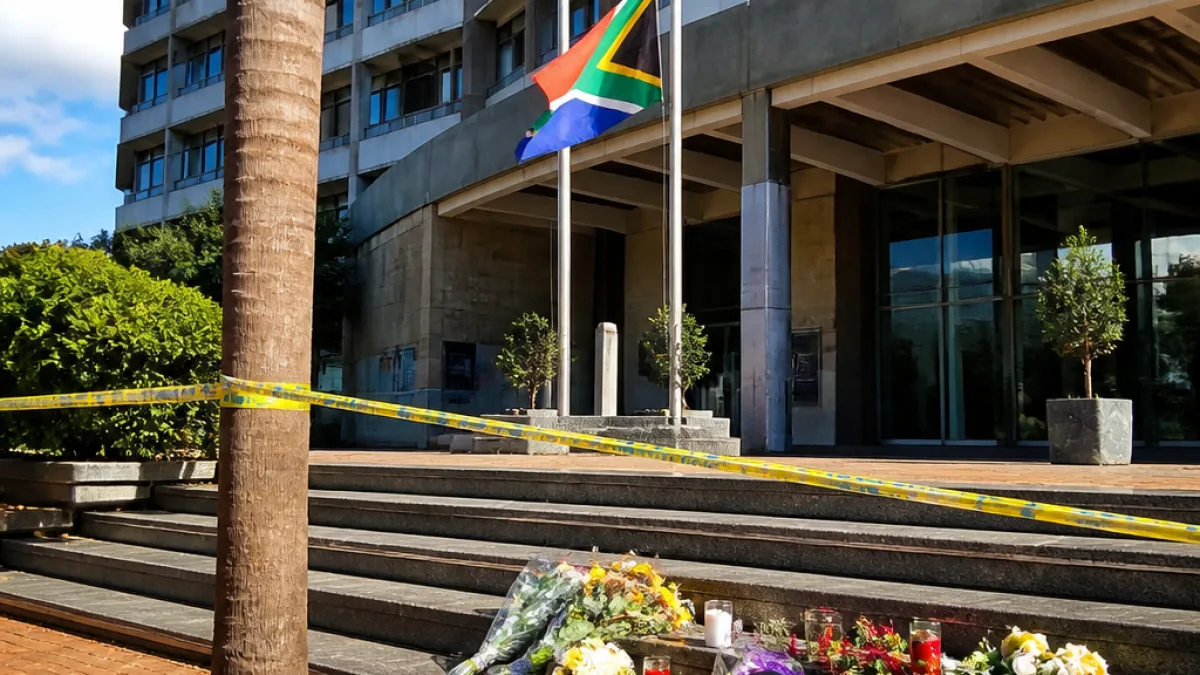
KwaZulu‑Natal Premier Thamsanqa Ntuli has disclosed that at least 18 councillors in the province have been assassinated since the 2021 local government elections, a revelation that highlights growing concerns about political violence and the security of elected representatives in the province.
Details and immediate context
Ntuli revealed the figure as he condemned the recent murder of an eThekwini Municipality councillor. The premier did not provide a breakdown of the killings by municipality, political party or motive in the comments reported. The period covered by the figure begins with the 2021 local government elections and runs to the present.
The disclosure comes amid national and provincial anxieties about attacks on councillors and other public officials. While the premier’s statement gives a concrete number for KwaZulu‑Natal, it does not replace formal police statistics or detailed investigative findings released by law‑enforcement bodies.
Local impact and wider implications
Assassinations of councillors affect more than the immediate victims and their families. They undermine local governance, disrupt service delivery and can deter community members from participating in local democracy. Councillors are frontline officials responsible for ward concerns, oversight and municipal delivery; violence against them has direct consequences for residents’ access to basic services.
- Public safety: Violence against councillors contributes to a climate of fear among local officials and communities.
- Service delivery: Targeted killings can interrupt municipal functions and ward representation.
- Democratic participation: Threats and attacks may discourage people from standing for office or engaging in civic processes.
What is known — and what is not
The premier’s statement confirms the scale of the problem in KwaZulu‑Natal but leaves several questions unanswered. Reported facts are limited to the total number of assassinated councillors and the timeframe since the 2021 elections. The report did not include:
- which municipalities were affected;
- the political affiliation of victims;
- whether suspects have been arrested or prosecuted in each case;
- any patterns of motive, such as linkages to service delivery disputes, land conflicts, organised crime or internal political rivalry.
Official responses and next steps
In situations of political violence, the usual public‑safety response includes police investigations, specialised units attending to high‑risk cases, and intergovernmental coordination to protect at‑risk officials. The premier’s disclosure is likely to prompt calls for updated statistics from the South African Police Service and for clarity about investigative progress in each case.
Community safety and liaison structures at municipal and provincial level may be expected to review councillor security protocols and offer support to affected families and wards. However, the premier’s remarks as reported do not specify planned measures or timelines.
Data snapshot
| Province | Timeframe | Number of councillors assassinated |
|---|---|---|
| Kwazulu‑Natal | Since 2021 local government elections | 18 |
The table summarises the figure released by the premier. For detailed investigative outcomes and case‑by‑case status updates, SAPS case records and official statements from the premier’s office or the provincial Community Safety Department are the authoritative sources.
How residents and councillors can respond
While provincial and national authorities manage investigations and protective interventions, the following measures are commonly recommended in contexts of elevated risk:
- Councillors and municipal officials should engage with local police stations and the provincial community safety office to ensure personal security assessments are completed.
- Communities can raise concerns about threats to local representatives with ward committees and councillors’ offices so threats are recorded and referred to appropriate authorities.
- Civic organisations and political parties may consider independent monitoring and advocacy to press for transparent investigations and protective measures.
Ntuli’s revelation brings renewed attention to the dangers facing local representatives in KwaZulu‑Natal. For residents seeking further information on specific cases, official police statements and provincial government releases remain the primary sources for verified updates.
Reporting from KwaZulu‑Natal.