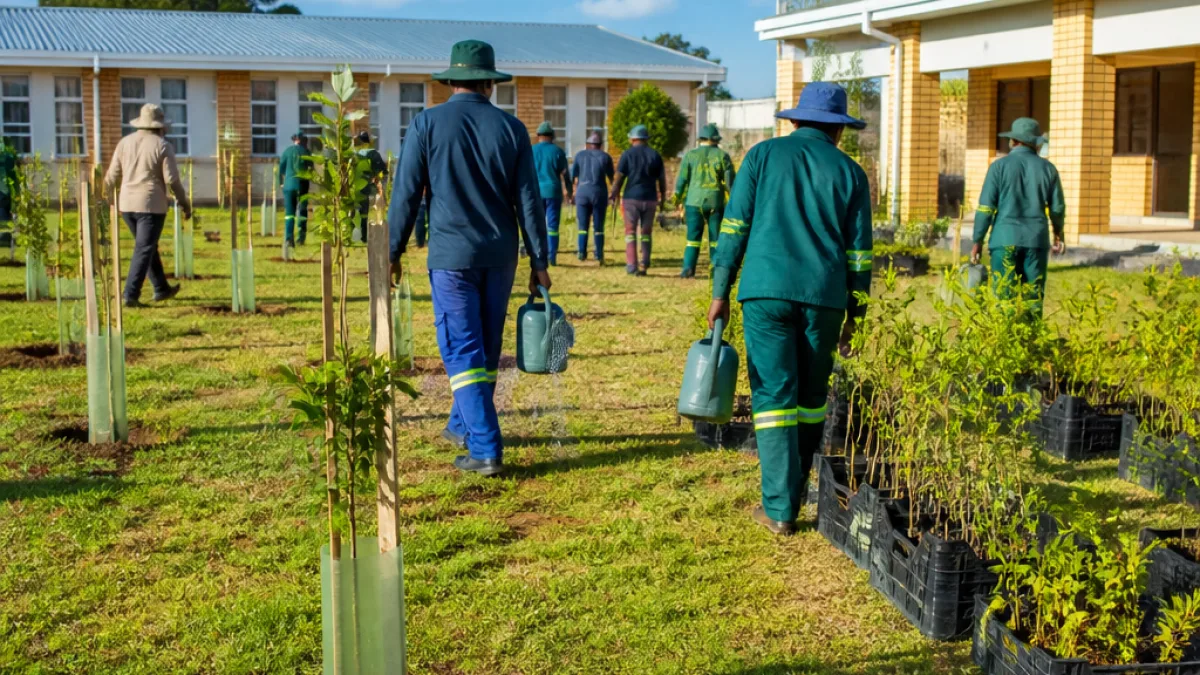
The Free State department of agriculture and rural development and environment says the province has planted more than 326,000 trees to date under the presidential One Billion Trees programme, and is targeting one million trees over the next five years through a network of partnerships.
Where trees are being planted and why
Departmental spokesperson Nozi Nkwe said the trees have been planted at public facilities and community spaces, including schools, clinics, hospitals and cemeteries. The drive forms part of a national push that reached a milestone this year, with authorities reporting more than seven million trees planted across the country since the start of the 2026/27 financial year in April.
“The programme aims to support environmental protection and healthier communities, while fruit trees can also contribute to food security and poverty alleviation,” Nozi Nkwe said.
The provincial programme prioritises indigenous species that are suited to the Free State’s climatic conditions. Nkwe highlighted species such as the karee and white karee, describing them as evergreen trees that are generally more resilient to local weather patterns.
Practical measures to ensure survival
Officials say several measures are in place to improve the survival rates of newly planted trees. These include environmental-awareness campaigns, capacity-building sessions for beneficiaries, and a commitment system in which recipients sign maintenance forms acknowledging their responsibility for aftercare.
- Selection of indigenous, drought- and fire-resistant species
- Planting at public institutions and community sites to maximise access and benefit
- Maintenance agreements signed by beneficiaries to encourage aftercare
- Partnerships with government departments, municipalities, schools and civil-society groups
Nkwe said the target of planting one million trees will be met through collaboration with other government departments, municipalities, schools and communities. The department emphasised the role of partnerships in both scaling up planting and securing the long-term maintenance of trees.
Environmental and social benefits
Tree-planting is promoted by officials as delivering multiple benefits: improving air quality, absorbing carbon emissions, reducing soil erosion and providing shade. Fruit-bearing trees were singled out for their potential to support household food security and offer small-scale income opportunities for vulnerable families.
With climate change already affecting rainfall patterns and increasing the risk of droughts in parts of the Free State, the department framed tree-planting as a local adaptation measure with co-benefits for biodiversity and community well-being.
Numbers at a glance
| Metric | Figure |
|---|---|
| Trees planted in Free State (to date) | 326,000+ |
| Provincial target (five years) | 1,000,000 |
| National trees planted since April 2026 | 7,000,000+ |
Officials noted a preference for species that require less watering and are, where possible, fire-resistant. The emphasis on indigenous species aims to reduce mortality and avoid introducing plants that might not thrive in local soils or climate.
What this means for communities
For schools and clinics, trees provide shade for learners and patients, improve the local environment and can be incorporated into school gardens and environmental education programmes. Fruit trees offer direct nutritional value and, over time, may provide modest income opportunities for households that tend them.
However, long-term benefits depend on aftercare. The department’s strategy hinges on community ownership and clear maintenance responsibilities: planting is only the first step, Nkwe warned, and survival rates will reflect how well beneficiaries uphold their commitments.
The Free State programme is part of a larger national effort to increase tree cover and help communities adapt to climate change while pursuing social goals such as food security and poverty alleviation.
Further details on planting schedules, beneficiary training and how organisations can partner with the department were not provided in the statement accompanying the provincial figures.