Widespread outages concentrated in the Eastern Cape
Nearly 400 public schools around South Africa experienced prolonged or complete interruptions to their electricity supply between 1 April 2024 and 31 March 2026, and the Eastern Cape accounted for the vast majority of those cases. According to a written parliamentary reply from Basic Education Minister Siviwe Gwarube, 397 schools were reported as affected during the two-year period, of which 324 were in the Eastern Cape.
The national figures were provided in response to a question from EFF MP Laetitia Arries and are based on information submitted by provincial education departments. Reported causes include damaged infrastructure, transformer failures, vandalism, electricity supply disruptions and billing disputes.
"The figure refers to specific schools reported by Provincial Education Departments as having been affected during the reporting period, and not to separate outage incidents," Gwarube said, cautioning that the number should not automatically be interpreted as the number of schools that remained without power.
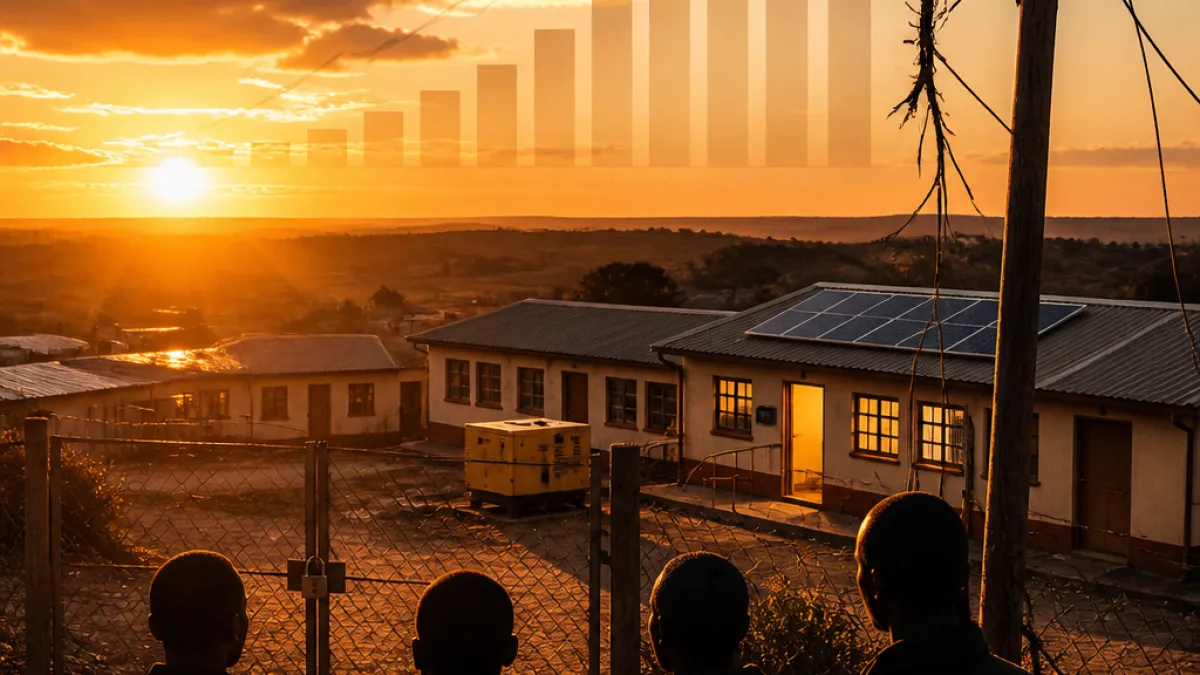
Nevertheless, education authorities and school communities in the Eastern Cape are confronting a concentrated and persistent problem. The department and provincial officials have cited several short- and medium-term responses, including solar installations, temporary generators and infrastructure repairs, but the scale of the challenge in the province remains clear from the statistics.
What the numbers show
The breakdown of affected schools demonstrates how concentrated the problem is in the Eastern Cape:
| Province | Number of affected schools |
|---|---|
| Eastern Cape | 324 |
| Gauteng | 19 |
| Free State | 13 |
| Mpumalanga | 13 |
| KwaZulu-Natal | 12 |
| Limpopo | 5 |
| Northern Cape | 5 |
| Western Cape | 5 |
| North West | 1 |
Causes and responses
Provincial education departments reported multiple causes for outages. The Basic Education Department listed:
- damaged infrastructure;
- transformer failures;
- vandalism;
- electricity supply disruptions; and
- billing disputes.
Interventions mentioned by the national department mirror what education officials and school governing bodies have pursued on the ground: installing solar systems where feasible, deploying portable generators, repairing or replacing damaged equipment, and engaging with municipalities and Eskom over supply and billing issues. The department emphasised that the nature and duration of interruptions varied between schools and provinces.
Local impact and longer-term concerns
While the parliamentary reply does not list individual school names, the concentration of reports in the Eastern Cape suggests a serious strain on learners, educators and school administration. Prolonged power outages affect basic services such as lighting, administration systems, refrigeration for feeding schemes and equipment for practical subjects. They also hinder after-school programmes and the ability to prepare learners for assessments, particularly in schools that lack alternative power sources.
Vandalism and transformer failures point to both infrastructure deterioration and security concerns. Recurrent outages can increase costs for schools and provinces when temporary measures — such as diesel generators — are used, and they also raise questions about maintenance, replacement planning and co-ordination with municipal and national electricity stakeholders.
What parents and schools can do
Schools and parents seeking immediate relief should:
- ensure the school governing body escalates persistent supply issues with the district education office and the municipality;
- request written timelines for repairs or permanent solutions from provincial officials;
- explore community-based solutions such as pooled funds for basic solar kits where feasible; and
- ask provincial education departments for clarity on support for feeding schemes and examinations affected by outages.
The Basic Education Department's figures underline the uneven distribution of electricity problems affecting schools nationwide, with the Eastern Cape bearing the heaviest burden in the latest reporting period. Provincial, municipal and national bodies will need to show coordinated, resourced plans to reduce disruptions and protect learning environments as the province seeks to recover lost teaching time and stabilise school operations.
— Eastern Cape correspondent